

Understanding Macaw Parrot Eggs: A Comprehensive Guide
Macaw parrots are known for their vibrant colors, intelligence, and social nature, making them one of the most beloved pet birds. If you're a macaw owner or enthusiast, you might be curious about their reproductive habits, particularly regarding their eggs. This blog post delves into the fascinating aspects of macaw parrot eggs, including their characteristics, incubation, and care.
Characteristics of Macaw Parrot Eggs
Macaw eggs are typically white and oval-shaped, measuring about 1.5 to 2 inches in length. The size and shape can vary slightly depending on the species of macaw. Female macaws usually lay between two to four eggs per clutch, although some may lay more or fewer based on their health and environmental conditions.
Nesting Habits
Macaws are cavity-nesting birds, often choosing tree hollows or similar environments to lay their eggs. In captivity, providing a safe and comfortable nesting box is crucial for breeding macaws. The nesting box should be spacious, made of safe materials, and equipped with appropriate bedding, such as wood shavings or shredded paper, to help keep the eggs warm and secure.
Incubation Period
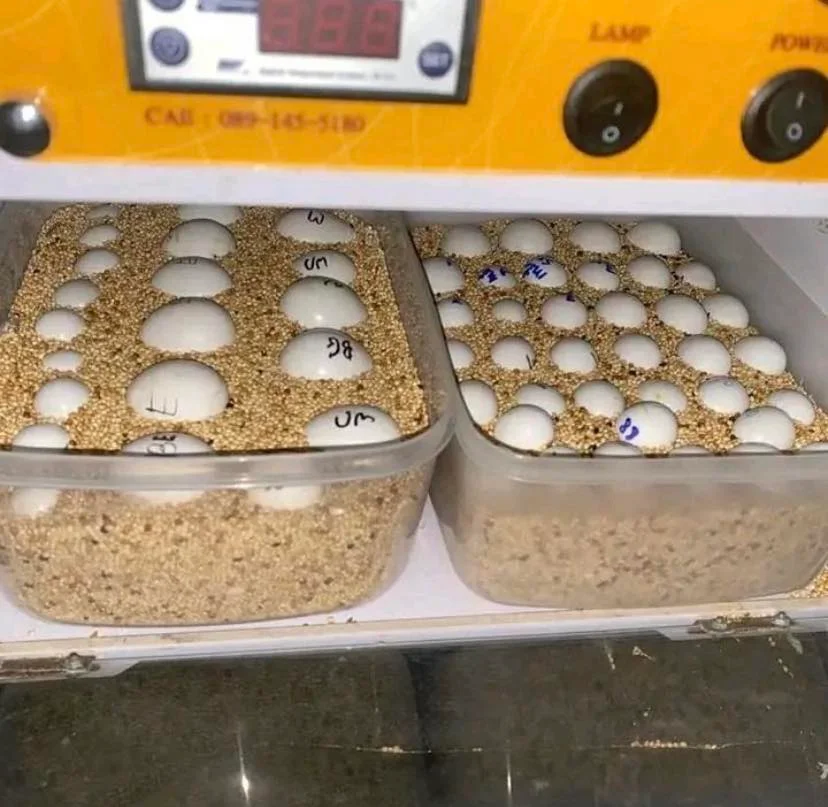
The incubation period for macaw eggs typically lasts around 24 to 28 days. During this time, the female will take on the primary responsibility of incubating the eggs, while the male may assist by providing food and protection. It’s essential for the eggs to maintain a consistent temperature and humidity level during incubation to ensure the embryos develop properly.
Caring for Macaw Eggs
If you’re breeding macaws, it’s vital to monitor the nesting environment closely. Here are some tips for ensuring the well-being of the eggs:
- Temperature and Humidity: Maintain a stable temperature (around 85°F to 90°F) and humidity levels (about 50-60%) within the nesting box. A thermometer and hygrometer can help you keep track of these conditions.
- Minimal Disturbance: Limit disturbances around the nesting area to reduce stress on the mother. This means avoiding excessive handling and noise.
- Nutrition: Ensure that the breeding pair has a well-balanced diet rich in nutrients. Fresh fruits, vegetables, seeds, and high-quality pellets are essential for the health of both the parents and the developing eggs.
Hatching and Aftercare
Once the eggs hatch, which usually occurs within a day or two of each other, the chicks will be altricial, meaning they are born blind and helpless. It’s crucial for the parents to provide warmth and nutrition. They will regurgitate food to feed their young, which is essential for the chicks' growth. During the first few weeks of life, the chicks will require constant care. As they grow, they will start to develop feathers and become more independent. It's important to provide a safe environment as they begin to explore their surroundings.
Conclusion
Understanding macaw parrot eggs and their incubation process is essential for any bird enthusiast or breeder. By creating a safe nesting environment, ensuring proper nutrition, and minimizing disturbances, you can support the healthy development of macaw chicks. With the right care and attention, these vibrant birds can flourish, adding joy and companionship to your life.