
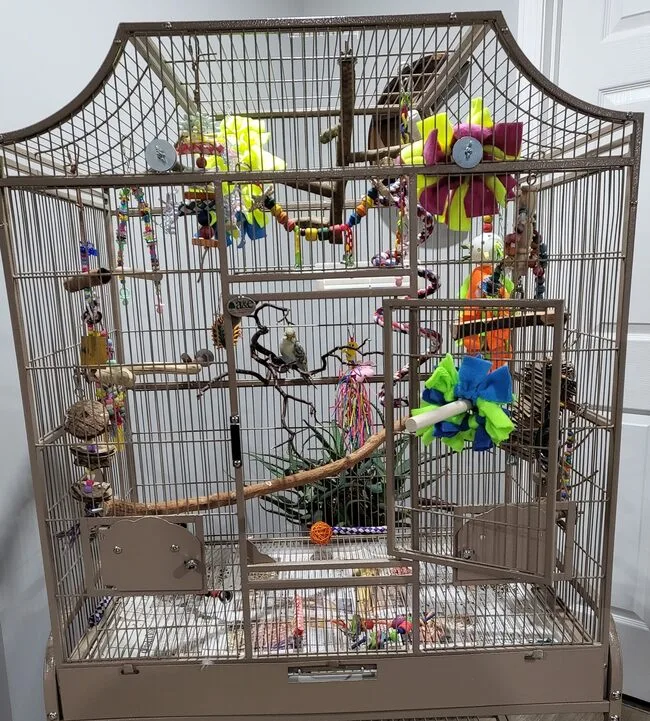

Preparing Your Home for a Baby Parrot
Preparing your home for a baby parrot is one of the most important steps you can take before bringing a young bird home. Baby parrots are curious, fragile, and emotionally impressionable. The environment they enter during their first weeks shapes their confidence, trust, behavior, and long-term wellbeing. A poorly prepared home can create fear, stress, or accidents, while a thoughtfully prepared space encourages calm adjustment and healthy bonding.
This guide explains exactly how to prepare your home for a baby parrot, covering safety, setup, routines, and emotional readiness so your baby parrot can settle in smoothly and securely.
Why Preparing Your Home for a Baby Parrot Matters
Baby parrots are not miniature adults. They are still learning:
- How to move safely
- How to self-regulate emotions
- What environments are predictable
- Which humans are safe
Preparing your home for a baby parrot helps to:
- Reduce fear and stress
- Prevent accidents and injuries
- Encourage healthy bonding
- Support emotional development
- Establish positive routines early
These principles are consistently emphasized in ethical Parrot Care Guides, because environment is the foundation of good behavior.
Preparing Your Home for a Baby Parrot Before Arrival
Set Up Everything in Advance
Your home should be fully prepared before the baby parrot arrives. Making changes after arrival can increase stress and confusion.
Preparation should include:
- Cage setup
- Feeding area readiness
- Safe room selection
- Removal of hazards
A calm, ready environment allows the baby parrot to focus on adjustment rather than survival.
Choose a Quiet, Stable Area
When preparing your home for a baby parrot, select a location that is:
- Calm but not isolated
- Free from constant traffic
- Away from kitchens and fumes
- Protected from drafts and direct sun
Baby parrots feel safest when they can observe household activity without being overwhelmed.
Cage Setup When Preparing Your Home for a Baby Parrot
Selecting the Right Cage
A baby parrot cage should prioritize safety over size initially.
Key cage features include:
- Bar spacing appropriate for the species
- Easy access for gentle handling
- Secure locks
- Space for movement without risk
As the parrot grows, cage size can be increased gradually.
Interior Cage Arrangement
When preparing your home for a baby parrot, keep the cage simple.
Inside the cage:
- Use low, stable perches
- Avoid overcrowding with toys
- Include soft, easy-to-grip surfaces
Too many objects can overwhelm a young bird and increase the risk of falls.
Baby-Proofing Your Home for a Baby Parrot
Removing Common Household Hazards
Baby parrots explore with curiosity and their beaks. Preparing your home for a baby parrot means removing dangers such as:
- Electrical cords
- Toxic plants
- Open water sources
- Small swallowable objects
- Candles, incense, and aerosols
Baby-proofing is preventative, not reactive.
Controlling Other Pets and Noise
Other pets should never have unsupervised access to a baby parrot. Even calm animals can trigger fear.
Noise control is also essential. Sudden loud sounds can frighten baby parrots and disrupt early bonding.
Preparing Your Home for a Baby Parrot’s Feeding Needs
Dedicated Feeding Area
Feeding should happen in a consistent, calm space. This predictability builds trust and reduces anxiety.
Preparing your home for a baby parrot includes having:
- Clean feeding tools
- A stable surface
- Proper lighting
- Easy access for hygiene
Feeding routines play a major role in early bonding, as explained in Baby Parrot Feeding Guide resources.
Hygiene and Cleanliness
Baby parrots have developing immune systems.
Maintain:
- Clean cages
- Sterilized feeding tools
- Regular surface cleaning
Cleanliness directly supports health and emotional comfort.
Preparing Your Home for Emotional Security
Predictable Daily Rhythm
Routine helps baby parrots feel safe.
A predictable schedule includes:
- Consistent wake-up time
- Regular feeding intervals
- Quiet rest periods
- Gentle interaction windows
These patterns align closely with principles in Setting a Daily Parrot Routine.
Limiting Early Visitors
While it may be tempting to introduce everyone immediately, early overstimulation can cause stress.
In the first weeks:
- Limit handling to primary caregivers
- Keep interactions calm and short
- Allow the baby parrot to observe more than participate
Social confidence develops gradually.
Lighting, Sleep, and Rest Areas
Creating a Safe Sleep Environment
Baby parrots need more rest than adults.
Preparing your home for a baby parrot means ensuring:
- 10–12 hours of uninterrupted sleep
- Dim, quiet evenings
- No late-night handling
Poor sleep often leads to irritability and fear responses.
Natural Light Balance
Access to natural daylight supports healthy development, but avoid direct sun exposure that could overheat a young bird.
Preparing Your Home for Gentle Interaction
Safe Handling Spaces
Designate one or two safe areas for interaction:
- Low seating
- Soft surfaces
- Controlled surroundings
This reduces the risk of falls and helps the baby parrot associate handling with safety.
Respecting Choice and Boundaries
Preparing your home for a baby parrot also means preparing yourself.
Allow the baby parrot to:
- Approach you voluntarily
- Retreat when unsure
- Explore at its own pace
This approach supports trust-building and aligns with methods discussed in How to Build Trust With Parrots.
Social Environment and Family Readiness
Consistency Among Family Members
Everyone in the household should follow the same rules:
- Handling limits
- Feeding routines
- Noise control
Mixed signals confuse baby parrots and slow adjustment.
Teaching Children Appropriate Interaction
Children should be taught:
- Slow movements
- Quiet voices
- Respect for boundaries
Supervision is essential during all interactions.
Preparing for Growth and Development
Baby parrots change rapidly.
Preparing your home for a baby parrot includes planning for:
- Larger cages
- Increased enrichment
- Gradual independence
- Social exposure
A flexible environment supports healthy development without sudden disruption.
Common Mistakes When Preparing Your Home for a Baby Parrot
- Overcrowding the cage
- Introducing too many people at once
- Allowing free roaming too early
- Ignoring sleep needs
- Reacting emotionally to normal baby behavior
Avoiding these mistakes helps the baby parrot feel secure and confident.
Long-Term Benefits of Proper Home Preparation
When preparing your home for a baby parrot is done correctly, baby parrots are more likely to:
- Bond calmly with caregivers
- Develop emotional resilience
- Show fewer fear-based behaviors
- Adapt easily to change
- Grow into confident adults
Ethical breeders and families offering Exotic Birds for Sale increasingly emphasize home preparation education to ensure lifelong success.
External Welfare Insight
Avian welfare research consistently shows that early environmental stability is one of the strongest predictors of healthy adult behavior. Educational sources such as avian behavior research publications highlight safe housing, predictable routines, and calm handling as critical during early development.
Preparing your home for a baby parrot is therefore an investment in the bird’s entire life.