
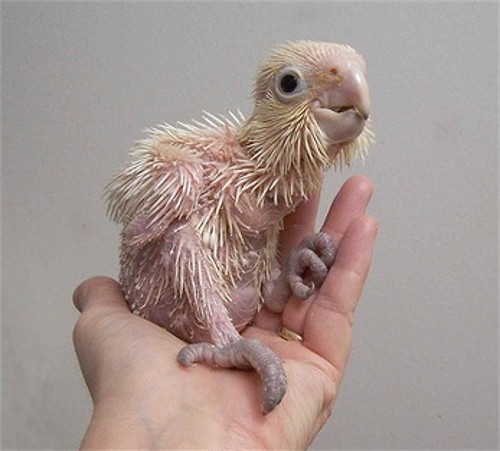

Understanding Young Cockatoo Development
Understanding young cockatoo development is essential for anyone raising, adopting, or caring for juvenile cockatoos. Cockatoos develop more slowly and more emotionally than many other parrots. Their early months and years shape not only physical growth but also confidence, social stability, and long-term behavior. When young cockatoo development is misunderstood, problems such as screaming, fear, over-bonding, and self-destructive behaviors often appear later. When it is understood and supported correctly, young cockatoos grow into emotionally balanced, resilient adults.
This guide explains young cockatoo development stage by stage, including emotional growth, behavioral changes, social learning, and how caregivers can support healthy development without creating dependency.
Why Understanding Young Cockatoo Development Matters
Cockatoos are among the most emotionally complex parrots. Their brains continue developing long after fledging, and their social learning period is extended.
Understanding young cockatoo development helps to:
- Prevent future behavioral disorders
- Reduce anxiety and fear responses
- Avoid over-bonding and emotional dependence
- Support confidence and independence
- Build healthy lifelong relationships
These principles are consistently emphasized in advanced Parrot Care Guides, especially for cockatoo species with intense emotional needs.
The Unique Nature of Young Cockatoo Development
Unlike faster-maturing parrots, cockatoos:
- Develop emotionally over several years
- Require longer social learning periods
- Are highly sensitive to early experiences
- Form deep attachments quickly
This means early mistakes—such as forcing affection or inconsistent routines—can have long-term consequences.
Early Life Stages in Young Cockatoo Development
Hatchling to Nestling Stage (0–6 Weeks)
At this stage, development focuses on:
- Physical growth
- Temperature regulation
- Feeding response
- Basic sensory awareness
Handling should be minimal, calm, and purposeful. Feeding quality during this phase directly affects neurological and emotional development, which is why proper care aligns closely with guidance in Baby Parrot Feeding Guide resources.
Fledgling Stage (6–12 Weeks)
During fledging, young cockatoos:
- Begin coordinated movement
- Explore wings and balance
- Show curiosity without confidence
This is a sensitive stage. Encouraging exploration while maintaining safety builds trust and confidence simultaneously.
Juvenile Stage: The Foundation of Cockatoo Personality
Emotional Learning Accelerates
The juvenile phase is where young cockatoo development becomes most influential.
Juvenile cockatoos learn:
- How to regulate emotion
- How to respond to stress
- What social behavior is acceptable
- How independence feels
Calm guidance during this stage prevents future emotional instability.
Curiosity Without Boundaries
Young cockatoos are curious but lack impulse control. They explore with:
- Beaks
- Feet
- Vocal experimentation
This behavior is not misbehavior—it is learning.
Understanding Young Cockatoo Development Through Behavior Changes
Testing Boundaries
As confidence grows, young cockatoos test responses.
This may include:
- Mild nipping
- Vocal experimentation
- Refusal behaviors
Responding calmly and consistently teaches boundaries without fear.
Increased Vocalization
Vocal growth is normal during young cockatoo development. However, emotional reinforcement of screaming can create long-term habits.
Understanding motivation behind sound is closely related to principles discussed in Understanding Parrot Vocal Behavior.
Social Development in Young Cockatoos
Learning Social Rules
Young cockatoos learn social behavior by observing responses.
They learn:
- What gets attention
- What ends interaction
- What feels safe
Clear, predictable reactions support healthy social learning.
Risk of Over-Bonding
One of the most critical aspects of understanding young cockatoo development is recognizing the risk of over-bonding.
Over-bonding occurs when:
- One person meets all emotional needs
- Independence is discouraged
- Separation is avoided
This often leads to anxiety and aggression later. Managing this risk connects directly to insights in Understanding Cockatoo Affection Signals.
Emotional Development and Regulation
Cockatoos Feel First, Think Later
Young cockatoos experience emotion intensely before learning regulation.
They may:
- Become overwhelmed easily
- React strongly to small changes
- Struggle with transitions
Emotional regulation develops through routine, not correction.
Routine Builds Emotional Safety
Predictable daily patterns help young cockatoos understand the world.
A structured routine:
- Reduces anxiety
- Improves sleep
- Prevents attention-seeking behavior
These benefits align strongly with Setting a Daily Parrot Routine education.
Body Language Awareness During Development
Young cockatoos communicate discomfort long before aggression.
Key signals include:
- Crest tension
- Feather tightening
- Freezing or leaning away
Learning to read these signs early prevents fear-based behavior and relates closely to Understanding Parrot Body Language.
Training and Young Cockatoo Development
Training Is Emotional Education
Training during development should focus on:
- Confidence building
- Choice-based interaction
- Predictable outcomes
Reward-based methods described in Positive Reinforcement Training for Parrots are essential for cockatoos.
Avoid Overtraining
Young cockatoos fatigue emotionally faster than many parrots.
Training should be:
- Short
- Calm
- Ended before frustration
Success is measured in trust, not speed.
Environmental Needs During Young Cockatoo Development
Space and Exploration
Young cockatoos need:
- Safe climbing areas
- Supervised exploration
- Varied but calm environments
Overstimulating spaces can increase anxiety.
Enrichment Without Overload
Toys should encourage gentle problem-solving, not constant excitement.
Balanced enrichment supports cognitive growth without emotional overwhelm.
Social Exposure and Household Dynamics
Multi-Person Interaction Is Healthy
Young cockatoos should interact calmly with multiple people to prevent fixation.
Shared caregiving:
- Reduces emotional pressure
- Encourages adaptability
- Prevents jealousy
These principles are closely tied to Understanding Parrot Social Dynamics.
Children and Young Cockatoos
Children must be taught:
- Slow movements
- Respect for boundaries
- Calm voices
Supervised interaction protects both bird and child.
Developmental Challenges to Expect
Fear Periods
Young cockatoos may suddenly become wary of familiar objects or situations.
This is normal. Avoid forcing interaction during fear phases.
Hormonal Transitions (Later Juvenile Stage)
As hormones begin to shift:
- Emotional intensity increases
- Boundaries become more important
- Routine becomes critical
Early structure prevents later chaos.
Common Mistakes That Disrupt Young Cockatoo Development
- Encouraging constant physical affection
- Responding emotionally to screaming
- Inconsistent rules
- Overhandling
- Preventing independence
These mistakes unintentionally teach insecurity.
Long-Term Outcomes of Healthy Young Cockatoo Development
Cockatoos raised with proper developmental support are more likely to:
- Self-regulate emotionally
- Communicate clearly
- Form healthy bonds
- Avoid chronic behavioral issues
Ethical breeders and families offering Exotic Birds for Sale increasingly emphasize early development education to ensure lifelong success.
External Development Insight
Avian developmental research consistently identifies early emotional regulation as the strongest predictor of adult cockatoo behavior. Educational sources such as avian behavior research publications highlight routine, social balance, and choice-based interaction as essential during juvenile stages.
Understanding young cockatoo development is therefore a long-term investment in emotional health.