
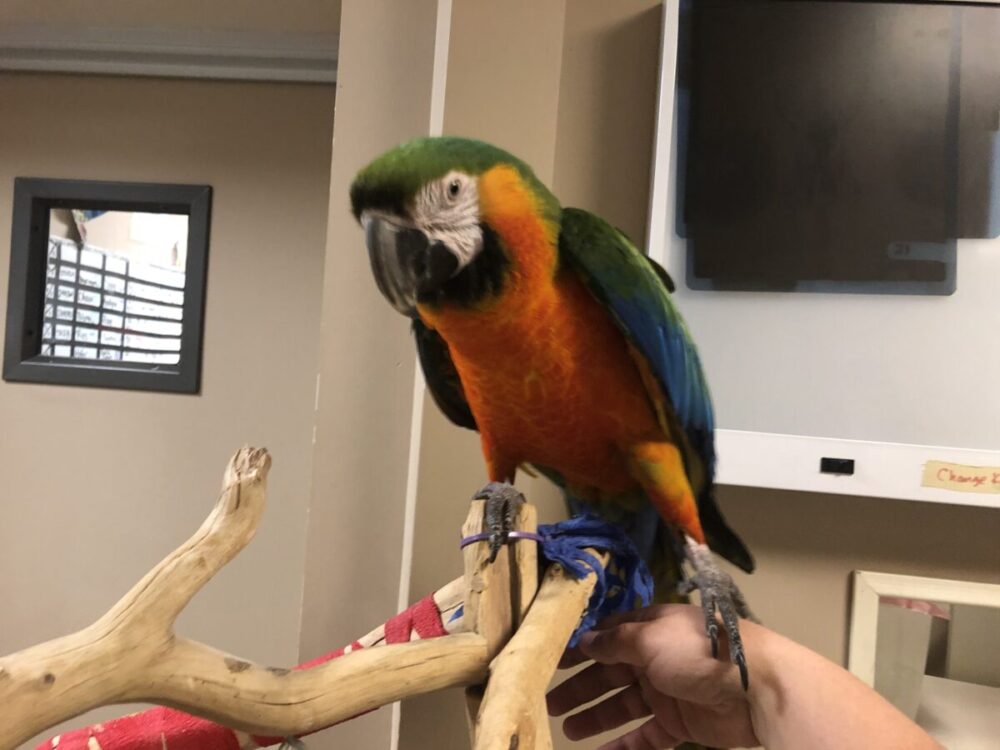

Is a Juvenile Parrot Right for Your Home?
Is a juvenile parrot right for your home? This is one of the most important questions prospective parrot owners should ask before making a decision. Juvenile parrots are curious, intelligent, emotionally sensitive, and still learning how the world works. While they can be incredibly rewarding companions, they also require patience, structure, and long-term commitment. A juvenile parrot is not a short-term project—it is a developing individual whose experiences now will shape behavior for decades.
This guide helps you decide whether a juvenile parrot is right for your home by examining lifestyle fit, emotional demands, developmental challenges, and the responsibilities involved in raising a young parrot successfully.
Why Asking “Is a Juvenile Parrot Right for Your Home?” Matters
Juvenile parrots sit between babyhood and adulthood. At this stage, they are no longer fragile chicks, yet they are far from emotionally mature. Because of this, many parrots surrendered to rescues were acquired during the juvenile phase by well-meaning owners who underestimated the commitment.
Understanding whether a juvenile parrot is right for your home helps to:
- Prevent future rehoming
- Avoid behavioral frustration
- Support healthy emotional development
- Build realistic expectations
- Ensure long-term welfare
These considerations are consistently highlighted in ethical Parrot Care Guides.
What Defines a Juvenile Parrot?
A juvenile parrot is typically:
- Fully weaned
- Actively exploring independence
- Emotionally immature
- Highly curious and impressionable
Although timelines vary by species, juveniles are still learning boundaries, communication, and emotional regulation. This developmental phase is explored in detail in Juvenile Parrot Development Stages.
Is a Juvenile Parrot Right for Your Home Lifestyle?
Time Commitment
Juvenile parrots require daily, consistent interaction. While they do not need constant attention, they do need:
- Predictable routines
- Calm supervision
- Regular social exposure
- Ongoing guidance
Homes with extremely unpredictable schedules may struggle to meet these needs.
Noise Tolerance
Juvenile parrots experiment with sound. Therefore, vocal testing—including volume and repetition—is normal.
If your home:
- Has strict noise restrictions
- Includes noise-sensitive neighbors
- Requires prolonged silence
…a juvenile parrot may not be the right fit.
Understanding sound behavior connects closely to Understanding Parrot Vocal Behavior.
Space and Environment Considerations
Safe Exploration Areas
Juvenile parrots need room to explore safely.
An ideal home provides:
- Supervised out-of-cage time
- Safe climbing and play areas
- Calm, predictable environments
Crowded or chaotic spaces often increase anxiety and behavioral issues.
Routine and Stability
Juvenile parrots thrive on predictability.
A stable daily rhythm:
- Reduces stress
- Supports emotional learning
- Prevents attention-seeking behaviors
This structure aligns strongly with principles in Setting a Daily Parrot Routine.
Emotional Readiness: A Critical Factor
Juvenile Parrots Are Emotionally Intense
Although young, juvenile parrots feel emotions strongly and lack mature regulation.
As a result, they may:
- Become easily overstimulated
- React intensely to change
- Test boundaries frequently
Patience and calm consistency are essential. Emotional reactions from humans often escalate issues rather than resolve them.
Risk of Over-Bonding
One overlooked question when asking is a juvenile parrot right for your home is whether the household can avoid emotional over-dependence.
Over-bonding occurs when:
- One person becomes the sole emotional outlet
- Independence is discouraged
- Separation is avoided
Managing this risk connects directly to Understanding Parrot Social Dynamics.
Is a Juvenile Parrot Right for First-Time Owners?
Advantages for First-Time Owners
Juvenile parrots offer:
- Opportunity to guide development
- Flexibility in social learning
- Early trust-building
When handled correctly, juveniles can adapt well to thoughtful first-time owners.
Challenges for Beginners
However, juvenile parrots also:
- Require consistent boundaries
- Demand emotional regulation from humans
- Test patience through normal development
First-time owners must be willing to learn continuously and adjust expectations.
Training Expectations With Juvenile Parrots
Training Is Ongoing, Not Optional
Juvenile parrots are still learning how to interact safely.
Effective training at this stage:
- Builds confidence
- Encourages cooperation
- Supports emotional regulation
Reward-based methods outlined in Positive Reinforcement Training for Parrots are especially important during juvenile development.
Progress Is Not Linear
Some days will feel like setbacks. Regression during stress or routine changes is normal.
Consistency matters more than speed.
Social Dynamics and Household Members
Multi-Person Homes
Juvenile parrots benefit from calm interaction with multiple people.
Shared caregiving:
- Reduces fixation
- Builds adaptability
- Encourages social balance
This dynamic supports long-term emotional health.
Children and Juvenile Parrots
Children must be supervised and taught:
- Slow movements
- Quiet voices
- Respect for boundaries
Without guidance, juvenile parrots may become fearful or defensive.
Long-Term Commitment: The Question Most People Skip
Lifespan Reality
Many parrots live 30–70 years or more.
Choosing a juvenile parrot means committing to:
- Decades of care
- Evolving needs
- Lifestyle adjustments over time
Ask yourself whether your future plans realistically include a parrot.
Development Does Not Stop After Juvenile Stage
Juvenile parrots will later enter adolescence and hormonal phases. Early structure determines how smoothly these transitions occur.
Poor juvenile management often leads to adult behavioral issues.
When a Juvenile Parrot May NOT Be Right for Your Home
A juvenile parrot may not be the best fit if:
- Time is extremely limited
- Noise tolerance is low
- Emotional patience is lacking
- Space is insufficient
- Long-term commitment is uncertain
In these cases, alternative options—such as adopting a stable adult—may be more appropriate.
Signs Your Home Is Suitable for a Juvenile Parrot
Your home may be a good fit if you can offer:
- Predictable routines
- Calm, consistent interaction
- Willingness to learn parrot behavior
- Emotional patience
- Long-term stability
Homes that meet these criteria often raise confident, well-adjusted parrots.
Ethical Considerations When Choosing a Juvenile Parrot
Responsible ownership prioritizes welfare over impulse.
Ethical breeders and families offering Exotic Birds for Sale increasingly ensure buyers understand juvenile development before placement. This reduces surrender rates and improves lifelong outcomes.
External Welfare Insight
Avian welfare research consistently shows that parrots placed in prepared, stable homes during juvenile stages have significantly better behavioral outcomes. Educational sources such as avian behavior research publications highlight routine, social balance, and emotional consistency as the strongest predictors of success.
Asking is a juvenile parrot right for your home is therefore an ethical responsibility, not hesitation.