
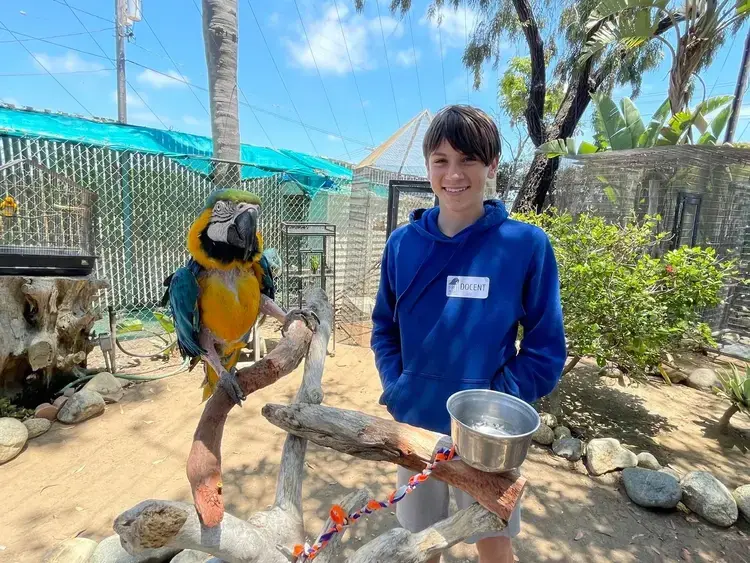

Raising Juvenile Exotic Parrots
Raising juvenile exotic parrots is one of the most influential phases in a parrot’s entire life. Juvenile parrots are no longer fragile babies, yet they are far from emotionally or behaviorally mature. During this stage, parrots learn independence, emotional regulation, social rules, and how to interact safely with humans and their environment. The guidance they receive now determines whether they grow into calm, confident adults or develop long-term behavioral challenges.
This guide explains how to raise juvenile exotic parrots correctly, covering emotional development, behavior changes, training, routines, socialization, and the common mistakes that shape adult behavior for better or worse.
Why Raising Juvenile Exotic Parrots Requires Special Care
Juvenile parrots are in a high-learning, low-impulse-control stage. Their brains are developing rapidly, while emotional regulation is still immature.
Understanding the needs of juvenile parrots helps to:
- Prevent fear-based aggression
- Reduce screaming and frustration
- Avoid emotional over-dependence
- Build confidence and resilience
- Support healthy long-term behavior
These principles are consistently emphasized in professional Parrot Care Guides.
What Defines a Juvenile Exotic Parrot?
A juvenile exotic parrot is typically:
- Fully weaned
- Actively exploring independence
- Highly curious and energetic
- Emotionally sensitive and impressionable
Although timelines vary by species, juvenile parrots are learning how the world works and how they fit into it. This phase is explored in detail in Juvenile Parrot Development Stages.
Emotional Development When Raising Juvenile Exotic Parrots
Emotions Are Intense but Unregulated
Juvenile parrots feel emotions strongly but lack the ability to manage them.
As a result, they may:
- Become overstimulated quickly
- React strongly to change
- Test boundaries frequently
This behavior is developmental, not disobedient.
Emotional Guidance Shapes the Adult Parrot
How caregivers respond to juvenile emotions teaches parrots:
- Whether calm works
- Whether escalation gets results
- Whether humans are predictable
This emotional learning explains Why Early Bonding Shapes Your Parrot for Life.
Creating the Right Environment for Juvenile Exotic Parrots
Predictability Builds Security
Juvenile parrots rely on routine to feel safe.
A predictable environment:
- Reduces anxiety
- Improves sleep
- Supports emotional regulation
Daily structure is essential and aligns closely with Setting a Daily Parrot Routine.
Safe Space for Exploration
Juvenile parrots must explore to learn.
Homes should provide:
- Supervised out-of-cage time
- Safe climbing and play areas
- Calm, controlled environments
Chaotic spaces often increase stress and behavioral problems.
Socialization While Raising Juvenile Exotic Parrots
Exposure Without Overwhelm
Healthy socialization means gradual, positive exposure.
Juvenile parrots benefit from:
- Calm interaction with multiple people
- Exposure to normal household sounds
- Respect for body language
This approach supports emotional balance and is rooted in The Importance of Early Parrot Socialization.
Avoiding Over-Bonding
One of the most common mistakes when raising juvenile exotic parrots is encouraging emotional dependence on one person.
Over-bonding can lead to:
- Separation anxiety
- Aggression toward others
- Chronic distress
Managing this risk is essential and connects to Understanding Parrot Social Dynamics.
Understanding Behavior Changes in Juvenile Exotic Parrots
Boundary Testing Is Normal
Juvenile parrots test limits to learn cause and effect.
Common behaviors include:
- Gentle nipping
- Refusing cues
- Vocal experimentation
Responding calmly and consistently teaches boundaries without fear.
Vocal Development
Juvenile parrots experiment with sound.
This stage requires:
- Calm responses
- No emotional reinforcement of screaming
- Consistent routines
Sound behavior is explored further in Understanding Parrot Vocal Behavior.
Training Juvenile Exotic Parrots
Training Is Emotional Education
Training juvenile parrots is not about tricks—it is about communication and confidence.
Effective training:
- Builds trust
- Encourages cooperation
- Supports emotional regulation
Reward-based approaches outlined in Positive Reinforcement Training for Parrots are ideal at this stage.
Keep Training Sessions Short
Juvenile parrots tire emotionally faster than adults.
Training should be:
- Short
- Calm
- Ended before frustration
Progress comes from consistency, not intensity.
Body Language Awareness Is Essential
Juvenile parrots communicate discomfort early through body language.
Key signals include:
- Leaning away
- Feather tightening
- Freezing
- Avoidance
Respecting these signals prevents fear-based escalation and aligns with Understanding Parrot Body Language.
Enrichment for Juvenile Exotic Parrots
Mental Stimulation Without Overload
Juvenile parrots need enrichment that challenges curiosity without overwhelming emotions.
Good enrichment includes:
- Simple foraging toys
- Climbing structures
- Manipulative toys
Complex or overly stimulating toys can increase frustration.
Rotation Keeps Interest Healthy
Rotating toys prevents boredom while maintaining emotional balance.
This strategy supports learning without overstimulation.
Diet and Nutrition During Juvenile Development
Juvenile parrots require:
- Balanced, species-appropriate diets
- Gradual transitions from weaning foods
- Consistent feeding times
Nutritional stability supports both physical growth and emotional regulation.
Common Mistakes When Raising Juvenile Exotic Parrots
- Inconsistent rules
- Emotional reactions to behavior
- Overhandling
- Encouraging dependency
- Rushing maturity
- Ignoring body language
Most long-term parrot behavior problems begin with these early mistakes.
Preparing Juvenile Parrots for Adulthood
Juvenile parrots will eventually enter adolescence and hormonal phases.
Proper juvenile care:
- Reduces future aggression
- Improves adaptability
- Supports emotional resilience
Poor juvenile guidance often leads to difficult adult behavior.
Long-Term Outcomes of Raising Juvenile Exotic Parrots Correctly
Parrots raised with proper juvenile care are more likely to:
- Self-regulate emotions
- Communicate clearly
- Adapt to change
- Form healthy bonds
- Avoid chronic behavioral issues
Ethical breeders and families offering Exotic Birds for Sale increasingly emphasize juvenile education to ensure lifelong success.
External Development Insight
Avian developmental research consistently shows that juvenile stages determine adult behavior stability. Educational sources such as avian behavior research publications highlight routine, emotional consistency, and respectful social exposure as the strongest predictors of success.
Raising juvenile exotic parrots is therefore a long-term investment, not a short phase to rush through.