
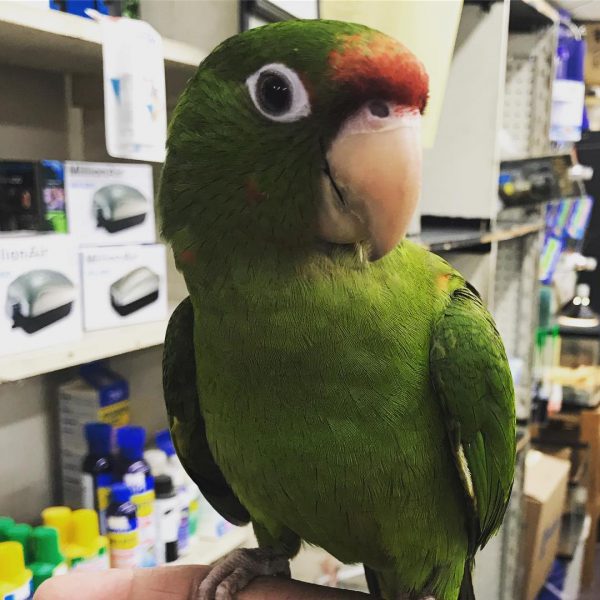

Amazon Parrot Speech Development
Amazon parrot speech development is one of the most fascinating aspects of owning this intelligent and expressive parrot group. Amazon parrots are among the best talkers in the parrot world, but their ability to speak does not appear overnight. Speech develops gradually through listening, emotional bonding, repetition, timing, and confidence. When supported correctly, Amazon parrots can develop clear speech, strong vocabulary, and context-appropriate vocalization. When rushed or mishandled, however, speech development can stall or become erratic.
This guide explains Amazon parrot speech development step by step—how it begins, what influences it, common mistakes that delay speech, and how to encourage talking ethically without creating stress or frustration.
Why Amazon Parrot Speech Development Is Special
Amazon parrots are not just mimics—they are social communicators. They learn speech as part of social bonding, not as a performance trick.
Understanding Amazon parrot speech development helps to:
- Encourage clear, confident talking
- Prevent screaming and attention-calling
- Avoid speech regression
- Support emotional communication
- Build stronger human–parrot relationships
These principles are emphasized across advanced Parrot Care Guides, especially for highly vocal species.
When Amazon Parrot Speech Development Begins
Listening Comes First
Amazon parrots begin learning speech long before they speak.
Early stages include:
- Silent listening
- Head tilting during speech
- Focused eye contact
- Quiet practice sounds
This stage is often mistaken for lack of ability—but it is essential preparation.
Typical Speech Development Timeline
Although individuals vary, many Amazon parrots:
- Begin vocal experimentation as juveniles
- Produce first words between juvenile and young adult stages
- Improve clarity and context with emotional maturity
Speech development depends more on environment than age alone.
How Amazon Parrots Learn to Talk
Emotional Relevance Drives Learning
Amazon parrots repeat sounds that are:
- Emotionally charged
- Repeated consistently
- Associated with social interaction
Words spoken calmly and repeatedly during meaningful moments are learned fastest.
This emotional learning process aligns closely with Understanding Parrot Emotions.
Context Matters More Than Repetition
Repeating random words endlessly often fails.
Amazon parrots learn best when:
- Words match situations
- Tone remains consistent
- Repetition occurs naturally
For example, greeting words used only during greetings are learned faster.
Voice, Tone, and Amazon Parrot Speech Development
Tone Is the Blueprint
Amazon parrots mimic tone before words.
They are drawn to:
- Clear pronunciation
- Expressive but calm tones
- Natural speech rhythm
Overly loud or exaggerated speech often produces noise imitation rather than words.
Who Teaches Matters
Amazon parrots often prefer:
- Calm, emotionally regulated voices
- Predictable speakers
- Voices associated with safety
This explains why some parrots speak more clearly for one person than others, a dynamic explored in How Parrots Choose Their Preferred Humans.
The Role of Bonding in Amazon Parrot Speech Development
Speech Is Social
Amazon parrots talk to connect, not to perform.
They speak more when:
- Emotional trust is strong
- Interaction feels safe
- Pressure is absent
Parrots that feel insecure often vocalize excessively without developing clear speech.
Bonding dynamics here reflect principles in Parrot Human Bonding Science.
Pressure Delays Speech
Forcing interaction, demanding words, or reacting emotionally to silence often:
- Increases anxiety
- Suppresses learning
- Encourages screaming instead
Speech develops fastest in low-pressure environments.
Body Language and Speech Readiness
Before speaking, Amazon parrots often show:
- Focused eye contact
- Slight head tilting
- Quiet beak movement
- Still posture
Recognizing these signs helps owners respond calmly rather than interrupting learning.
This awareness connects directly to Understanding Parrot Body Language.
Daily Routines and Speech Development
Routine Creates Confidence
Amazon parrots speak more readily when daily life is predictable.
Consistent routines:
- Reduce stress
- Improve attention span
- Support vocal confidence
This structure is emphasized in Setting a Daily Parrot Routine.
Best Times to Encourage Speech
Speech practice works best:
- In the morning
- During calm one-on-one interaction
- Before meals
- During relaxed social moments
Avoid practicing when the bird is overstimulated or tired.
Training vs Natural Speech Learning
Speech Is Not a Trick
Unlike step-up or targeting, speech cannot be trained through repetition alone.
Speech emerges when:
- Emotional state is calm
- Environment is stable
- Interaction is meaningful
Reward-based training principles from Positive Reinforcement Training for Parrots support confidence—but should not be used to force speech.
Avoid Rewarding Noise
Accidentally reinforcing screaming delays speech development.
Instead:
- Ignore attention-seeking noise
- Respond warmly to calm vocal attempts
- Reinforce quiet communication
This teaches that calm vocalization is effective.
Species Traits That Affect Amazon Parrot Speech Development
Amazon parrots are:
- Confident
- Expressive
- Socially motivated
They often:
- Learn phrases with emotional tone
- Use speech contextually
- Develop strong voice projection
However, without guidance, this confidence can turn into excessive noise.
Common Mistakes That Slow Speech Development
- Repeating words constantly without context
- Reacting emotionally to silence
- Encouraging screaming unintentionally
- Inconsistent daily routines
- Forcing interaction
- Comparing parrots to others
Speech develops at the parrot’s pace—not the human’s timeline.
Speech Regression: Why It Happens
Amazon parrots may stop talking due to:
- Stress
- Routine disruption
- Emotional insecurity
- Hormonal changes
Regression is usually temporary if emotional stability is restored.
How to Support Clear Speech Long-Term
Healthy speech support includes:
- Calm, consistent interaction
- Context-based word use
- Emotional safety
- Predictable routines
- Respect for independence
These factors lead to clearer articulation and confident communication.
Amazon Parrot Speech vs Other Parrots
Compared to other parrots:
- Amazons are louder but clearer
- They project confidently
- They speak with emotional emphasis
Their speech is less whispered and more expressive.
When Not to Focus on Speech
Not all Amazon parrots will talk extensively.
Speech should never be:
- A requirement
- A measure of intelligence
- A condition for affection
Parrots that feel accepted often speak more naturally.
Long-Term Outcomes of Healthy Amazon Parrot Speech Development
Parrots supported ethically are more likely to:
- Speak clearly and confidently
- Use words contextually
- Avoid excessive screaming
- Communicate emotions effectively
This is why ethical programs offering Exotic Birds for Sale increasingly educate buyers about realistic speech development expectations.
External Behavioral Insight
Avian behavioral research consistently shows that parrots learn speech through emotional association and social relevance—not mechanical repetition. Educational sources such as avian behavior research publications emphasize calm environments, emotional stability, and contextual learning as the strongest predictors of speech clarity.
Understanding Amazon parrot speech development transforms speech from a novelty into meaningful communication.