
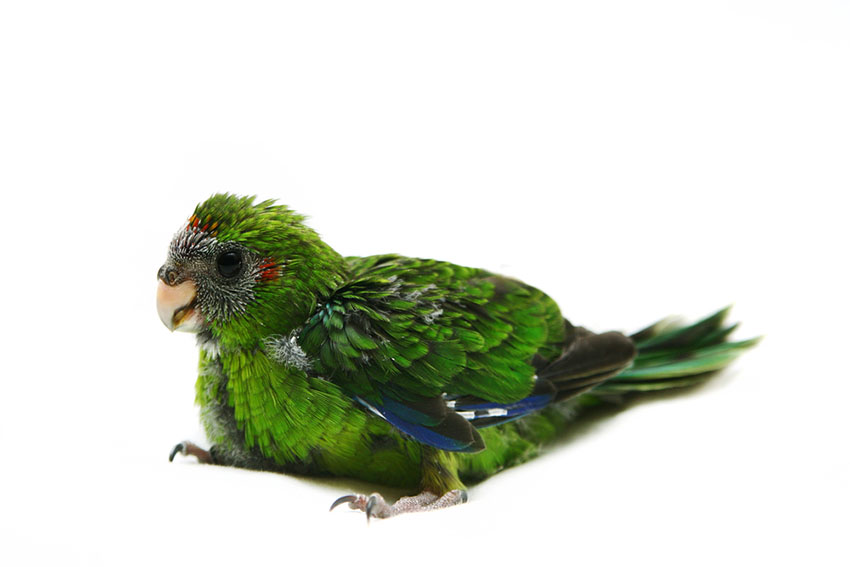

Raising Baby Amazons for Confidence Development
Raising baby Amazons for confidence development is one of the most important responsibilities in parrot care. Confidence is not a personality trait a parrot is “born with.” Instead, it is taught through daily experiences, emotional safety, predictable routines, and respectful interaction. Baby Amazon parrots that develop confidence early grow into calm, expressive, resilient adults. In contrast, babies raised without proper confidence-building often become fearful, reactive, dominant, or emotionally unstable later in life.
This guide explains how to raise baby Amazons with confidence as the core goal—covering emotional development, environment setup, routines, handling, social exposure, early training foundations, and mistakes that commonly undermine confidence.
Why Confidence Development Matters in Baby Amazons
Amazon parrots are naturally bold, intelligent, and expressive. However, confidence that is not guided correctly can turn into:
- Fear-based aggression
- Excessive screaming
- Dominance challenges
- Emotional shutdown
- Poor adaptability
Therefore, raising baby Amazons for confidence development ensures:
- Emotional resilience
- Clear communication
- Healthy independence
- Reduced behavioral problems
- Strong human–parrot trust
These principles form the foundation of professional Parrot Care Guides.
Understanding Confidence vs Boldness in Baby Amazons
Confidence Is Calm, Not Loud
A confident baby Amazon is not constantly vocal or demanding. Instead, confidence appears as:
- Calm curiosity
- Willing exploration
- Quick emotional recovery
- Clear communication
Loudness or pushy behavior often signals insecurity—not confidence.
Fear Suppresses Learning
Baby Amazons cannot learn effectively when they feel unsafe. If fear dominates early life, confidence development slows dramatically.
This is why emotional safety always comes before training or performance.
The Emotional Foundation of Confidence Development
Emotional Safety Comes First
Baby Amazons build confidence when they learn:
- Humans are predictable
- Stress resolves calmly
- Communication works
- Boundaries are respected
This early emotional learning explains Why Early Bonding Shapes Your Parrot for Life.
Calm Humans Create Confident Parrots
Babies mirror emotional energy.
They gain confidence fastest around humans who:
- Move slowly
- Speak calmly
- React predictably
- Avoid emotional outbursts
Excitement, urgency, or frustration often create insecurity.
This sensitivity aligns closely with Understanding Parrot Emotions.
Environment Setup for Confidence Development
Safe Space Encourages Exploration
Baby Amazons gain confidence through safe exploration.
An ideal environment includes:
- A stable enclosure
- Familiar perches
- Gentle lighting
- Minimal sudden noise
When the environment feels safe, curiosity naturally increases.
Predictability Builds Security
Because baby Amazons rely heavily on routine:
- Avoid frequent cage relocation
- Introduce new objects slowly
- Keep daily patterns consistent
Predictability lowers stress and supports emotional growth.
Daily Routine and Confidence Development
Routine Creates Emotional Anchors
Consistent routines teach baby Amazons what to expect.
A predictable routine:
- Reduces anxiety
- Improves emotional regulation
- Encourages confident behavior
This structure is emphasized in Setting a Daily Parrot Routine.
Balance Interaction and Rest
Confidence grows when babies are neither overwhelmed nor neglected.
Healthy routines include:
- Calm interaction windows
- Independent play time
- Quiet rest periods
Overstimulation creates insecurity, not confidence.
Handling Baby Amazons to Build Confidence
Gentle, Purposeful Handling
Handling should teach safety, not dependence.
Confidence-building handling is:
- Short
- Calm
- Predictable
- Ended before stress appears
Forcing interaction teaches avoidance rather than trust.
Let the Baby Initiate When Possible
Allowing the baby Amazon to approach, step up, or explore voluntarily strengthens confidence.
Choice teaches:
- Autonomy
- Self-trust
- Emotional control
This principle connects directly to Parrot Human Bonding Science.
Feeding and Confidence Development
Feeding Is Emotional Education
Feeding experiences shape emotional expectations.
Proper feeding should be:
- Calm
- Consistent
- Unrushed
Rushed or stressful feeding creates anxiety and insecurity.
Best practices align with Baby Parrot Feeding Guide principles.
Encouraging Independence Gradually
As babies mature:
- Support self-feeding exploration
- Avoid prolonged comfort-feeding
- Praise calm independence
Delayed independence often weakens confidence.
Socialization Without Overwhelm
Gentle Exposure Builds Brave Parrots
Confidence grows through controlled exposure.
Healthy exposure includes:
- Calm interaction with different people
- Familiar household sounds
- Predictable environments
This approach supports emotional resilience and reflects The Importance of Early Parrot Socialization.
Avoid Flooding
Overwhelming exposure—loud noise, excessive handling, chaotic spaces—often creates fear memories.
Confidence develops best when exposure is slow and positive.
Reading Body Language During Confidence Building
Baby Amazons communicate discomfort early through:
- Leaning away
- Feather tightening
- Freezing
- Reduced engagement
Respecting these cues builds trust and emotional security, as explained in Understanding Parrot Body Language.
Ignoring signals teaches the baby that communication does not work—undermining confidence.
Early Training Foundations for Confidence
Training Builds Predictability
At the baby stage, training should:
- Build confidence
- Teach predictability
- Encourage cooperation
Reward-based approaches in Positive Reinforcement Training for Parrots are ideal when kept brief and calm.
Keep Sessions Extremely Short
Confidence-focused training sessions should be:
- 1–3 minutes
- Calm and successful
- Stopped early
Long sessions overwhelm baby Amazons emotionally.
Speech and Confidence Development
Confident Parrots Speak More Clearly
Speech development is closely tied to confidence.
Confident babies:
- Experiment with sound
- Practice quietly
- Show curiosity toward voices
Pressuring speech often creates anxiety and delays talking, as detailed in Amazon Parrot Speech Development.
Silence Is Not Failure
Quiet observation is a healthy learning stage.
Babies that feel safe often speak later—but more clearly.
Preventing Common Confidence-Damaging Mistakes
Avoid:
- Overhandling
- Emotional reactions to noise
- Inconsistent routines
- Forcing interaction
- Punishment or intimidation
These actions undermine confidence and trust.
Transitioning to the Juvenile Stage Confidently
As baby Amazons mature:
- Reduce constant contact gradually
- Increase independence
- Maintain predictable routines
This transition prepares the bird for the next phase, explored further in Raising Juvenile Exotic Parrots.
Signs of Healthy Confidence Development
A confident baby Amazon typically shows:
- Curious exploration
- Calm recovery after startle
- Voluntary interaction
- Clear communication
- Independence without distress
These signs indicate strong emotional foundations.
Long-Term Benefits of Raising Confident Baby Amazons
Parrots raised with confidence as the goal are more likely to:
- Avoid fear-based aggression
- Develop clear speech
- Adapt to change
- Maintain emotional balance
- Form healthy lifelong bonds
This is why ethical families and programs offering Exotic Birds for Sale emphasize confidence-building during infancy.
External Development Insight
Avian developmental research consistently shows that early emotional safety and autonomy are the strongest predictors of adult confidence and behavioral stability. Educational sources such as avian behavior research publications confirm that predictable routines, calm handling, and choice-based interaction produce more resilient parrots.
Understanding raising baby Amazons for confidence development is therefore essential for lifelong success.