
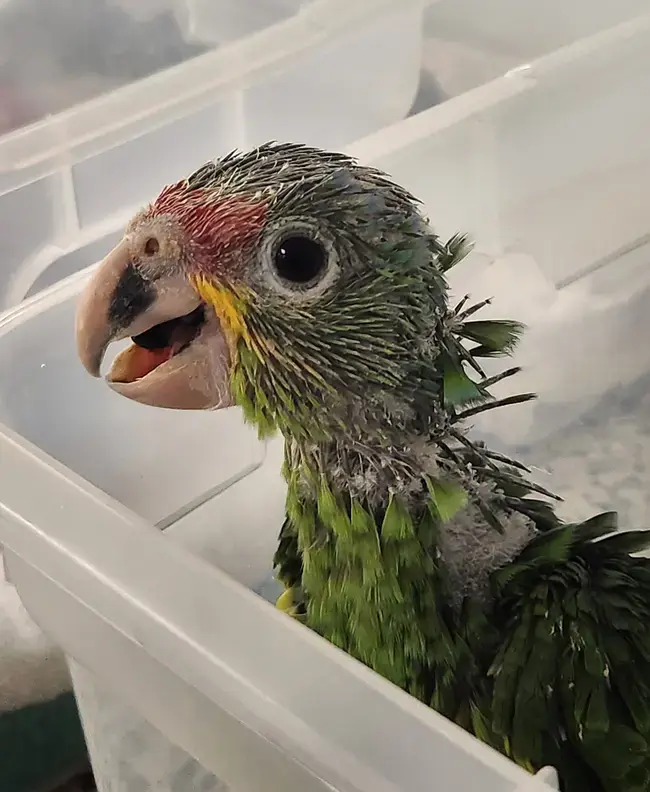

Baby Amazon Emotional Growth
Baby Amazon emotional growth is the invisible foundation that determines how an Amazon parrot will cope with stress, form relationships, communicate needs, and regulate emotions for the rest of its life. During the baby stage, Amazons are not just growing physically—they are learning how to feel safe, how to trust, and how emotions resolve. When emotional growth is supported correctly, baby Amazons mature into calm, confident, and socially balanced adults. When it is rushed, ignored, or overwhelmed, long-term issues such as fear, aggression, over-bonding, or chronic screaming often emerge.
This guide explains baby Amazon emotional growth in depth, including early emotional learning, trust-building, routine stability, healthy bonding, and the most common mistakes that disrupt emotional development.
Why Baby Amazon Emotional Growth Matters
Amazon parrots are emotionally intelligent and highly perceptive. However, they are not born emotionally regulated—this skill is learned.
Supporting healthy baby Amazon emotional growth helps to:
- Prevent fear-based aggression
- Reduce future anxiety and screaming
- Encourage confident communication
- Build healthy independence
- Support stable lifelong bonding
These principles sit at the core of all advanced Parrot Care Guides.
What Emotional Growth Means for Baby Amazons
Emotional Growth Is Learned Through Experience
Baby Amazons learn emotional regulation by observing:
- How humans respond to stress
- Whether discomfort is respected
- Whether routines are predictable
- Whether safety is consistent
Every interaction teaches an emotional lesson.
Emotional Safety Comes Before Behavior
Before a baby Amazon can learn commands, speech, or social skills, it must feel emotionally safe.
Emotional safety is created when:
- Handling is calm
- Signals are respected
- Stress resolves without escalation
- The environment feels predictable
This early learning explains Why Early Bonding Shapes Your Parrot for Life.
The Sensitive Emotional Development Window
Timing Shapes Lifelong Patterns
The baby stage is a sensitive emotional window.
During this period:
- Emotional memories form quickly
- Stress responses become ingrained
- Trust patterns solidify
Positive experiences build resilience. Negative experiences amplify fear.
Calm Repetition Builds Stability
Emotional growth thrives on calm repetition—not intensity.
Short, positive experiences repeated daily create far stronger emotional stability than occasional intense interaction.
Trust and Baby Amazon Emotional Growth
Trust Is the First Emotional Skill
Before affection, curiosity, or confidence appears, trust must develop.
Baby Amazons learn trust when:
- Humans are consistent
- Touch is gentle
- Responses are predictable
- Boundaries are respected
Trust is not automatic—it is earned through repetition.
How Babies Test Emotional Safety
Baby Amazons test trust by:
- Leaning away
- Freezing briefly
- Pausing interaction
- Observing reactions
When humans respond calmly, emotional confidence grows.
This dynamic connects closely to Parrot Human Bonding Science.
Handling and Emotional Growth
Gentle Handling Teaches Safety
Handling is one of the strongest emotional teachers.
Emotionally supportive handling is:
- Calm
- Brief
- Predictable
- Ended before stress appears
Overhandling overwhelms emotional processing and creates insecurity.
Let the Baby Choose When Possible
Allowing a baby Amazon to:
- Step up voluntarily
- Approach without pressure
- Leave safely
teaches autonomy and emotional control. Choice strengthens confidence.
Routine and Emotional Stability
Predictability Regulates Emotion
Baby Amazons regulate emotions best when life is predictable.
Consistent routines:
- Lower anxiety
- Improve sleep
- Support emotional balance
Routine importance is detailed in Setting a Daily Parrot Routine.
Balance Interaction and Rest
Emotional growth requires rest.
Healthy routines include:
- Calm interaction periods
- Independent exploration
- Quiet recovery time
Overstimulation disrupts emotional regulation.
Feeding and Emotional Development
Feeding Is Emotional Education
Feeding experiences shape how babies associate humans with safety.
Emotionally healthy feeding is:
- Calm
- Unhurried
- Consistent
Stressful feeding often creates long-term anxiety.
Best practices align with Baby Parrot Feeding Guide principles.
Supporting Independence Gradually
As babies mature:
- Encourage self-feeding exploration
- Avoid prolonged comfort-feeding
- Reinforce calm independence
Delayed independence weakens emotional confidence.
Social Exposure and Emotional Growth
Gentle Social Experiences Build Resilience
Baby Amazons benefit from:
- Calm exposure to multiple people
- Soft household sounds
- Predictable environments
This approach strengthens adaptability and aligns with Amazon Baby Social Development.
Avoid Emotional Flooding
Too much stimulation—noise, handling, or novelty—often creates emotional overload.
Emotional growth works best at the baby’s pace.
Communication and Emotional Learning
Teaching That Communication Works
When a baby Amazon shows discomfort and the human responds appropriately, the bird learns that communication is effective.
Ignoring signals teaches escalation.
This awareness connects directly to Understanding Parrot Body Language.
Voice and Tone Shape Emotional Security
Baby Amazons are highly sensitive to tone.
They feel safest around:
- Soft voices
- Predictable speech
- Calm reassurance
Emotional or loud reactions increase vigilance.
Training Foundations That Support Emotional Growth
Training Builds Emotional Predictability
Early training should focus on:
- Confidence
- Cooperation
- Emotional regulation
Reward-based approaches in Positive Reinforcement Training for Parrots support emotional learning when sessions are brief and calm.
Keep Training Extremely Short
For babies:
- 1–3 minute sessions
- End on success
- Stop at the first sign of stress
Training should never overwhelm emotional development.
Preventing Over-Bonding During Emotional Growth
What Emotional Dependency Looks Like
Warning signs include:
- Panic when separated
- Fixation on one person
- Distress during alone time
Over-bonding often starts in infancy.
Encouraging Healthy Emotional Balance
Healthy emotional growth includes:
- Multiple calm caregivers
- Independent play time
- Safe, short periods alone
This balance supports long-term stability and aligns with Understanding Amazon Parrot Bonding.
Common Mistakes That Harm Baby Amazon Emotional Growth
Avoid:
- Overhandling
- Forcing affection
- Emotional reactions to fear
- Inconsistent routines
- Ignoring body language
Most adult Amazon behavior problems originate from early emotional disruption.
Transitioning Emotional Skills Into the Juvenile Stage
As baby Amazons mature:
- Reduce constant contact gradually
- Increase independence expectations
- Maintain routine consistency
This transition prepares the bird for the next stage, explained further in Amazon Juvenile Growth Guide.
Signs of Healthy Baby Amazon Emotional Growth
A baby Amazon with strong emotional foundations typically shows:
- Calm curiosity
- Emotional recovery after startle
- Voluntary interaction
- Clear communication
- Independence without distress
These signs indicate healthy emotional development.
Long-Term Benefits of Healthy Emotional Growth
Baby Amazons supported emotionally are more likely to:
- Avoid fear-based aggression
- Communicate calmly
- Adapt to change
- Maintain stable bonds
- Thrive in multi-person households
This is why ethical families and programs offering Exotic Birds for Sale emphasize emotional development education.
External Emotional Insight
Avian developmental research consistently shows that early emotional safety and autonomy are the strongest predictors of adult parrot stability. Educational sources such as avian behavior research publications confirm that predictable routines, calm handling, and respect for autonomy during infancy produce emotionally resilient parrots.
Understanding baby Amazon emotional growth is therefore essential for lifelong success.