
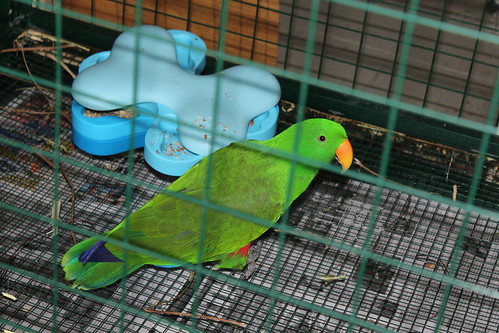

Eclectus Parrot Daily Routine
An effective Eclectus parrot daily routine is one of the most powerful tools an owner has to support emotional stability, physical health, and long-term well-being. Eclectus parrots are not birds that thrive on spontaneity or constant stimulation. Instead, they feel safest and most confident when their days follow a predictable, gentle rhythm.
This guide explains how to structure a realistic daily routine for an Eclectus parrot—from morning wake-up to evening wind-down—while respecting their unique biology, temperament, and need for consistency. Rather than offering rigid rules, this article provides a flexible framework that owners can adapt to their lifestyle without compromising the bird’s needs.
Why a Daily Routine Is Essential for Eclectus Parrots
Routine Regulates Both Mind and Body
Eclectus parrots are highly sensitive to environmental cues. Light cycles, feeding times, and interaction patterns directly affect their digestion, hormones, and emotional state. When routines fluctuate, stress often appears quietly through withdrawal, reduced vocalization, or subtle behavioral changes.
A stable daily structure:
- Reduces anxiety and hormonal stress
- Supports healthy digestion
- Encourages predictable behavior
- Strengthens trust between bird and owner
Understanding why routine matters for Eclectus parrots helps owners prevent issues before they develop.
Calm Consistency Over Constant Activity
Unlike parrots that enjoy frequent novelty, Eclectus parrots prefer calm repetition. They do not need busy schedules. Instead, they need reliable ones.
Morning Routine: Starting the Day Correctly
Wake-Up and Light Exposure
Most Eclectus parrots do best with 10–12 hours of uninterrupted sleep. In the morning, uncover the cage gradually and allow natural light to signal the start of the day.
Helpful morning practices include:
- Consistent wake-up time
- Soft verbal interaction
- Avoiding sudden noise
This approach supports Eclectus parrot sleep and wake cycles and reduces startle stress.
Morning Feeding: Fresh Foods First
Morning is the most important feeding time for Eclectus parrots. Their digestive system works best when fresh foods are offered early in the day.
A typical morning meal includes:
- Fresh vegetables (leafy greens, squash, peppers)
- Sprouts or legumes
- Small amounts of whole grains
Fresh foods should remain available for a few hours and then be removed to maintain hygiene.
This forms the foundation of a healthy Eclectus parrot feeding routine.
Mid-Morning: Observation and Independent Time
Allowing Calm Independence
After eating, many Eclectus parrots prefer quiet observation. This is a natural behavior, not boredom.
During this time:
- Avoid constant handling
- Allow the bird to watch household activity
- Keep the environment calm
This period supports emotional regulation and prevents overstimulation.
Gentle Interaction Opportunities
Short, calm interactions work best during mid-morning. Soft talking, light training, or simple presence helps reinforce trust without pressure.
Midday Routine: Enrichment Without Overstimulation
Structured Out-of-Cage Time
Most Eclectus parrots benefit from daily out-of-cage time, but quality matters more than duration.
Ideal midday activities include:
- Perching near family activity
- Foraging setups
- Calm interaction sessions
Avoid loud play, excessive touching, or unpredictable handling.
This balance supports Eclectus parrot daily activity needs while preserving emotional stability.
Light Midday Feeding (Optional)
Some owners offer a small midday snack such as vegetables or sprouts. Keep portions light and avoid sugary fruits during this time.
Afternoon: Rest and Reset
Why Rest Is Important
Eclectus parrots naturally include rest periods in their day. Allowing afternoon quiet time prevents fatigue and irritability.
Signs a bird needs rest include:
- Reduced movement
- Quiet observation
- Turning away from activity
Respecting these signals reinforces understanding Eclectus parrot body language and prevents stress buildup.
Environmental Calm
Lower household noise during rest periods when possible. This does not require silence—just predictability.
Evening Routine: Preparing for Sleep
Evening Feeding and Wind-Down
Evening meals should be simple and light. Many owners offer:
- Vegetables
- Small portions of grains
- Minimal fruit
Avoid rich foods late in the day, as they can disrupt sleep and hormones.
This supports Eclectus parrot evening routine balance.
Social Interaction Without Excitement
Evenings are ideal for calm bonding. Gentle conversation, sitting nearby, or quiet presence helps the bird feel secure.
Avoid:
- High-energy play
- New toys
- Extended handling
Bedtime Routine and Sleep Hygiene
Consistent Lights-Off Time
A predictable bedtime helps regulate hormones and mood. Cover the cage if needed and reduce stimulation gradually.
Best practices include:
- Same bedtime nightly
- Minimal noise after lights-out
- Stable sleep location
This aligns with Eclectus parrot sleep schedule best practices.
Adjusting the Routine by Life Stage
Juvenile Eclectus Parrots
Young birds benefit from:
- Shorter activity sessions
- More frequent rest
- Simple, consistent schedules
Gradually increase independence as confidence grows.
Adult Eclectus Parrots
Adults thrive on consistency. Once a routine works, avoid unnecessary changes.
Senior Eclectus Parrots
Older birds may need:
- More rest time
- Softer foods
- Adjusted perch access
These changes support comfort and longevity, reinforcing senior Eclectus parrot daily care needs.
Common Routine Mistakes to Avoid
Inconsistent Feeding Times
Irregular feeding disrupts digestion and emotional balance.
Overhandling
Too much interaction can overwhelm Eclectus parrots, even when intentions are positive.
Frequent Schedule Changes
Constant changes increase stress. Adjust slowly and deliberately when needed.
Ethical Routine Design
Designing the Day Around the Bird
Ethical care means adapting human schedules to the bird’s needs whenever possible. A well-structured routine reduces the need for behavior correction later.
Understanding ethical Eclectus parrot care routines ensures long-term success.
Final Thoughts
A thoughtful Eclectus parrot daily routine creates the foundation for calm behavior, strong health, and emotional security. These parrots do not need busy days filled with novelty. Instead, they thrive on predictability, gentle interaction, and respect for their natural rhythms.
When daily life feels safe and familiar, Eclectus parrots respond with trust, stability, and long-lasting companionship. Routine is not restriction—it is reassurance.