
Foods Toxic to Eclectus Parrots
Understanding foods toxic to Eclectus parrots is not optional—it is a core responsibility of ethical ownership. Eclectus parrots are especially vulnerable to dietary mistakes because of their unique digestive system and high nutrient absorption rate. Foods that may cause mild issues in other parrots can lead to serious health problems in Eclectus parrots, sometimes with very small amounts.
This guide explains which foods are toxic or dangerous, why Eclectus parrots are more sensitive than other species, how toxicity symptoms appear, and how to prevent accidental exposure in everyday households. The focus is practical, realistic, and safety-first—written for owners who want to protect their birds over the long term.
Why Eclectus Parrots Are More Sensitive to Toxic Foods
Unique Digestive Biology Increases Risk
Eclectus parrots have a longer digestive tract and absorb nutrients more efficiently than most parrots. While this allows them to thrive on fresh, natural diets, it also means toxins are absorbed more quickly and in higher concentrations.
As a result:
- Smaller amounts of toxic foods can cause harm
- Symptoms may appear faster
- Recovery may take longer
Understanding why Eclectus parrots are diet-sensitive helps explain why strict food control is essential.
Not All “Parrot-Safe” Foods Are Eclectus-Safe
Some foods commonly labeled as “safe for parrots” are inappropriate for Eclectus parrots due to additives, processing, or nutrient concentration. Toxicity is not always immediate—some foods cause cumulative damage over time.
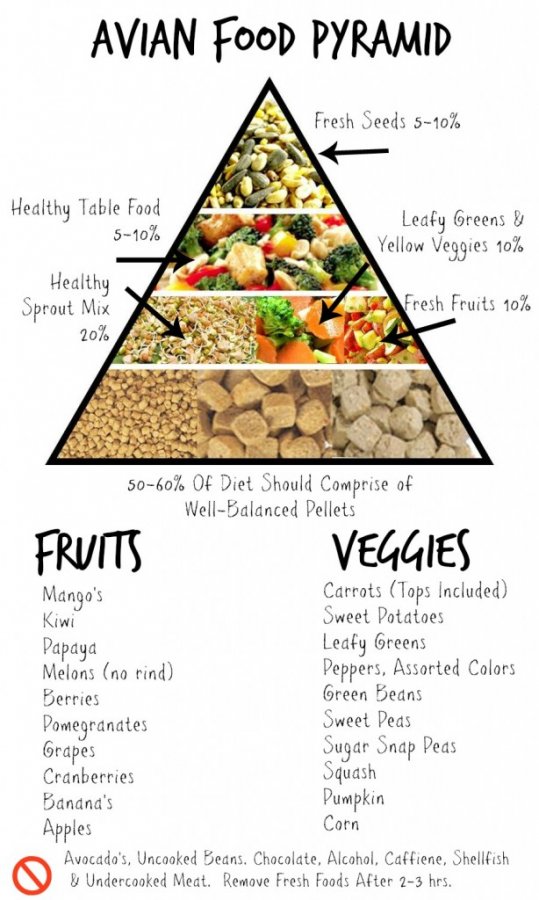
Foods That Are Toxic to Eclectus Parrots (Never Feed)
Avocado (Extremely Dangerous)
Avocado contains persin, a toxin that affects the heart and respiratory system of birds.
Even tiny amounts can cause:
- Breathing difficulty
- Weakness
- Sudden collapse
All parts of the avocado plant are toxic, including the flesh, pit, skin, and leaves. This is one of the most critical toxic foods for Eclectus parrots.
Chocolate and Cocoa Products
Chocolate contains theobromine and caffeine, both of which are highly toxic to birds.
Potential effects include:
- Rapid heart rate
- Tremors
- Seizures
- Death
Dark chocolate and baking cocoa are especially dangerous.
Caffeine (Coffee, Tea, Energy Drinks)
Caffeine overstimulates the nervous and cardiovascular systems of birds.
Sources to avoid include:
- Coffee (all forms)
- Tea (including herbal blends with caffeine)
- Energy drinks
- Soda
Even a sip can be harmful due to the Eclectus parrot’s sensitivity.
Alcohol
Alcohol depresses the central nervous system and can cause organ failure in birds.
Effects may include:
- Disorientation
- Vomiting
- Respiratory failure
There is no safe amount of alcohol for parrots.
Onion, Garlic, and Leeks
These foods damage red blood cells and may cause anemia over time.
Both raw and cooked forms are dangerous, including:
- Onion powder
- Garlic powder
- Foods cooked with onion or garlic
This makes many human foods unsafe even if they appear otherwise healthy.
Rhubarb
Rhubarb leaves and stalks contain oxalates that interfere with calcium absorption.
Ingestion may cause:
- Weakness
- Kidney damage
- Neurological symptoms
Rhubarb should never be offered in any form.
Foods That Are Unsafe or High-Risk for Eclectus Parrots
These foods may not cause immediate toxicity but are still dangerous due to cumulative effects or digestive strain.
Salty Foods
High sodium levels can cause dehydration and kidney damage.
Avoid:
- Chips
- Crackers
- Processed snacks
- Salted nuts
Eclectus parrots are especially prone to salt sensitivity.
Understanding why salt is dangerous for parrots is critical for household safety.
Sugary and Processed Foods
Excess sugar disrupts gut health and hormonal balance.
Avoid:
- Candy
- Pastries
- Sugary cereals
- Sweetened yogurt
Even small amounts can affect behavior and digestion.
Artificial Colors, Preservatives, and Additives
Eclectus parrots are particularly sensitive to synthetic vitamins and artificial ingredients.
Common issues include:
- Toe-tapping
- Wing flipping
- Irritability
- Neurological stress
This is why processed foods harmful to Eclectus parrots should be completely avoided.
Dairy Products
Birds lack the enzymes needed to digest lactose.
Small amounts may cause:
- Digestive upset
- Diarrhea
- Discomfort
Dairy offers no nutritional benefit and should be excluded.
Seeds, Nuts, and Pellets: When “Too Much” Becomes Dangerous
Seeds and Nuts
Seeds and nuts are not toxic, but excessive consumption leads to obesity, liver stress, and nutritional imbalance.
Use them only as:
- Training treats
- Foraging enrichment
- Occasional supplements
Pellets and Vitamin Fortification
Many commercial pellets contain high levels of synthetic vitamins. Eclectus parrots may develop toxicity symptoms even when pellets are fed according to package instructions.
Signs of over-fortification include:
- Hyperactivity
- Feather issues
- Neurological symptoms
Understanding pellet-related risks for Eclectus parrots helps owners make informed decisions.
Toxic Plants and Household Hazards
Common Toxic Plants
Many household and garden plants are dangerous if chewed.
Examples include:
- Dieffenbachia
- Philodendron
- Pothos
- Oleander
Always verify plant safety before allowing access.
Non-Food Household Toxins
Food safety also includes environmental exposure.
Keep parrots away from:
- Non-stick cookware fumes
- Cleaning chemicals
- Pesticides
- Scented candles and air fresheners
Symptoms of Food Toxicity in Eclectus Parrots
Early Warning Signs
- Lethargy
- Vomiting or regurgitation
- Loss of appetite
- Tremors
Severe Symptoms
- Seizures
- Difficulty breathing
- Loss of balance
- Collapse
If toxicity is suspected, contact an avian veterinarian immediately. Time is critical.
Recognizing signs of food poisoning in Eclectus parrots can save lives.
How to Prevent Accidental Exposure
Kitchen and Dining Safety
- Never share food from plates
- Keep parrots out of kitchens during cooking
- Educate all household members
Guest Awareness
Visitors may unknowingly offer unsafe foods. Clear rules protect your bird.
Safe Alternatives to Common Toxic Foods
Instead of risky foods, offer:
- Fresh vegetables
- Sprouts
- Limited safe fruits
- Cooked whole grains
This supports safe feeding alternatives for Eclectus parrots without compromising nutrition.
Ethical Feeding and Long-Term Responsibility
Prevention Is Part of Ethical Care
Most toxicity cases are preventable. Ethical ownership means understanding risks and creating a safe environment.
Learning ethical food safety for Eclectus parrots protects both health and trust.
Final Thoughts
Knowing foods toxic to Eclectus parrots is one of the most important aspects of responsible care. Because Eclectus parrots are uniquely sensitive, owners must go beyond general parrot advice and apply stricter standards.
Safe feeding is not about fear—it is about awareness. When owners understand what to avoid and why, Eclectus parrots can enjoy long, healthy lives supported by thoughtful, informed nutrition choices.