
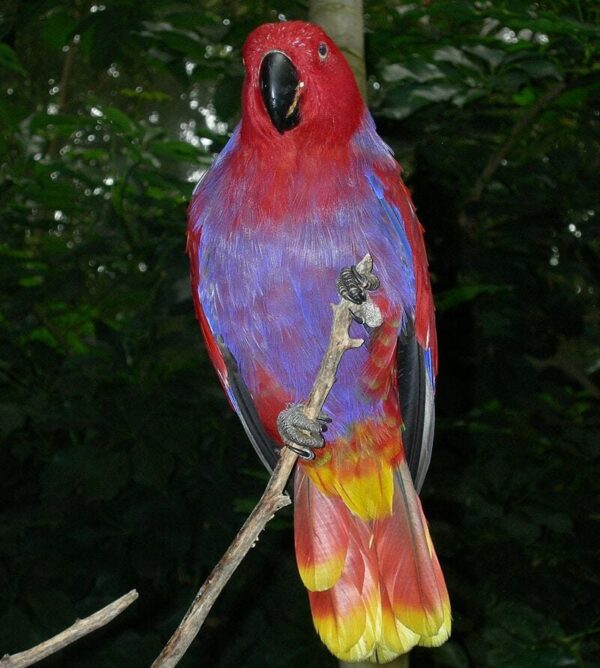

Vitamin Sensitivity in Eclectus Parrots
Vitamin sensitivity in Eclectus parrots is one of the most misunderstood—and most critical—topics in Eclectus care. Many health and behavior problems seen in this species do not come from neglect, but from over-supplementation. Well-meaning owners often provide vitamin-fortified pellets, supplements, or enriched foods believing they are improving health, only to trigger neurological, hormonal, and behavioral issues.
Eclectus parrots are not “fragile,” but they are biologically specialized. Their digestive system absorbs nutrients more efficiently than that of most parrots. Because of this, levels of vitamins that are safe for other species can overwhelm an Eclectus parrot’s system. This guide explains why vitamin sensitivity occurs, how to recognize the warning signs, which products pose the highest risk, and how to feed Eclectus parrots safely for long-term health.
What Does Vitamin Sensitivity Mean in Eclectus Parrots?
A Different Way of Processing Nutrients
Eclectus parrots have a longer intestinal tract and slower food transit time than many companion parrots. As a result, they extract and absorb a higher percentage of nutrients from their food.
This means:
- Vitamins remain in the body longer
- Fat-soluble vitamins can accumulate
- Synthetic vitamins affect the nervous system more quickly
Understanding what vitamin sensitivity means in Eclectus parrots helps explain why “more” nutrition is often harmful rather than helpful.
Natural Diet vs Captive Diet
In the wild, Eclectus parrots consume fresh fruits, blossoms, seeds, and vegetation with naturally balanced vitamin levels. Captive diets often replace this balance with concentrated, synthetic sources that the body is not designed to handle in excess.
Why Eclectus Parrots Are More Sensitive Than Other Parrots
High Absorption + Synthetic Vitamins = Overload
Most commercial pellets and supplements use synthetic vitamins because they are stable and inexpensive. However, synthetic vitamins behave differently in the body than vitamins from fresh foods.
In Eclectus parrots, this combination often leads to:
- Neurological overstimulation
- Hormonal disruption
- Digestive stress
This explains why Eclectus parrots react differently to vitamins compared to Amazons, macaws, or cockatoos.
Fat-Soluble Vitamins Are Especially Risky
Vitamins A, D, E, and K are fat-soluble. Excess amounts are stored in the body rather than excreted.
Over time, buildup can lead to toxicity even when doses seem “normal” on product labels.
Common Symptoms of Vitamin Sensitivity in Eclectus Parrots
Neurological and Physical Signs
The most well-known symptoms include:
- Toe-tapping (rapid, repetitive toe movement)
- Wing flipping or twitching
- Tremors
- Restlessness or agitation
These signs often appear gradually and may worsen after meals containing fortified foods.
Recognizing symptoms of vitamin toxicity in Eclectus parrots early allows owners to intervene before permanent damage occurs.
Behavioral and Emotional Changes
Vitamin overload does not only affect the body. Many Eclectus parrots show:
- Increased irritability
- Reduced tolerance for handling
- Withdrawal or overstimulation
- Sudden behavioral shifts
These changes are often mistaken for hormonal behavior or personality changes.
Foods and Products Most Likely to Cause Problems
Fortified Pellets
Many popular pellet brands contain vitamin levels designed for parrots with lower absorption rates. For Eclectus parrots, even “recommended” servings can be excessive.
Pellet-related issues are a major contributor to vitamin sensitivity in Eclectus parrots.
Vitamin Supplements and Drops
Liquid supplements, powdered vitamins, and “immune boosters” pose a high risk unless prescribed by an avian veterinarian who understands Eclectus physiology.
Routine supplementation is rarely necessary when a fresh diet is provided.
Enriched Treats and Human Foods
Some bird treats, cereals, and even baby foods contain hidden vitamin enrichment or additives. These products often look harmless but contribute to cumulative overload.
Why Fresh Foods Are Safer Than Supplements
Natural Vitamins vs Synthetic Vitamins
Vitamins from fresh vegetables, sprouts, and fruits are present in biologically balanced forms. The body regulates their absorption more effectively, reducing the risk of toxicity.
This is why fresh food diets reduce vitamin sensitivity in Eclectus parrots when properly balanced.
Fiber Supports Safe Absorption
Fresh foods also contain fiber, which slows digestion and moderates nutrient uptake. Processed foods lack this protective effect.
How to Prevent Vitamin Sensitivity in Eclectus Parrots
Build a Fresh-Food-Based Diet
A safe diet focuses on:
- Vegetables as the foundation
- Sprouts and legumes
- Limited fruit
- Minimal or no fortified pellets
This approach supports safe nutrition for vitamin-sensitive Eclectus parrots.
Avoid Routine Supplementation
Do not add vitamins “just in case.” Supplementation should only occur:
- Under veterinary guidance
- For a diagnosed deficiency
- For a defined period
Read Labels Carefully
Check for:
- Artificial colors
- Vitamin enrichment
- Added minerals
Products marketed as “complete nutrition” often pose the highest risk.
What to Do If You Suspect Vitamin Toxicity
Immediate Steps
If symptoms appear:
- Remove fortified foods and supplements
- Transition to fresh, low-vitamin foods
- Contact an avian veterinarian
Do not abruptly starve or drastically restrict food.
Recovery Timeline
Mild cases often improve within weeks after dietary correction. Severe or long-term exposure may take months to resolve and requires professional monitoring.
Understanding how to reverse vitamin overload in Eclectus parrots depends on early action and consistency.
Vitamin Sensitivity vs True Deficiency
Why Deficiency Is Rare
Eclectus parrots fed varied fresh diets rarely develop vitamin deficiencies. Most problems come from excess, not lack.
Misinterpreting symptoms and adding supplements often worsens the situation.
Ethical Feeding and Long-Term Responsibility
Nutrition as Preventive Medicine
Ethical care means respecting species-specific needs rather than following generalized parrot advice. Eclectus parrots thrive when owners prioritize simplicity, observation, and restraint.
Understanding ethical nutrition practices for Eclectus parrots protects health, behavior, and lifespan.
Final Thoughts
Vitamin sensitivity in Eclectus parrots is not a flaw—it is a natural consequence of their specialized biology. When owners understand this sensitivity and adjust feeding practices accordingly, most diet-related issues disappear.
The safest approach is not complex supplementation, but thoughtful simplicity: fresh foods, minimal processing, and careful observation. When nutrition respects biology, Eclectus parrots remain calm, healthy, and balanced for decades.