
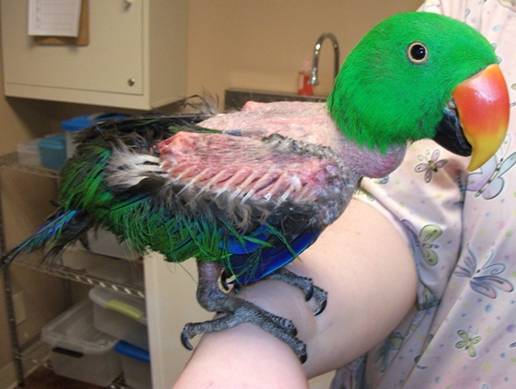

Common Health Problems in Eclectus Parrots
Understanding common health problems in Eclectus parrots is essential for anyone who shares life with this uniquely sensitive and intelligent species. Eclectus parrots often appear calm and composed even when something is wrong. Rather than dramatic symptoms, they tend to show subtle, progressive changes—which means health issues can go unnoticed until they are well established.
This guide focuses on the health problems most frequently seen in Eclectus parrots, why they occur, how to recognize early warning signs, and how ethical, preventive care dramatically reduces risk. The goal is not to alarm, but to equip owners with clear, practical knowledge that protects long-term wellbeing.
Why Health Issues Present Differently in Eclectus Parrots
Sensitivity Is Biological, Not Fragility
Eclectus parrots have a highly efficient digestive system, strong nutrient absorption, and a sensitive nervous system. These traits make them thrive on correct care—but react quickly to mistakes.
As a result:
- Diet-related issues appear sooner
- Stress impacts health more noticeably
- Subtle changes carry greater meaning
Understanding why Eclectus parrots are health-sensitive helps owners interpret small signals before they become serious problems.
Nutritional and Diet-Related Health Problems
Vitamin Overload and Nutrient Imbalance
One of the most common health issues in Eclectus parrots is over-supplementation, not deficiency.
Because Eclectus parrots absorb nutrients so efficiently, fortified pellets and supplements often lead to:
- Toe tapping
- Wing flipping
- Tremors
- Behavioral instability
These neurological signs are classic indicators of vitamin sensitivity in Eclectus parrots.
Prevention:
- Emphasize fresh vegetables and sprouts
- Avoid routine vitamin supplements
- Limit or eliminate fortified pellets
Obesity and Fatty Liver Disease
Diets high in seeds, nuts, and sugary fruits can lead to:
- Weight gain
- Liver stress
- Reduced stamina
Because Eclectus parrots are often calm by nature, obesity may go unnoticed.
Watch for:
- Reduced activity
- Heavy breathing after movement
- Loss of waist definition
Maintaining proper Eclectus parrot diet balance is the most effective prevention.
Digestive Health Problems
Chronic Digestive Upset
Digestive issues may present as:
- Loose or inconsistent droppings
- Reduced appetite
- Selective eating
Common causes include:
- Diet inconsistency
- Excess fruit
- Processed or human foods
Digestive health is closely tied to emotional state and routine in this species.
Supporting healthy digestion in Eclectus parrots requires stability more than variety.
Yeast and Bacterial Imbalance
Warm, moist food left too long can encourage microbial growth. Because Eclectus parrots are sensitive, even mild imbalances may affect behavior and appetite.
Always:
- Remove fresh food within 3–4 hours
- Clean bowls daily
- Refrigerate sprouts properly
Feather and Skin Health Problems
Feather Stress and Damage
Feather problems in Eclectus parrots often reflect internal imbalance, not grooming issues.
Possible signs include:
- Dull feathers
- Uneven feather growth
- Excessive preening
Common underlying causes:
- Chronic stress
- Hormonal imbalance
- Poor diet
Recognizing feather condition as a health indicator in Eclectus parrots helps owners look deeper than appearance alone.
Dry or Irritated Skin
Low humidity, nutritional imbalance, or stress may lead to:
- Flaky skin
- Excessive scratching
Providing regular bathing opportunities and balanced nutrition supports skin health naturally.
Respiratory Health Issues
Sensitivity to Air Quality
Eclectus parrots are highly sensitive to airborne irritants.
Common respiratory triggers include:
- Non-stick cookware fumes
- Scented candles or sprays
- Smoke or incense
Early signs of respiratory distress may include:
- Tail bobbing
- Open-mouth breathing
- Reduced activity
Maintaining clean air for Eclectus parrot health is non-negotiable.
Hormone-Related Health Concerns
Chronic Hormonal Stress
While hormones are natural, prolonged hormonal activation can impact health.
Possible effects include:
- Increased aggression
- Reduced immunity
- Digestive instability
Triggers often include:
- Excessive daylight
- Nest-like spaces
- Rich or fatty foods
Managing hormonal balance in Eclectus parrots protects both physical and emotional health.
Behavioral Changes as Health Warnings
Quiet Withdrawal
One of the most overlooked health signals is reduced engagement. An Eclectus parrot that becomes unusually still, silent, or withdrawn may be conserving energy due to illness.
This is why behavioral changes often signal health problems in Eclectus parrots earlier than physical symptoms.
Sudden Irritability or Aggression
Pain or discomfort often lowers tolerance. A normally calm bird that becomes defensive may be communicating physical distress.
Reproductive Health Concerns (Especially Females)
Egg Binding and Chronic Laying
Female Eclectus parrots are particularly sensitive to reproductive triggers.
Health risks include:
- Egg binding
- Calcium depletion
- Exhaustion
Preventive strategies include:
- Limiting daylight hours
- Removing nesting triggers
- Maintaining balanced nutrition
Understanding female-specific health risks in Eclectus parrots is essential for long-term care.
Stress-Related Health Problems
Chronic Stress and Immunity
Ongoing stress suppresses immune function and increases susceptibility to illness.
Common stressors:
- Unpredictable routine
- Overhandling
- Loud environments
Supporting stress reduction for Eclectus parrot health is preventive medicine.
When to Seek Veterinary Care
Seek an avian veterinarian if you notice:
- Persistent appetite changes
- Weight loss
- Breathing difficulty
- Sudden behavior shifts
- Neurological signs
Eclectus parrots benefit from early intervention more than most species.
Preventive Health Care for Eclectus Parrots
Routine Wellness Checks
Annual exams with an avian veterinarian help detect:
- Nutritional imbalances
- Organ stress
- Early disease
Diet, Routine, and Observation
The strongest preventive tools are:
- Fresh, appropriate diet
- Predictable daily routine
- Careful observation of small changes
This approach supports long-term preventive health care for Eclectus parrots.
Ethical Responsibility in Health Management
Prevention Over Reaction
Ethical care means:
- Avoiding convenience-based feeding
- Respecting sensitivity rather than ignoring it
- Acting on subtle signs early
Understanding ethical health care for Eclectus parrots protects quality of life, not just longevity.
Final Thoughts
Common health problems in Eclectus parrots are rarely sudden or mysterious. Most develop gradually and communicate themselves quietly through behavior, posture, appetite, and feather condition.
When owners understand the species’ sensitivity, prioritize diet and routine, and respond early to subtle changes, Eclectus parrots remain remarkably resilient. With ethical, informed care, these parrots often enjoy long, stable, and deeply connected lives.