
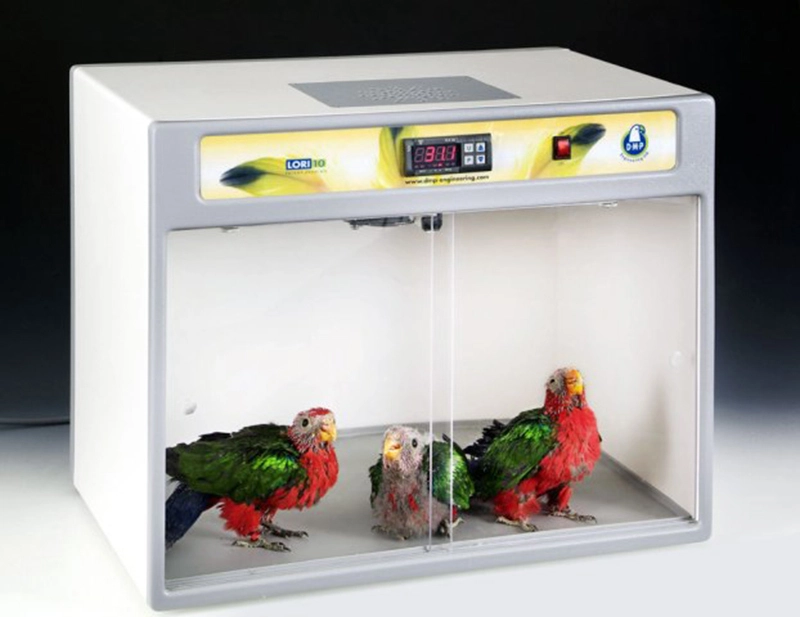

Hand-Raising Eclectus Chicks
Hand-raising is one of the most sensitive and high-risk practices in Eclectus aviculture. Unlike many parrot species, Eclectus chicks respond intensely to environmental errors, feeding inconsistencies, and human handling mistakes. Therefore, anyone considering hand-raising Eclectus chicks must approach the process with preparation, restraint, and a strong ethical framework.
This guide explains when hand-raising is appropriate, how Eclectus chicks develop differently from other parrots, correct feeding and brooding practices, and how to avoid the mistakes that cause long-term behavioral and health problems. Throughout, the focus remains on welfare first, not convenience or speed.
When Hand-Raising Eclectus Chicks Is (and Is Not) Appropriate
Hand-Raising Should Never Be the Default
Whenever possible, Eclectus chicks should be parent-raised. Parent birds provide:
- Species-appropriate feeding rhythms
- Natural immunity support
- Emotional regulation
- Correct social development
However, hand-raising becomes necessary in specific situations.
Situations That May Require Hand-Raising
Hand-raising may be justified when:
- Parents abandon or fail to feed chicks
- Chicks show poor weight gain
- Severe aggression occurs in the nest
- Medical intervention is required
Even then, partial hand-rearing or assisted feeding often works better than full removal.
Understanding when hand-raising Eclectus chicks is ethically justified prevents unnecessary intervention.
Why Eclectus Chicks Are Different From Other Parrot Chicks
Slower, More Deliberate Development
Eclectus chicks:
- Grow more slowly
- Digest food more efficiently
- React strongly to formula composition
As a result, rushed feeding schedules or rich formulas cause harm quickly.
This explains why hand-raising Eclectus chicks requires a different approach than other parrots.
Higher Sensitivity to Imbalance
Even small errors in:
- Temperature
- Formula thickness
- Feeding volume
can lead to crop issues, aspiration, or developmental stress.
Preparing Before You Hand-Raise
Equipment You Must Have Ready
Before removing a chick, prepare:
- Temperature-controlled brooder
- Accurate digital thermometer
- Gram scale (daily weighing is mandatory)
- Sterile feeding syringes
- Species-appropriate hand-feeding formula
Preparation prevents panic-driven mistakes.
Brooder Temperature and Humidity
Temperature must change as the chick grows.
General guidelines:
- Newly hatched: ~35°C (95°F)
- Gradual reduction as feathers develop
Humidity should remain moderate to prevent dehydration and skin issues.
Maintaining proper brooder conditions for Eclectus chicks is non-negotiable.
Feeding Eclectus Chicks Safely
Formula Composition Matters
Eclectus chicks require:
- Moderate protein
- Low synthetic vitamin levels
- Easily digestible ingredients
Avoid heavily fortified formulas unless specifically designed for Eclectus parrots.
This directly relates to vitamin sensitivity in hand-raised Eclectus chicks.
Feeding Frequency and Volume
Overfeeding causes more harm than underfeeding.
As a rule:
- Feed only when the crop is nearly empty
- Use appropriate volume for age and weight
- Never “top up” a full crop
Slow, consistent growth is the goal.
Correct Feeding Technique
Always:
- Feed from the left side of the beak
- Keep the chick upright
- Deliver formula slowly
Aspiration is one of the most common—and preventable—causes of chick loss.
Monitoring Growth and Development
Daily Weighing Is Essential
Healthy Eclectus chicks:
- Gain weight steadily
- Do not show sudden spikes or drops
Weight loss or stagnation is an early warning sign.
Understanding healthy growth patterns in Eclectus chicks allows early correction.
Normal Developmental Stages
Expect:
- Long pin-feather stage
- Gradual feather opening
- Calm, observant behavior
Eclectus chicks often appear less “busy” than other parrots. This is normal.
Socialization During Hand-Raising
Less Is More
Overhandling damages emotional stability.
Instead:
- Handle gently and briefly
- Focus on calm, predictable contact
- Avoid constant stimulation
This supports emotionally healthy hand-raised Eclectus parrots.
Avoid Human Imprinting Errors
Eclectus parrots do not benefit from being treated like human infants.
Avoid:
- Constant cuddling
- Overexposure to noise
- Encouraging dependency
Healthy independence begins in the brooder.
Weaning Eclectus Chicks Correctly
Slow Weaning Is Mandatory
Eclectus parrots wean later than many species.
Rushing weaning leads to:
- Food insecurity
- Behavioral anxiety
- Long-term emotional issues
Allow chicks to explore foods gradually while continuing formula support.
This reinforces proper weaning for hand-raised Eclectus chicks.
Encourage Choice, Not Pressure
Offer:
- Soft vegetables
- Sprouts
- Warm, moist foods
Never withhold formula to “force” weaning.
Common Mistakes in Hand-Raising Eclectus Chicks
Over-Supplementation
Adding vitamins “just in case” causes neurological issues in Eclectus chicks.
Feeding Too Rich, Too Fast
Rapid growth stresses organs and feathers.
Excessive Handling
This creates clingy, anxious adults.
Avoiding these mistakes supports long-term success in hand-raised Eclectus parrots.
Health Risks Unique to Hand-Raised Eclectus Chicks
Crop Stasis
Often caused by:
- Incorrect temperature
- Thick formula
- Stress
Aspiration Pneumonia
A medical emergency caused by improper feeding technique.
Developmental Stress
Shows later as:
- Feather problems
- Behavioral instability
- Poor coping skills
Understanding health risks in hand-raised Eclectus chicks emphasizes the need for caution.
Transitioning to Independence
Gradual Environmental Expansion
As chicks grow:
- Introduce perches slowly
- Allow exploration at their pace
- Maintain predictable routines
Confidence develops through stability, not novelty.
Ethical Perspective on Hand-Raising
Hand-Raising Is a Responsibility, Not a Selling Point
Ethical breeders hand-raise:
- Only when necessary
- With welfare as the priority
- Without rushing for tameness
Understanding ethical hand-raising practices for Eclectus parrots protects the species long-term.
When to Seek Veterinary Support
Consult an avian vet if:
- Weight gain stalls
- Feeding resistance occurs
- Crop fails to empty
- Breathing or posture changes
Early intervention saves lives.
Final Thoughts
Hand-raising Eclectus chicks is not about producing tame parrots quickly. It is about preserving physical health, emotional stability, and species-appropriate behavior when parent-rearing is not possible.
When done slowly, thoughtfully, and ethically—with correct diet, temperature, minimal handling, and careful observation—hand-raised Eclectus parrots can thrive. When rushed or treated casually, the damage may not appear until years later.
In Eclectus aviculture, restraint is not weakness. It is expertise.