
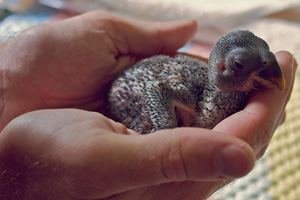

How to Choose a Healthy Eclectus Parrot Chick
Knowing how to choose a healthy Eclectus parrot chick is one of the most important decisions you will ever make as a future owner or breeder. Health issues in Eclectus parrots often originate early—sometimes before a chick ever leaves the breeder. Once problems are established, they can persist for life, even with excellent care.
Eclectus parrots are not forgiving of early mistakes. Improper diet, rushed weaning, poor hygiene, or stress during development can lead to chronic digestive issues, hormonal instability, feather problems, and behavioral sensitivity. This guide explains how to evaluate an Eclectus chick before purchase, what healthy development looks like, which red flags should stop the sale immediately, and how ethical sourcing protects both you and the bird long-term.
Why Choosing the Right Chick Matters So Much in Eclectus Parrots
Early Health Shapes the Entire Lifespan
In Eclectus parrots, early development directly affects:
- Digestive stability
- Nervous system regulation
- Feather quality
- Emotional resilience
Because they absorb nutrients so efficiently, errors made in the first weeks of life leave lasting effects.
Understanding why early health is critical in Eclectus parrot chicks helps buyers avoid heartbreak later.
“Looks Cute” Is Not a Health Standard
Many unhealthy chicks appear calm or quiet. In Eclectus parrots, silence is not reassurance—it can be compensation.
A healthy chick should show balanced alertness, not lethargy.
Age and Weaning Status: The First Health Filter
Never Buy an Unweaned Eclectus Chick
Selling unweaned Eclectus chicks is unethical and dangerous.
Unweaned chicks face:
- Aspiration risk
- Crop infections
- Feeding anxiety
- Improper social development
A responsible breeder will never ask you to finish weaning at home.
Understanding why unweaned Eclectus chicks should never be sold protects lives.
Proper Weaning Takes Time
A healthy Eclectus chick should:
- Eat solid foods independently
- Maintain weight without formula
- Show curiosity toward vegetables and sprouts
Rushed weaning often causes lifelong food insecurity.
Physical Health Checks: What to Observe Closely
Eyes: Clear, Bright, and Alert
Healthy Eclectus chicks have:
- Clear eyes
- No discharge or crusting
- Normal blinking
Cloudy, sunken, or sticky eyes are immediate red flags.
Nares (Nostrils): Clean and Dry
Check for:
- No wetness
- No bubbles
- No crusting
Any nasal discharge suggests respiratory or systemic issues.
Beak and Mouth Condition
A healthy chick shows:
- Smooth, symmetrical beak
- No cracks or softness
- Pink, moist mouth interior
White plaques, odor, or redness can indicate infection.
Understanding early beak health signs in Eclectus chicks helps spot problems quickly.
Feather and Skin Condition in Chicks
Feather Development Should Be Even
Healthy Eclectus chicks:
- Develop feathers gradually
- Show smooth pin-feather opening
- Do not have bald patches (outside normal stages)
Red flags include:
- Stress bars already visible
- Brittle or broken feathers
- Patchy development
This connects to feather health as an early indicator in Eclectus chicks.
Skin Should Be Clean and Intact
Watch for:
- No redness or sores
- No flaking beyond mild molt dryness
- No excessive scratching
Skin irritation at chick stage often signals diet or hygiene problems.
Weight, Posture, and Movement
Healthy Weight and Muscle Tone
A healthy chick feels:
- Solid, not bony
- Warm, not cold
- Balanced when perched
Ask the breeder:
- Hatch date
- Growth chart
- Recent weights
Responsible breeders track weight daily.
Posture and Coordination
Observe whether the chick:
- Stands evenly
- Moves confidently
- Climbs without falling
Weakness or poor coordination is not “clumsiness”—it’s a warning sign.
Behavior: What Healthy Eclectus Chicks Act Like
Calm, Curious, and Observant
Healthy Eclectus chicks are:
- Calm but alert
- Curious without panic
- Willing to observe new things
They are not hyperactive or shut down.
Understanding normal behavior in healthy Eclectus parrot chicks prevents misinterpretation.
Red-Flag Behaviors
Walk away if the chick:
- Sleeps excessively
- Sits fluffed while awake
- Avoids movement
- Refuses food
These are not personality traits.
Feeding History: Ask Detailed Questions
What Has the Chick Been Fed?
Ask specifically about:
- Formula brand and composition
- Use (or non-use) of supplements
- Fresh foods introduced
Eclectus chicks should not be raised on heavily fortified formulas long-term.
This relates directly to vitamin sensitivity in Eclectus parrot chicks.
Is the Chick Eating Fresh Foods?
A healthy, properly weaned chick should already accept:
- Vegetables
- Sprouts
- Soft whole foods
A seed-only or pellet-only chick is a red flag.
Hygiene and Breeder Environment
Cleanliness Reflects Health Standards
Observe:
- Brooder or nursery cleanliness
- Food bowl hygiene
- Absence of foul odors
Poor hygiene early often leads to chronic digestive issues.
Breeder Transparency Matters
A responsible breeder will:
- Answer detailed questions
- Show parents (if possible)
- Share hatch and weaning records
- Encourage avian vet checks
Avoid sellers who rush or deflect.
Understanding how to identify ethical Eclectus parrot breeders protects buyers and birds alike.
Veterinary Records and Health Guarantees
What to Ask For
Ideally, the breeder provides:
- Recent avian vet check
- Disease testing (where applicable)
- Written health guarantee
While guarantees are not foolproof, refusal to discuss health is a red flag.
Common Red Flags That Should End the Sale Immediately
Do not buy if:
- The chick is unweaned
- The seller minimizes diet importance
- You are pressured to decide quickly
- The chick appears lethargic or underweight
- Questions are discouraged
Walking away is sometimes the most ethical choice.
Preparing for the Chick Before Purchase
Have These Ready First
Before bringing a chick home:
- Appropriate cage setup
- Fresh food plan
- Avian vet contact
- Calm environment
Buying first and preparing later leads to stress-related setbacks.
Ethical Perspective on Choosing a Chick
You Are Choosing a Lifetime Outcome
Choosing how to choose a healthy Eclectus parrot chick is not about perfection—it is about reducing preventable suffering. Ethical buyers refuse to support poor practices, even when it means waiting longer or paying more.
Healthy starts create:
- Stable digestion
- Balanced behavior
- Strong immunity
- Better long-term bonding
Final Thoughts
Learning how to choose a healthy Eclectus parrot chick requires patience, observation, and the courage to say no when something feels wrong. Eclectus parrots carry early experiences for life. A healthy chick is not just one that survives—it is one that thrives quietly, steadily, and confidently.
When buyers prioritize health, ethics, and proper development over convenience or impulse, they set the foundation for decades of companionship built on stability and trust. In Eclectus ownership, the right beginning is everything.