
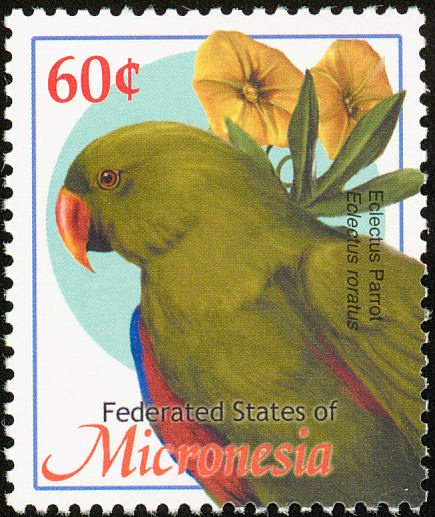

Eclectus Parrot Legal Requirements by Country
Understanding Eclectus parrot legal requirements by country is just as important as understanding diet, housing, or temperament. Many owners focus on care and cost, yet legal compliance is what determines whether you can keep, transport, sell, or even enter a country with an Eclectus parrot.
Eclectus parrots are internationally regulated wildlife species. Laws governing their ownership vary widely by country and often change without notice. Failing to meet legal requirements can result in confiscation, fines, forced rehoming, or permanent loss of the bird—regardless of intent.
This guide explains how Eclectus parrots are regulated globally, what documents are commonly required, how rules differ by country, and how to verify compliance before you buy, import, or relocate with an Eclectus parrot.
Why Eclectus Parrots Are Legally Regulated
Native Species With International Protection
Eclectus parrots originate from regions where wildlife trade is closely monitored. Because of historical overcollection and habitat pressure, they fall under international wildlife regulations designed to prevent exploitation.
This is why legal ownership of Eclectus parrots depends on country-specific wildlife laws, not just local pet rules.
Captive-Bred Does Not Always Mean Unrestricted
Even captive-bred Eclectus parrots may still require:
- Proof of legal origin
- Breeder documentation
- Transfer records
Captive breeding reduces restrictions in some countries—but not all.
International Frameworks That Affect Eclectus Parrot Ownership
CITES (Convention on International Trade in Endangered Species)
Eclectus parrots are regulated under CITES, which controls:
- International trade
- Import and export
- Commercial movement
CITES does not automatically allow trade—it regulates how it happens.
Understanding CITES requirements for Eclectus parrots is essential for international buyers and breeders.
What CITES Typically Requires
For international movement, you may need:
- Export permit from the country of origin
- Import permit from the destination country
- Proof of captive breeding
- Identification details (band or microchip, where applicable)
Domestic ownership rules are set separately by each country.
Common Legal Documents Required Worldwide
Although laws vary, most countries require some combination of the following.
Proof of Legal Origin
This may include:
- Breeder certificate
- Sales invoice with breeder details
- Hatch certificate or closed leg band information
This protects against illegal wildlife trade.
Import / Export Permits (If Crossing Borders)
Required when:
- Buying from another country
- Relocating internationally
- Traveling long-term with your parrot
Never assume permits are optional.
Health Certificates
Many countries require:
- Veterinary health certificates
- Disease testing (especially for imports)
Health paperwork is often time-sensitive.
Eclectus Parrot Legal Requirements by Country (Key Examples)
⚠️ Laws change frequently. Always verify with official government or wildlife authorities before acting.
🇺🇸 United States
In the U.S.:
- Eclectus parrots are legal to own federally
- CITES paperwork is required for imports
- Interstate sales are generally allowed if birds are captive-bred
However:
- Some states or cities may impose additional rules
- Documentation proving legal origin is strongly recommended
Understanding Eclectus parrot ownership laws in the United States is crucial for interstate buyers.
🇬🇧 United Kingdom
In the UK:
- Eclectus parrots are legal to own
- CITES Article 10 certificates may be required for commercial activity
- Proof of captive breeding is often necessary
Selling, breeding, or advertising without proper documentation can be illegal.
Understanding UK legal requirements for Eclectus parrots is essential for breeders and sellers.
🇪🇺 European Union (EU Countries)
Across the EU:
- CITES regulations are enforced uniformly
- Individual countries may add stricter rules
- Article 10 certificates are commonly required for sale
Movement between EU countries may still require documentation.
Understanding Eclectus parrot laws within the European Union helps avoid cross-border issues.
🇨🇦 Canada
In Canada:
- Eclectus parrots are legal to own
- Importing requires CITES permits and Canadian wildlife approval
- Provincial rules may apply
Buying domestically is simpler than importing.
Understanding Eclectus parrot import rules in Canada prevents border complications.
🇦🇺 Australia
Australia has some of the strictest wildlife laws.
- Native Eclectus parrots are protected
- Private ownership may require permits
- Importing parrots is extremely restricted
Regulations vary by state and territory.
Understanding Australian laws on Eclectus parrot ownership is critical before any purchase.
Countries With Stricter or Special Regulations
Some countries:
- Ban private ownership of certain parrots
- Require special licenses
- Restrict breeding or sale
Others allow ownership but tightly regulate movement and trade.
This is why checking country-specific Eclectus parrot laws before buying is non-negotiable.
Selling, Breeding, or Rehoming: Legal Triggers
When Ownership Becomes a Legal Activity
You may need additional permits if you:
- Sell an Eclectus parrot
- Breed Eclectus parrots
- Advertise parrots for sale
- Rehome across borders
Private ownership rules often differ from commercial activity rules.
Transporting Eclectus Parrots Legally
Domestic Transport
Usually requires:
- Secure transport conditions
- Health documentation (sometimes)
International Transport
Always requires:
- CITES permits
- Airline approval
- Approved travel crates
- Veterinary certificates
Failure to comply can result in confiscation at the border.
Understanding legal transport requirements for Eclectus parrots protects both bird and owner.
Common Legal Mistakes Owners Make
Assuming the Breeder “Handled Everything”
Legal responsibility often transfers to the buyer.
Buying Without Documentation
Verbal assurances mean nothing legally.
Moving Countries Without Planning
Relocation without permits is one of the most common causes of confiscation.
How to Verify Legal Requirements Safely
Before buying or importing:
- Contact wildlife or agriculture authorities
- Confirm CITES status and permit needs
- Ask for documentation before payment
Never rely solely on online advice or social media groups.
Ethical Responsibility and Legal Compliance
Legal ≠ Ethical, But Ethics Require Legal Compliance
Ethical ownership includes:
- Respecting wildlife laws
- Supporting legal breeders
- Avoiding illegal trade
Understanding ethical responsibility in legally owning Eclectus parrots protects conservation efforts and animal welfare.
Final Thoughts
Understanding Eclectus parrot legal requirements by country is not optional—it is part of responsible ownership. Laws exist to protect both parrots and ecosystems, and ignorance does not prevent enforcement.
Before buying, importing, breeding, or relocating with an Eclectus parrot, verify legal requirements directly with official authorities. Doing so protects your bird from confiscation, protects you from penalties, and supports ethical, sustainable aviculture worldwide.
When it comes to Eclectus parrots, legal preparation is just as important as proper care.