
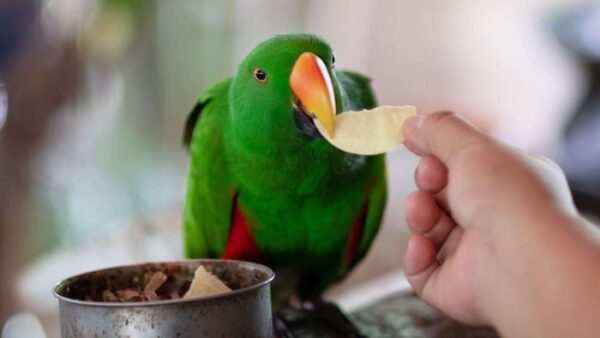

Environmental Enrichment for Eclectus Parrots
Environmental enrichment for Eclectus parrots is not about keeping them busy—it is about keeping them balanced. This species does not respond well to overstimulation, clutter, or random novelty. Instead, Eclectus parrots thrive when their environment supports calm choice, predictable routines, and meaningful mental engagement that mirrors how they evolved to live.
Many common behavior and health issues seen in Eclectus parrots—withdrawal, hormonal behavior, feather problems, digestive imbalance—are not caused by “bad temperament.” They are often the result of poor environmental design. This guide explains what enrichment truly means for Eclectus parrots, how it differs from other species, and how to create an environment that supports emotional stability, physical health, and long-term welfare.
Why Environmental Enrichment Is Critical for Eclectus Parrots
Enrichment Prevents Stress Before It Appears
Eclectus parrots are highly observant and internally regulated. When their environment lacks:
- Choice
- Predictability
- Appropriate stimulation
they do not act out immediately. Instead, stress accumulates quietly.
Understanding why environmental enrichment is essential for Eclectus parrots helps owners prevent problems rather than react to them.
Calm Is Not the Same as Fulfilled
A quiet Eclectus parrot may appear “easy,” but calm without engagement often indicates under-stimulation. Enrichment should support healthy calm, not emotional shutdown.
How Eclectus Parrots Experience Their Environment
Evolution Shapes Their Needs
In the wild, Eclectus parrots:
- Forage across large areas
- Make constant choices
- Avoid stressors by moving away
- Engage their minds throughout the day
Captivity removes these choices. Enrichment must replace them intentionally.
Understanding how Eclectus parrots interact with their environment is the foundation of ethical care.
Too Much Stimulation Is Also Harmful
Unlike Macaws or Conures, Eclectus parrots do not thrive in chaotic, toy-packed spaces. Overcrowding the cage or rotating toys too often can increase anxiety.
The Core Pillars of Eclectus Parrot Enrichment
Enrichment Is Not Just Toys
True enrichment for Eclectus parrots includes:
- Environmental design
- Foraging opportunities
- Mental choice
- Sensory balance
- Emotional security
Toys are only one piece of the puzzle.
Foraging: The Most Important Form of Enrichment
Why Foraging Matters More Than Play
Foraging is the single most natural and beneficial enrichment activity for Eclectus parrots. In the wild, finding food takes time, thought, and movement.
Foraging supports:
- Mental engagement
- Digestive regulation
- Emotional stability
Understanding foraging enrichment for Eclectus parrots is essential for daily care.
Simple, Low-Stress Foraging Ideas
Effective foraging does not mean complicated puzzles.
Good options include:
- Vegetables clipped to cage bars
- Food hidden in paper cups
- Leafy greens woven through perches
- Shallow trays with scattered produce
The goal is gentle problem-solving, not frustration.
Toy Selection: Less Is More
Choosing the Right Toys for Eclectus Parrots
Eclectus parrots prefer:
- Natural textures
- Shreddable materials
- Quiet interaction
Avoid toys that are:
- Overly loud
- Flashy or chaotic
- Designed for aggressive chewers
Understanding how to choose appropriate toys for Eclectus parrots prevents overstimulation.
Toy Rotation Should Be Slow and Intentional
Rotate toys:
- Infrequently
- One at a time
- With observation
Sudden, frequent changes can trigger stress rather than enrichment.
Cage Layout as Environmental Enrichment
Space Design Matters More Than Size Alone
A well-designed cage should include:
- Clear movement paths
- Multiple perch heights
- Visual security zones
Cluttered cages reduce a parrot’s sense of control.
Understanding cage setup as enrichment for Eclectus parrots improves both comfort and behavior.
Perches Are Enrichment Tools
Use:
- Natural wood perches
- Varying diameters
- Stable placements
Perch variety supports foot health and physical engagement without chaos.
Sensory Enrichment: Balance Is Key
Visual Environment
Eclectus parrots are sensitive to visual overload.
Support them with:
- Calm surroundings
- Consistent cage placement
- Limited visual clutter
Avoid constantly moving the cage or exposing the bird to nonstop activity.
Auditory Environment
They respond best to:
- Natural household sounds
- Calm voices
- Predictable noise patterns
Constant loud music or sudden noise spikes increase stress.
Understanding sensory enrichment needs of Eclectus parrots helps maintain emotional stability.
Social Enrichment Without Overdependence
Quality Interaction Over Quantity
Eclectus parrots value:
- Calm presence
- Respectful interaction
- Choice-based engagement
They do not benefit from constant handling or forced play.
Understanding healthy social enrichment for Eclectus parrots prevents emotional overbonding.
Encouraging Independent Engagement
A healthy environment allows the parrot to:
- Play alone
- Observe quietly
- Engage without human prompting
Independence is a sign of emotional security, not detachment.
Environmental Enrichment and Hormonal Balance
Poor Enrichment Triggers Hormones
Lack of appropriate enrichment can:
- Increase nesting behaviors
- Intensify territorial responses
- Disrupt hormonal cycles
This is especially true for females.
Understanding how enrichment affects hormonal behavior in Eclectus parrots helps prevent chronic issues.
Avoid Nest-Triggering Enrichment
Do not use:
- Enclosed huts
- Dark boxes
- Cozy hideouts
These are not enrichment—they are hormonal triggers.
Daily Enrichment Routine Example
A Balanced Enrichment Day
A healthy day might include:
- Morning foraging with fresh vegetables
- Quiet observation time
- Independent toy interaction
- Gentle social interaction
- Evening calm routine
Consistency matters more than novelty.
Signs Your Enrichment Is Working
Positive indicators include:
- Calm alertness
- Independent play
- Stable appetite
- Healthy feather condition
- Predictable behavior
These signs reflect successful environmental enrichment in Eclectus parrots.
Signs of Inadequate or Excessive Enrichment
Warning signs include:
- Withdrawal
- Frantic behavior
- Feather damage
- Increased hormonal behavior
- Digestive issues
Adjust enrichment gradually rather than making sudden changes.
Common Enrichment Mistakes to Avoid
Treating Eclectus Parrots Like Other Species
What works for Macaws or Greys may overwhelm Eclectus parrots.
Overloading the Cage
More toys do not equal better enrichment.
Confusing Entertainment With Welfare
Enrichment should support the parrot’s needs, not human amusement.
Avoiding these mistakes supports long-term emotional health in Eclectus parrots.
Ethical Perspective on Environmental Enrichment
Enrichment Is a Responsibility, Not an Extra
Ethical ownership means:
- Designing environments intentionally
- Respecting species-specific needs
- Preventing stress before it manifests
Understanding ethical enrichment practices for Eclectus parrots is part of responsible care.
Final Thoughts
Environmental enrichment for Eclectus parrots is about creating a life that makes sense to them—not one that looks busy to us. These parrots evolved for choice, calm problem-solving, and subtle engagement. When enrichment honors those needs, Eclectus parrots become emotionally stable, physically healthy, and deeply content companions.
The most successful enrichment plans are not loud, complicated, or constantly changing. They are thoughtful, consistent, and respectful. When environment, routine, and enrichment align with nature, many common “Eclectus problems” quietly disappear.
In Eclectus care, enrichment is not decoration. It is prevention.