Aviary & Care Standards at Exotic Birds Farm
Our Care Philosophy
Birds First, Always
At Exotic Birds Farm, our care philosophy begins with a simple principle: birds come before volume, speed, or profit. Every standard we follow is built around the physical, emotional, and behavioral wellbeing of the birds in our care.
Exotic birds are intelligent, sensitive animals with long lifespans and complex social needs. Treating them responsibly requires patience, structure, and respect for their natural behaviors. For this reason, we do not operate on mass-production models or shortcut-based systems.
This philosophy guides how we design our aviaries, manage breeding cycles, socialize young birds, and prepare them for life beyond our facility.
Welfare as the Foundation of Every Decision
Welfare is not a single practice — it is a framework that influences every stage of care. From enclosure design to daily routines, our systems are built to minimize stress, encourage natural behavior, and support emotional stability.
We believe that birds raised in calm, predictable environments develop stronger confidence and adaptability. This is why our standards emphasize space, enrichment, routine, and gentle handling rather than constant stimulation or forced interaction.
These principles support our ability to responsibly offer hand-raised parrots that are better prepared for long-term success in informed homes.
Ethical Responsibility Beyond Breeding
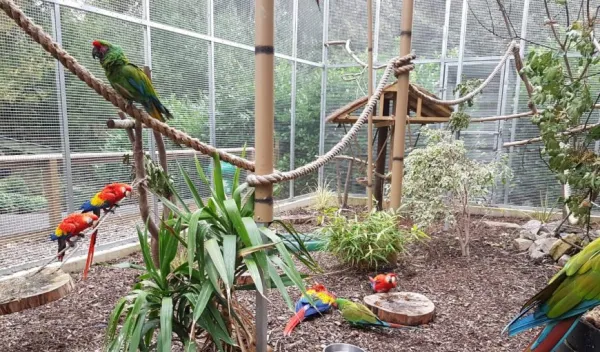
Our care philosophy extends beyond the birds themselves to the responsibility we hold as caretakers and educators. Ethical aviculture is not limited to producing healthy birds — it includes ensuring that placements are thoughtful, transparent, and appropriate.
We view education as part of care. Helping future owners understand species needs, long-term commitments, and behavioral expectations is essential to reducing rehoming and preventable welfare issues. This approach aligns with our broader commitment to responsible exotic bird ownership.
Standards Informed by Experience and Research
While our practices are shaped by years of hands-on aviculture experience, they are also informed by established guidance within the wider animal welfare community. We follow principles consistent with recognized avian welfare and captive care standards , particularly those emphasizing enrichment, stress reduction, and ethical management.
By combining experience with evidence-based guidance, we maintain standards that are practical, humane, and continuously evolving.
Aviary Design & Living Environments
Designed Around Natural Behavior
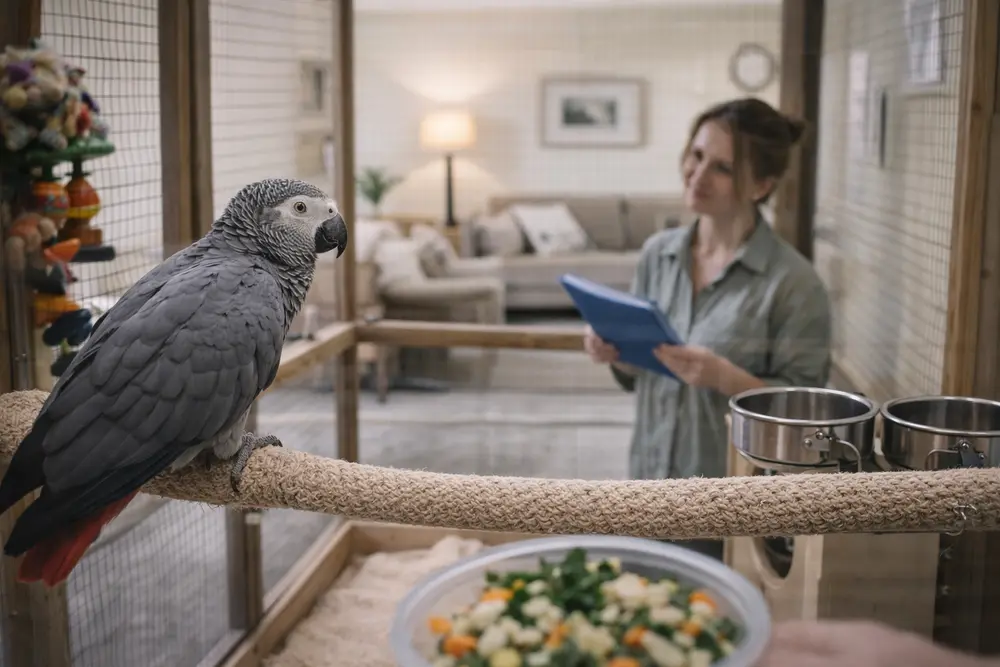
At Exotic Birds Farm, aviary design is not based on convenience or aesthetics alone. Every living environment is planned around the natural behaviors of the species it houses. Space, layout, and structure are chosen to encourage movement, exploration, and calm interaction rather than confinement or overstimulation.
Birds need room to perch, climb, observe, and retreat when necessary. For this reason, our aviaries are designed to provide both open areas and quiet zones, allowing birds to regulate their own comfort and social distance throughout the day.
This environment plays a critical role in reducing stress-related behaviors and supporting long-term emotional stability.
Hygiene, Airflow, and Routine Stability
A healthy living environment goes beyond visible cleanliness. Proper airflow, natural light cycles, and predictable routines are essential to maintaining physical health and emotional balance.
Our aviaries are maintained through structured cleaning schedules that reduce contamination without disrupting daily rhythms. Birds benefit from consistent routines, as predictability helps reduce anxiety and supports a sense of security.
These principles align with established captive bird housing and hygiene recommendations, particularly those emphasizing routine stability and environmental control.
Space, Enrichment, and Daily Comfort
Adequate space is essential for both physical health and mental wellbeing. Overcrowding and constant proximity can increase anxiety and aggression in exotic birds. Our standards prioritize appropriate spacing, clean perching areas, and enrichment that encourages natural activity.
Enrichment is introduced thoughtfully and rotated regularly. Items such as perches, foraging opportunities, and climbing structures are selected based on species needs rather than novelty alone. This helps maintain curiosity without overwhelming the birds.
These practices directly support the welfare standards behind our ethical exotic bird care practices and contribute to the consistent behavior and confidence we look for before placement.
Preparing Birds for Life Beyond the Aviary
Living environments are also designed with the future in mind. Birds raised in calm, enriched, and structured spaces are better prepared to adapt to new homes, new caretakers, and new routines.
This approach supports our ability to responsibly place birds through our exotic birds for sale while minimizing adjustment challenges after arrival.
By treating the aviary as both a home and a learning environment, we help birds transition with confidence rather than stress.
Ethical Breeding Standards
Breeding With Purpose, Not Pressure
At Exotic Birds Farm, breeding is approached with care, restraint, and responsibility. We do not view breeding as a production cycle, but as a long-term commitment to the wellbeing of both parent birds and offspring. Every breeding decision is made with the health, temperament, and future quality of life of the birds in mind.
We avoid practices that prioritize output over welfare. Instead, our standards focus on balance — allowing birds to breed naturally, without pressure, and only when conditions support physical health and emotional stability.
This approach supports our broader commitment to ethical exotic bird breeding and reinforces trust across all areas of our operation.
Careful Pair Selection and Compatibility
Breeding pairs are never chosen at random. Compatibility, temperament, health history, and observed bonding behaviors all play an important role in pair selection. Birds that show signs of stress, incompatibility, or fatigue are not forced into breeding cycles.
Respecting natural pair dynamics helps reduce aggression, abandonment, and stress-related behaviors, while also supporting healthier offspring. These practices are essential for maintaining stable breeding environments and long-term welfare.
Rest Cycles and Breeding Limits
Ethical breeding includes knowing when not to breed. Parent birds are given adequate rest periods between breeding cycles to allow for physical recovery and emotional balance. Continuous or excessive breeding is avoided, even when demand is high.
This restraint protects long-lived species from exhaustion and helps ensure that young birds are raised by parents that are calm, healthy, and capable. It also allows us to responsibly offer hand-raised parrots without compromising standards.
Genetic Responsibility and Long-Term Health
Genetic responsibility is a critical part of ethical breeding. We avoid practices that encourage inbreeding, extreme traits, or breeding solely for appearance. Instead, our focus remains on producing birds with strong health foundations, balanced temperaments, and natural behavioral traits.
These standards are consistent with guidance found in responsible avian breeding and genetics research, which emphasizes health and diversity over visual extremes.
By placing long-term wellbeing above short-term trends, we help protect the future of the species we work with.
Hand-Raising & Early Development
A Gentle and Structured Start
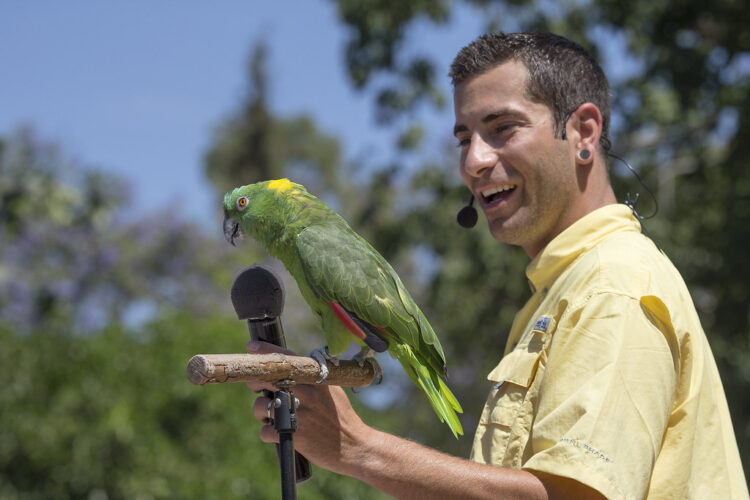
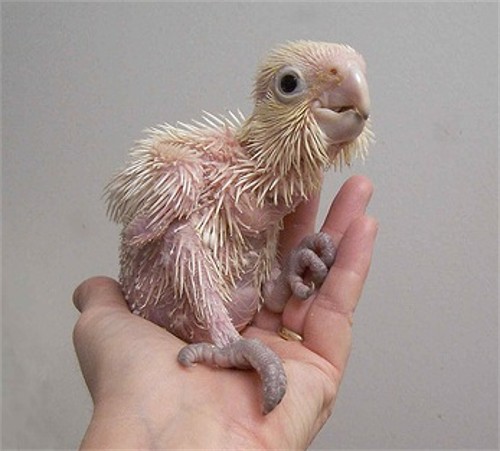
Hand-raising is approached with patience and consistency at Exotic Birds Farm. This early stage of development plays a critical role in shaping a bird’s confidence, adaptability, and long-term relationship with humans.
Rather than accelerating development, we follow a gentle, structured approach that respects the natural pace of each species. Young birds are handled calmly and gradually, allowing trust to form without creating fear or dependency.
This method supports our ability to responsibly place hand-raised parrots that are emotionally balanced and prepared for life in new environments.
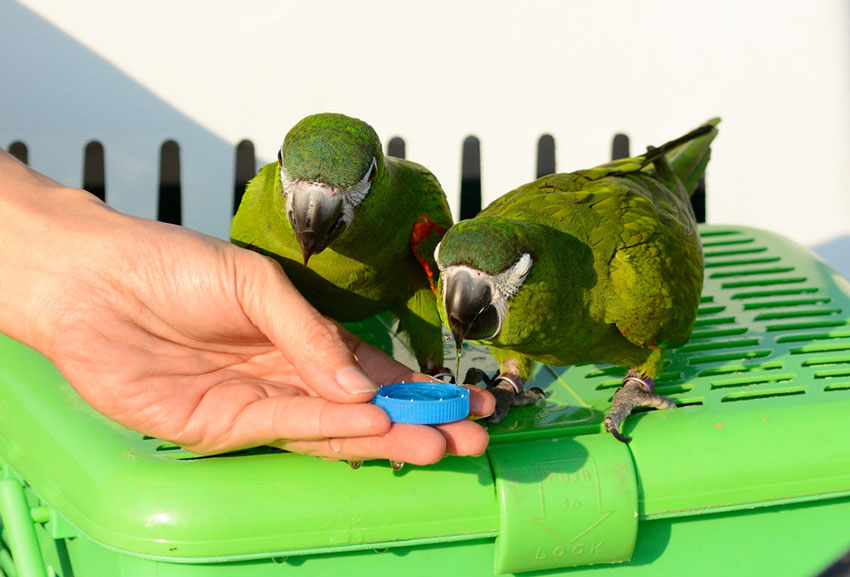
Consistent Feeding and Hygiene Standards
Feeding routines are maintained with strict consistency and cleanliness. Hand-feeding schedules are adapted to each bird’s age and species, ensuring proper nutrition while supporting healthy digestion and growth.
Hygiene is treated as essential, not optional. Feeding equipment and preparation areas are kept clean to reduce health risks and promote stability during early development.
These standards help create predictable routines that young birds can rely on, reducing stress during a sensitive stage of life.
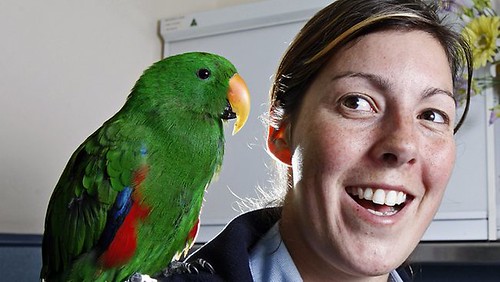
Balanced Socialization Without Over-Dependence
Socialization is introduced gradually and thoughtfully. Birds are exposed to human presence, routine sounds, and gentle interaction without constant stimulation or excessive handling.
Our goal is to build trust while encouraging independence. Over-dependence can lead to behavioral challenges later in life, so we prioritize balance — allowing birds to develop confidence both with and without human interaction.
This approach aligns with principles found in positive parrot socialization and behavior development research, which emphasize consistency, patience, and respect for natural behavior.
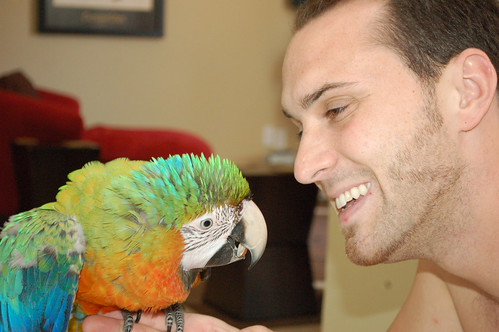
Preparing Birds for a Successful Transition
Early development is not only about the present — it is about preparing birds for the future. Birds raised in calm, predictable environments are better equipped to adjust to new homes, caretakers, and routines.
By focusing on early emotional stability, we help reduce transition stress and support smoother placements through our exotic birds for sale.
This preparation benefits both birds and owners, laying the groundwork for long-term success.
Nutrition & Daily Care
Species-Appropriate Nutrition, Not One-Size-Fits-All
At Exotic Birds Farm, nutrition is tailored to the specific needs of each species rather than treated as a generic routine. Different birds have different dietary requirements based on size, metabolism, natural habitat, and activity levels. For this reason, we avoid uniform feeding plans.
Daily diets are designed to support energy levels, feather condition, digestion, and long-term health. Fresh foods, quality base diets, and appropriate supplements are combined carefully to meet nutritional needs without excess or deficiency.
This approach helps us maintain the health and condition of birds offered through our exotic birds for sale.
Consistent Feeding Routines and Observation
Consistency plays a major role in bird wellbeing. Feeding schedules are kept predictable, allowing birds to feel secure and reducing stress associated with uncertainty or irregular routines.
Daily observation is part of feeding time. Appetite changes, behavior shifts, or physical signs are noted early, allowing us to adjust care promptly when needed. This ongoing attention helps prevent small issues from becoming larger health concerns.
Clean Water, Hygiene, and Environment Care
Access to clean water is essential and monitored daily. Water containers are cleaned and refreshed regularly to prevent contamination and maintain hygiene.
Daily care also includes routine enclosure checks, removal of waste, and maintenance of perches and feeding areas. These practices support overall health and contribute to a stable, comfortable environment for the birds.
Such standards reflect widely accepted avian nutrition and husbandry guidelines that emphasize cleanliness, consistency, and attentive care.
Supporting Long-Term Health Through Daily Care
Nutrition and daily care are not short-term concerns. Over time, consistent feeding, clean environments, and attentive routines contribute to stronger immunity, better behavior, and improved longevity.
These standards form a key part of our aviary care philosophy and help ensure that birds are physically prepared for life beyond our facility.
By focusing on daily care with intention, we support healthier outcomes for both birds and future owners.
Veterinary Oversight & Health Monitoring

Preventive Care Over Reactive Treatment
At Exotic Birds Farm, health care is approached proactively rather than reactively. Our goal is to prevent illness wherever possible through observation, hygiene, nutrition, and stable environments, rather than responding only when problems arise.
Birds are monitored regularly for physical condition, behavior changes, and overall vitality. Subtle signs such as appetite shifts, posture, or feather condition are taken seriously, as early detection is often the key to effective intervention.
This preventive mindset supports the long-term wellbeing of birds offered through our hand-raised parrots.
Routine Health Observation and Record Keeping
Health monitoring is integrated into daily care routines. Birds are observed during feeding, cleaning, and interaction to identify any changes that may indicate stress or discomfort.
Where appropriate, basic health records are maintained to track development, behavior, and any notable observations over time. This consistency allows us to make informed care decisions and maintain continuity throughout each bird’s development.
Hygiene, Biosecurity, and Risk Reduction
Biosecurity plays an important role in protecting bird health. Access to living areas is controlled, hygiene protocols are followed, and environments are kept clean to reduce the risk of contamination or disease transmission.
Equipment, feeding areas, and enclosures are maintained using structured cleaning routines that balance cleanliness with minimal disruption to daily rhythms. These practices help protect both individual birds and the wider aviary population.
Our standards are consistent with widely accepted avian health and disease prevention guidelines, particularly those focused on hygiene and stress reduction.
Knowing When to Seek Veterinary Support
While daily monitoring handles most aspects of care, we recognize the importance of professional veterinary involvement when needed. When concerns arise beyond routine observation, appropriate veterinary consultation is sought to ensure birds receive proper attention.
This balanced approach ensures that veterinary care is available when necessary, without subjecting birds to unnecessary handling or stress.
Veterinary oversight is a core part of our aviary care standards and reflects our commitment to responsible, informed care.
Behavioral Health & Enrichment
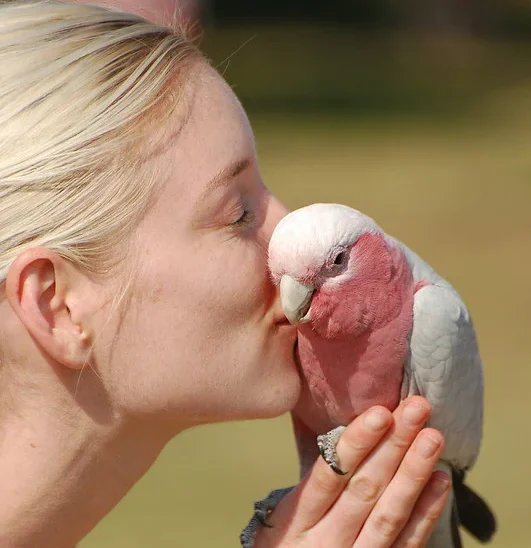
Supporting Mental and Emotional Wellbeing
Behavioral health is just as important as physical health for exotic birds. Parrots and other exotic species are highly intelligent and emotionally aware, and without proper stimulation, they can develop stress-related behaviors over time.
At Exotic Birds Farm, we prioritize calm, predictable environments that allow birds to feel secure while remaining mentally engaged. This balance supports confidence, curiosity, and emotional stability throughout development.
Enrichment That Reflects Natural Behavior
Enrichment is designed to encourage behaviors birds would naturally display in the wild. Rather than relying on constant novelty, we focus on meaningful enrichment such as foraging opportunities, climbing structures, and varied perching options.
Items are introduced gradually and rotated thoughtfully to maintain interest without overwhelming the birds. This approach helps reduce boredom while avoiding overstimulation.
These practices support the behavioral standards behind our ethical exotic bird care practices and contribute to healthier long-term outcomes.
Observation and Early Intervention
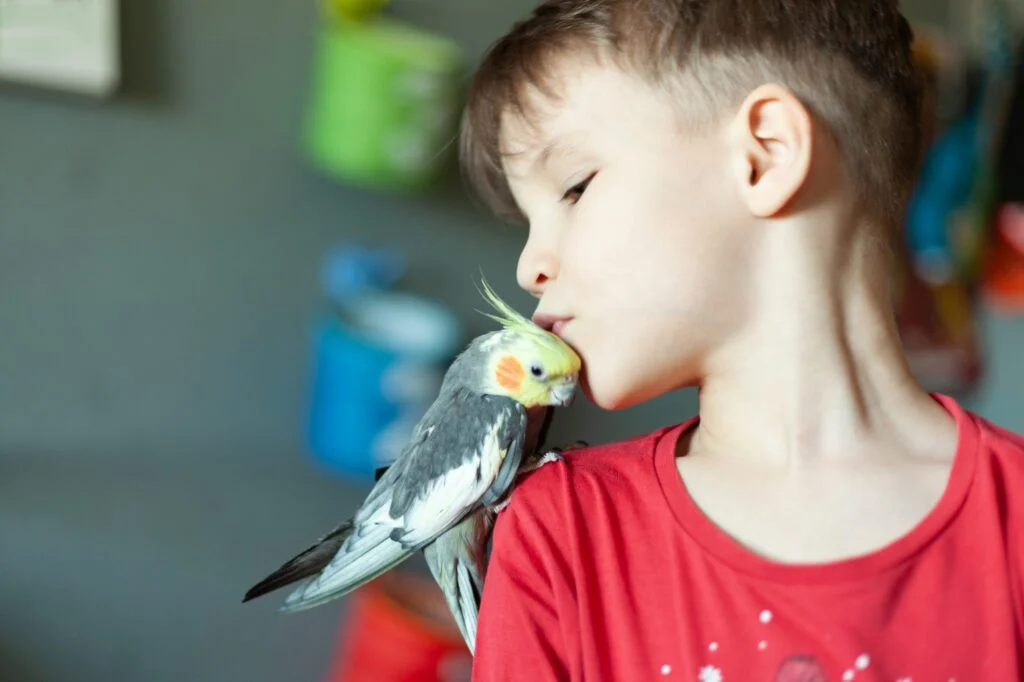
Behavioral wellbeing is monitored daily through observation of posture, interaction, vocalization, and activity levels. Changes in behavior are often the earliest signs of stress or discomfort.
When adjustments are needed, enrichment, routines, or environments are modified to restore balance. Addressing behavioral signals early helps prevent escalation into more serious challenges.
Our approach aligns with guidance found in avian behavioral health and enrichment research, which emphasizes proactive observation and environment-based solutions.
Preparing Birds for Life Beyond Our Aviary
Behavioral enrichment is also about preparation. Birds raised with appropriate mental stimulation and routine flexibility are better equipped to adapt to new homes, caretakers, and daily rhythms.
This preparation supports smoother transitions for birds placed through our exotic birds for sale (internal link → Exotic Birds for Sale page) and helps reduce adjustment stress after arrival.
By treating enrichment as a core component of care, we support healthier behavior and stronger long-term bonds between birds and owners.
Transparency & Placement Responsibility
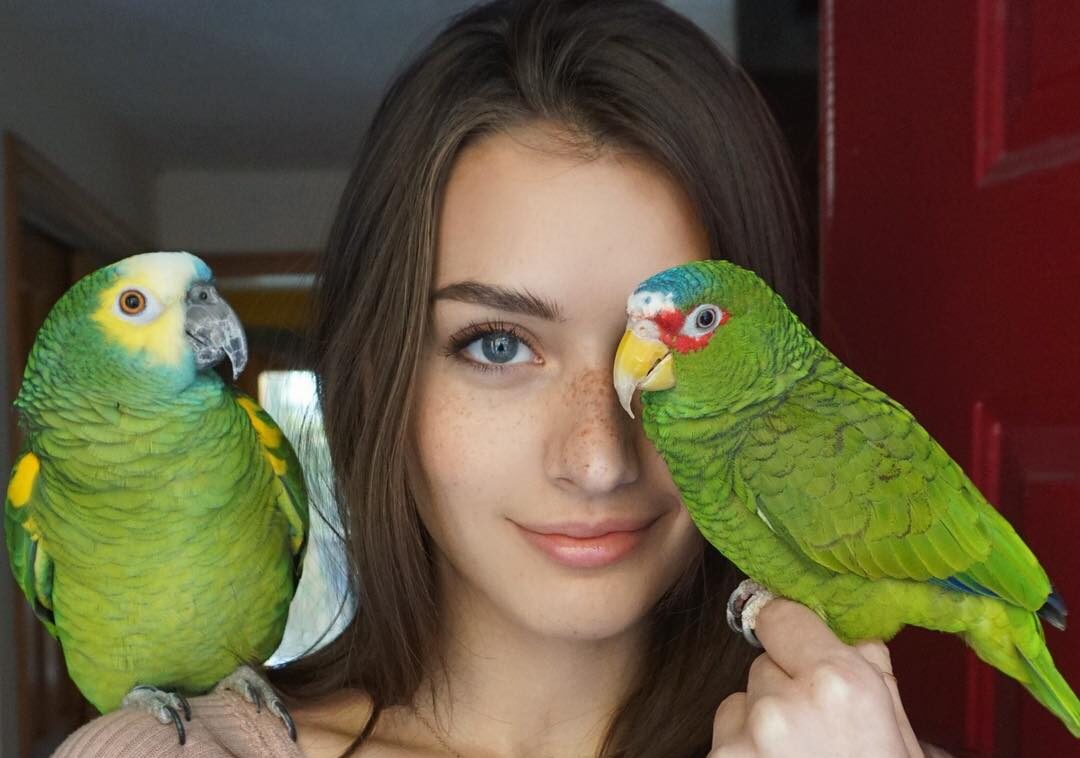
At Exotic Birds Farm, transparency is treated as a responsibility, not a sales tool. We believe that responsible placement begins with honest communication about each bird’s needs, temperament, and long-term care requirements.
We avoid exaggerated claims or unrealistic expectations. Instead, we focus on providing clear, practical information that helps prospective owners understand what living with an exotic bird truly involves — both the rewards and the responsibilities.
This transparency supports informed decisions and contributes to more successful, lasting placements.
Placement responsibility goes beyond availability. Not every bird is suitable for every home, and not every request results in placement. We take time to consider species traits, owner experience, lifestyle factors, and long-term commitment before proceeding.
This approach helps reduce rehoming and stress-related outcomes while supporting healthier relationships between birds and owners. It is a core part of our responsible bird placement standards.
Responsible care also means knowing when to say no. Requests that do not align with welfare standards, legal requirements, or long-term wellbeing may be declined.
These boundaries are not obstacles — they are safeguards designed to protect birds from unsuitable conditions and owners from commitments they may not be prepared to meet.
Our placement philosophy aligns with principles outlined in responsible exotic bird ownership guidance, reinforcing the importance of ethical decision-making.
Placement is not the end of responsibility. We encourage ongoing learning and preparation, recognizing that exotic bird care evolves over time. By fostering open communication and education, we help owners navigate changes, challenges, and growth throughout a bird’s life.
This shared responsibility strengthens outcomes for birds and owners alike and reflects the values that guide all aspects of our aviary care standards.
Continuous Improvement & Accountability
Evolving Standards, Not Fixed Claims
At Exotic Birds Farm, we recognize that responsible aviculture is not static. Standards evolve as knowledge improves, research advances, and experience deepens. For this reason, our care practices are regularly reviewed and refined rather than treated as fixed claims.
We remain open to improvement — whether that means adjusting enrichment strategies, refining socialization methods, or updating care routines to reflect better understanding of bird welfare.
This mindset allows our aviary care standards to remain relevant, practical, and aligned with real-world outcomes.
Accountability Through Transparency and Practice
Accountability is demonstrated through action, not statements. Our standards are reflected in daily routines, care decisions, and the condition of the birds themselves.
We encourage owners and partners to evaluate our practices based on consistency, clarity, and results rather than promises. This approach reinforces trust and supports informed decision-making across all areas of our work.
Commitment to Long-Term Responsibility
Our responsibility does not end with placement or delivery. We view ourselves as long-term stewards of the birds we raise and the standards we promote.
By committing to ongoing learning, ethical boundaries, and transparency, we aim to contribute positively to the broader exotic bird community. This commitment aligns with principles found in ethical animal stewardship and welfare frameworks.
The future of exotic bird care depends on responsibility today — and we take that responsibility seriously.