
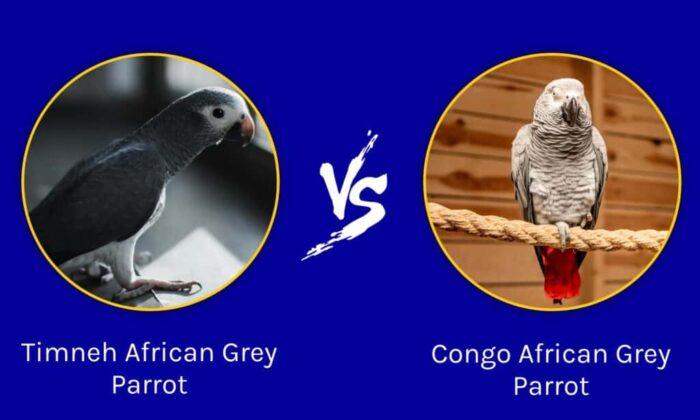

Timneh vs Congo African Grey
Choosing between a Timneh African Grey and a Congo African Grey is not a cosmetic decision. The Timneh vs Congo African Grey comparison involves differences in emotional sensitivity, adaptability, bonding patterns, environmental tolerance, and long-term ownership outcomes. While both parrots share extraordinary intelligence and communication ability, they thrive under different human lifestyles and care approaches.
This guide is written for serious parrot owners, breeders, and long-term planners who want clarity, not myths. Understanding these differences early prevents stress, behavioral breakdowns, and mismatched expectations that can affect a parrot for decades.
Understanding African Grey Parrot Diversity
African Grey Parrots are often discussed as a single species in casual conversations. However, meaningful distinctions exist between the Timneh and Congo types. These differences are not superficial. Instead, they reflect evolutionary adaptation, emotional processing styles, and social behavior patterns.
Therefore, selecting the right African Grey requires honest self-assessment rather than reputation-based choice.
Physical Differences: Timneh vs Congo African Grey
Size and Structure
The most obvious difference in the Timneh vs Congo African Grey comparison is size.
Congo African Greys are larger, longer-bodied, and visually striking. Their posture appears elegant and elongated, which contributes to their commanding presence. In contrast, Timneh African Greys are smaller and stockier, with a more compact frame.
This size difference influences:
- Handling confidence
- Bite force potential
- Space requirements
While size alone does not determine difficulty, it does affect how new owners perceive and respond to the bird.
Coloration and Visual Identity
Congo African Greys display light silver-grey feathers paired with a bright red tail. Timneh African Greys, however, have darker charcoal plumage and a deep maroon tail.
Although aesthetics should never drive selection, visual traits often shape owner expectations. As a result, understanding temperament alongside appearance is essential for ethical decision-making.
Emotional Sensitivity and Psychological Profile
Emotional Intensity vs Emotional Stability
One of the most important distinctions in the Timneh vs Congo African Grey debate lies in emotional processing.
Congo African Greys are emotionally intense. They form deep bonds, absorb household emotional energy, and respond strongly to changes in routine or caregiver mood. When handled well, this leads to profound connection. When mishandled, however, it often results in anxiety-driven behaviors.
Timneh African Greys, by contrast, tend to display emotional stability. They still bond deeply, but they recover more quickly from minor disruptions and generally tolerate gradual change with less distress.
This difference alone makes Timnehs more suitable for households that are calm but not perfectly rigid.
Bonding Patterns and Social Attachment
One-Person Bonds vs Balanced Relationships
Congo African Greys frequently form intense one-person attachments. While emotionally rewarding, this bond can lead to:
- Separation anxiety
- Jealousy toward other household members
- Behavioral regression during absences
Timneh African Greys often show more distributed bonding, engaging comfortably with multiple trusted individuals when socialized properly.
For families or shared households, this distinction significantly affects long-term harmony and welfare.
Intelligence and Learning Style
Same Intelligence, Different Approach
Both parrots rank among the most intelligent companion birds. However, intelligence expression differs.
Congo African Greys often:
- Observe extensively before acting
- Analyze context deeply
- Resist rushed training
Timneh African Greys more commonly:
- Engage sooner with new tasks
- Experiment without prolonged hesitation
- Respond positively to gentle structure
Therefore, training success depends more on matching technique to personality than raw intelligence.
Speech Development and Communication
Talking Ability in Context
Speech ability is often misunderstood in the Timneh vs Congo African Grey discussion. Both parrots are exceptional mimics. Differences are typically tonal rather than functional.
Congo African Greys may produce clearer, higher-pitched speech. Timneh African Greys often develop deeper, raspier vocal tones. However, speech development depends primarily on:
- Emotional security
- Contextual interaction
- Consistent verbal engagement
No African Grey should be selected solely for talking potential.
Environmental Tolerance and Daily Routine
Handling Change and Household Dynamics
Both parrots require structure. However, tolerance levels differ.
Timneh African Greys typically adapt more smoothly to:
- Minor schedule shifts
- Gradual environmental changes
- Multiple caregivers
Congo African Greys usually thrive best with:
- Highly consistent routines
- Stable surroundings
- Minimal unexpected change
Understanding this distinction is critical for owners with dynamic lifestyles.
Training Foundations and Ethical Handling
Calm Guidance Over Control
Training success depends on trust. Forced compliance damages confidence and long-term cooperation.
Effective training for both parrots emphasizes:
- Calm repetition
- Clear cues
- Respect for refusal
However, Congo African Greys often require slower pacing, while Timneh African Greys respond well to gentle consistency.
This approach aligns with ethical parrot training principles that prioritize psychological safety.
Common Behavioral Challenges
Congo African Grey Challenges
- Heightened anxiety under stress
- Feather-destructive behaviors when overwhelmed
- Strong reactions to unfamiliar people
Timneh African Grey Challenges
- Withdrawal if under-stimulated
- Reduced confidence if overprotected
- Hesitation if poorly socialized early
Importantly, these behaviors reflect environment and handling rather than inherent flaws.
Long-Term Outcomes of Proper vs Improper Care
When Care Is Correct
Correctly matched homes often experience:
- Stable emotional health
- Predictable behavior
- Lifelong companionship
Birds raised under consistent, ethical conditions tend to remain adaptable even into advanced age.
When Care Is Incorrect
Poor matching or inconsistent handling frequently results in:
- Chronic stress
- Behavioral deterioration
- Reduced quality of life
These outcomes are largely preventable through informed selection.
Which African Grey Is Right for You?
Choose a Timneh African Grey If You:
- Live in a family or shared household
- Prefer emotional resilience over intensity
- Want adaptability without sacrificing intelligence
Choose a Congo African Grey If You:
- Maintain a highly stable routine
- Seek deep one-on-one bonding
- Have experience managing sensitive parrots
Neither parrot is superior. Suitability determines success.
Final Perspective: Choosing With Responsibility
The Timneh vs Congo African Grey decision should always be rooted in ethics, realism, and long-term commitment. When expectations align with the bird’s nature, African Greys become emotionally secure companions rather than misunderstood captives.