
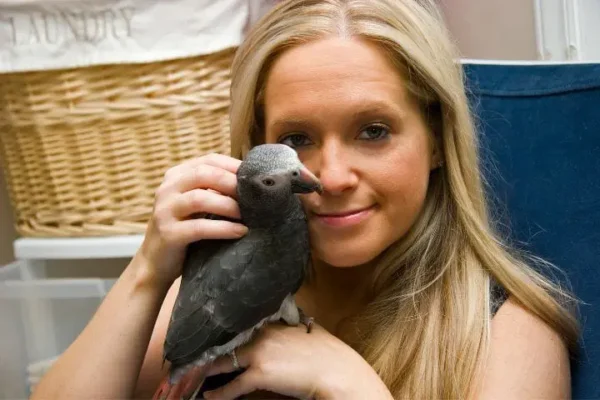

Timneh African Grey Talking Ability
The talking ability of African Grey parrots is legendary, yet few topics are surrounded by as much misunderstanding as Timneh African Grey talking ability. Many people assume that Timnehs talk less than Congo African Greys or that their speech is inferior. In reality, Timneh African Greys are highly capable vocal learners whose speech development depends far more on emotional security, environment, and interaction style than on subspecies.
This article provides a realistic, experience-based explanation of how Timneh African Greys learn to talk, what makes their speech unique, and what owners should — and should not — expect over the long term. The goal is to replace hype with understanding and set the foundation for ethical, frustration-free ownership.
Understanding Talking Ability in Parrots
Talking Is a Social Skill, Not a Trick
Parrot speech is not mimicry in the human sense. Instead, it is a social bonding behavior. Timneh African Greys use vocal learning to participate in their environment, not to perform on command.
Therefore, talking ability depends on:
- Emotional comfort
- Trust in caregivers
- Contextual repetition
- Calm, consistent exposure
Parrots that feel pressured, stressed, or overstimulated often talk less, not more.
Understanding this principle is essential when evaluating Timneh African Grey talking ability realistically.
Natural Vocal Traits of Timneh African Greys
Voice Tone and Sound Quality
Timneh African Greys typically develop a deeper, huskier, and sometimes raspier voice compared to Congo African Greys. This difference is purely tonal, not cognitive.
Common vocal characteristics include:
- Lower pitch speech
- Clear consonants
- Slightly gravelly tone
Many owners find Timneh speech surprisingly human-like due to its natural depth. However, because it is less high-pitched, some people mistakenly assume Timnehs “don’t talk as well.”
In truth, they often articulate exceptionally well.
How Timneh African Greys Learn to Talk
Observation Before Participation
Timneh African Greys tend to observe quietly before speaking. They listen, analyze patterns, and associate words with emotional context.
This learning style means:
- Speech may appear suddenly rather than gradually
- Long silent periods are normal
- Talking often begins once the bird feels fully secure
Silence in early months is not failure. It is processing.
Contextual Learning Over Repetition
Timnehs learn words best when they are emotionally meaningful. For example:
- Greetings when people enter a room
- Food-related words at mealtime
- Calm phrases during bonding moments
Random repetition without context rarely produces reliable speech.
This contextual sensitivity is a defining feature of Timneh African Grey talking ability.
Age and Speech Development
Juvenile Phase
Young Timneh African Greys often experiment with sounds before forming words. This stage may include:
- Whistles
- Environmental sounds
- Soft mumbling
Owners should respond calmly without pressure. Overreacting to early sounds can unintentionally disrupt confidence.
Adolescence and Young Adulthood
Many Timnehs begin speaking clearly during this phase. Speech may:
- Emerge suddenly
- Appear in full phrases
- Be used selectively
Not all Timnehs follow the same timeline. Delayed speech does not indicate limited ability.
Mature Adults
Adult Timneh African Greys often:
- Expand vocabulary slowly but meaningfully
- Use speech intentionally
- Associate words with specific people or situations
Some birds remain selective talkers, choosing silence unless motivated by connection.
Comparing Timneh and Congo African Grey Talking Ability
Style, Not Superiority
In discussions of African Grey parrots, Congo Greys are often labeled as “better talkers.” This reputation comes largely from:
- Higher-pitched speech
- Greater audibility
- More frequent vocalization
Timneh African Greys, however, often demonstrate:
- Comparable vocabulary size
- Clearer contextual use
- More deliberate communication
Therefore, the difference lies in expression style, not intelligence or capacity.
Factors That Strongly Influence Talking Ability
Emotional Security
A stressed Timneh rarely talks. Emotional security is the single most important factor influencing speech development.
Security comes from:
- Consistent routines
- Respectful handling
- Predictable human behavior
This is why ethical parrot socialization practices are fundamental to vocal success.
Environment and Noise Level
Timnehs often prefer moderate noise environments. Constant background noise can reduce motivation to vocalize meaningfully.
Quiet interaction periods support:
- Focused listening
- Word retention
- Confidence building
Human Interaction Style
Talking to a parrot works better than talking at one. Calm, natural speech builds connection and comprehension.
Excessive drilling or forcing repetition often leads to withdrawal.
Common Myths About Timneh African Grey Talking Ability
“Timnehs Don’t Talk as Much”
False. Many Timnehs talk extensively, but selectively. They often choose meaningful moments rather than constant chatter.
“If It Doesn’t Talk Young, It Never Will”
False. Some Timnehs begin speaking later than expected and develop impressive vocabularies over time.
“Talking Equals Intelligence”
False. Silence does not indicate lack of intelligence. Many highly intelligent parrots choose limited vocal output.
Understanding these myths prevents unrealistic expectations.
Ethical Considerations for Owners
Never Buy a Parrot for Talking Alone
Buying a Timneh African Grey solely for talking ability often leads to disappointment and neglect. Speech is a bonus, not a guarantee.
Ethical ownership focuses on:
- Emotional well-being
- Mental stimulation
- Lifelong companionship
Talking should emerge naturally, not be demanded.
This philosophy aligns with ethical parrot ownership principles.
Long-Term Outcomes When Speech Is Supported Correctly
Positive Outcomes
When supported ethically, Timneh African Greys often:
- Develop clear, meaningful speech
- Use language contextually
- Communicate preferences and emotions
Many owners report deeply satisfying verbal interactions rather than novelty-based mimicry.
Negative Outcomes
When pressured or mishandled, Timnehs may:
- Withdraw vocally
- Develop stress behaviors
- Lose confidence in interaction
These outcomes are preventable with patience and understanding.
Final Perspective: The Truth About Timneh African Grey Talking Ability
Timneh African Grey talking ability is real, impressive, and deeply tied to emotional security rather than training intensity. Timnehs are thoughtful communicators who value meaning over noise. They may not shout words constantly, but when they speak, it is often intentional, contextual, and emotionally rich.
For owners who value connection over performance, Timneh African Greys offer one of the most rewarding communication experiences in aviculture.