
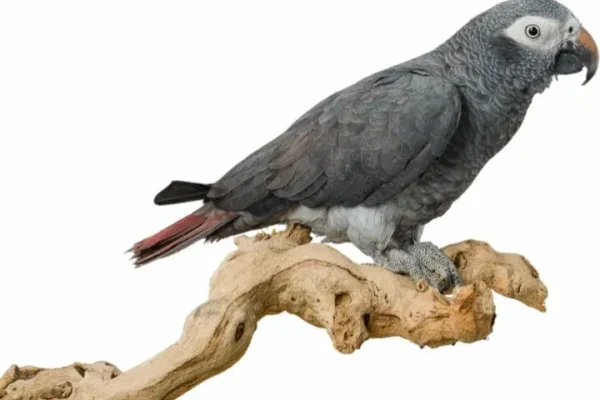

Timneh African Grey Lifespan & Aging Care
Understanding Timneh African Grey lifespan and aging care is essential for anyone considering this species as a lifelong companion. Timneh African Greys are not short-term pets. They are long-lived, emotionally complex parrots whose needs evolve gradually over decades. Owners who plan only for the early years often struggle later, while those who understand aging patterns from the beginning tend to experience stable, deeply rewarding relationships.
This article provides a realistic, professional overview of how long Timneh African Greys live, how aging affects their behavior and care needs, and how to support them ethically from youth through senior years. The focus is long-term welfare, not idealized longevity claims.
Understanding Lifespan in Timneh African Greys
Average Lifespan Expectations
Timneh African Greys commonly live 30 to 40 years when provided with consistent, ethical care. Some individuals may live longer; however, longevity should never be presented as a guarantee. Genetics, early development, environment, and long-term management all play decisive roles.
Therefore, Timneh African Grey lifespan and aging care must be viewed as a continuum rather than a fixed number of years.
What matters most is not how long a parrot lives, but how well it lives throughout each stage.
Lifespan vs Quality of Life
A parrot that survives many years under chronic stress or neglect has not truly benefited from longevity. Ethical ownership prioritizes:
- Emotional stability
- Physical comfort
- Mental engagement
- Predictable routines
Healthy aging depends on steady care rather than reactive intervention later in life.
Life Stages of a Timneh African Grey
Juvenile Stage (Weaning to Early Adolescence)
Young Timneh African Greys are highly impressionable. During this stage, experiences shape:
- Stress tolerance
- Confidence
- Future adaptability
Proper handling during youth strongly influences the parrot’s ability to age well. Birds raised in chaotic or inconsistent environments often show reduced resilience later in life.
Early care lays the foundation for long-term Timneh African Grey lifespan and aging care success.
Young Adult Stage
As Timnehs mature, they become more deliberate and selective. This stage is often misunderstood as “attitude change,” when it is actually emotional maturation.
At this phase:
- Routines become more important
- Boundaries are tested briefly
- Emotional bonds deepen
Owners who respond calmly during this transition often experience fewer behavioral issues long term.
Mature Adult Stage
Mature Timneh African Greys typically reach peak emotional stability. They:
- Rely heavily on routine
- Prefer familiar environments
- Engage more selectively
This stage often lasts many years and represents the most emotionally balanced period of the parrot’s life when care has been consistent.
Senior Stage
A Timneh African Grey is generally considered senior in later adulthood. Aging occurs gradually rather than suddenly. Changes are often subtle at first and easily overlooked.
Senior care requires adjustment, not restriction.
Behavioral Changes With Age
Reduced Tolerance for Disruption
As Timneh African Greys age, tolerance for:
- Environmental change
- Loud disturbances
- Frequent schedule shifts
often decreases. This is not stubbornness; it reflects increased reliance on predictability for emotional comfort.
Supporting aging parrots means protecting routine rather than forcing adaptation.
Energy Levels and Engagement
Older Timnehs may:
- Play less intensely
- Rest more frequently
- Choose observation over participation
However, reduced activity does not equal reduced intelligence or awareness. Mental engagement remains critical throughout life.
Balanced stimulation supports healthy cognitive aging.
Physical Changes and Daily Care Adjustments
Mobility and Perching
Aging Timneh African Greys may benefit from:
- Stable, natural perches
- Slightly lower cage layouts
- Reduced climbing demands
These changes should be gradual and respectful, avoiding unnecessary confinement.
Diet Adjustments Over Time
Nutritional needs evolve with age. Senior Timnehs often require:
- Easily digestible foods
- Consistent feeding times
- Close observation of appetite changes
Sudden dietary shifts should be avoided. Stability supports digestive comfort and emotional security.
This reinforces the importance of responsible exotic bird nutrition planning across all life stages.
Emotional Needs of Aging Timneh African Greys
Security Over Novelty
While younger parrots benefit from controlled novelty, aging Timneh African Greys often prioritize:
- Familiar people
- Known routines
- Predictable interaction patterns
Excessive changes introduced late in life can cause stress rather than enrichment.
Maintaining Dignity and Trust
Aging parrots should never be treated as fragile objects. Instead:
- Respect established boundaries
- Maintain familiar handling cues
- Preserve independence where possible
This approach aligns with ethical parrot ownership principles focused on dignity throughout life.
Mental Stimulation for Senior Timnehs
Adjusting Enrichment, Not Removing It
Cognitive engagement remains essential for Timneh African Grey lifespan and aging care. However, enrichment should be adjusted to match energy levels.
Effective senior enrichment includes:
- Simple foraging tasks
- Familiar puzzle variations
- Calm verbal interaction
Overstimulation can be as harmful as neglect.
Common Aging Mistakes Owners Make
Mistake 1: Assuming Quiet Means Decline
Older Timnehs often communicate more subtly. Reduced vocalization does not automatically indicate distress.
Correction: Observe posture, appetite, and engagement patterns rather than noise level alone.
Mistake 2: Overprotecting the Bird
Limiting movement excessively can reduce confidence and physical condition.
Correction: Support mobility safely rather than removing challenges entirely.
Mistake 3: Changing Too Much Too Fast
Owners sometimes overhaul diet, cage setup, and routine simultaneously.
Correction: Introduce adjustments slowly and observe responses carefully.
Avoiding these mistakes significantly improves aging outcomes.
Long-Term Outcomes: Supported vs Unsupported Aging
When Aging Is Supported Correctly
Well-supported Timneh African Greys often:
- Remain emotionally stable
- Maintain social interest
- Adapt gradually to physical changes
Many senior Timnehs continue to display curiosity and affection well into later life.
When Aging Needs Are Ignored
Neglected aging care may result in:
- Withdrawal
- Chronic stress
- Loss of trust
These outcomes are often preventable with early planning and consistency.
Planning for a Lifetime Commitment
Owner Longevity and Contingency Planning
Because Timneh African Greys can outlive major life stages, owners must plan ahead. Responsible planning includes:
- Long-term housing stability
- Care continuity plans
- Ethical rehoming contingencies if needed
Lifespan responsibility extends beyond daily care.
Final Perspective: Lifelong Care Is the True Measure of Ownership
Timneh African Grey lifespan and aging care is not about maximizing years at any cost. It is about supporting emotional health, physical comfort, and dignity from youth through senior life.
Owners who understand aging as a natural progression—rather than a problem to manage—often experience the deepest, most meaningful bonds with their parrots.
Timneh African Greys reward patience, foresight, and consistency with a lifetime of calm companionship.