
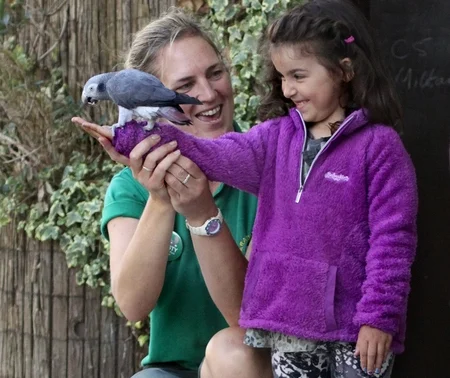

How to Socialize a Shy Timneh African Grey
Learning how to socialize a shy Timneh African Grey requires patience, emotional awareness, and a deep respect for the bird’s communication style. Timneh African Greys are naturally observant and cautious. When a Timneh appears shy, withdrawn, or hesitant, it is rarely a flaw—it is usually a protective response shaped by early experiences, environment, or inconsistent handling.
This guide explains how to socialize a shy Timneh African Grey using ethical, trust-based methods that reduce fear, encourage confidence, and support long-term emotional stability. The approach is calm, gradual, and realistic—designed for owners who value trust over speed.
Understanding Shyness in Timneh African Greys
Shyness Is a Survival Strategy, Not a Problem
Before addressing socialization, it is essential to understand what shyness means in a Timneh African Grey. Shy Timnehs are not antisocial. Instead, they are risk-aware. They observe carefully before engaging, especially in unfamiliar situations.
Common causes of shyness include:
- Limited early social exposure
- Sudden environmental changes
- Overhandling or forced interaction
- Inconsistent routines
- Previous stressful experiences
Therefore, learning how to socialize a shy Timneh African Grey begins with removing pressure, not adding stimulation.
Creating the Right Emotional Foundation
Safety Comes Before Socialization
A Timneh will not socialize until it feels safe. Emotional safety depends on predictability and calm energy.
To establish safety:
- Keep daily routines consistent
- Maintain a quiet, stable environment
- Avoid sudden movements or loud voices
- Respect the bird’s physical boundaries
As a result, the parrot begins to relax and observe without remaining in a defensive state.
This foundation aligns closely with ethical parrot ownership principles focused on emotional welfare.
Reading Early Comfort Signals
Learn Before You Lead
Socialization is guided by the bird’s signals, not a timeline. Signs that a shy Timneh is becoming more comfortable may include:
- Relaxed posture on the perch
- Quiet observation rather than freezing
- Gentle vocalizations
- Increased interest in surroundings
Conversely, stress signals include leaning away, freezing, or tight feathers. When these appear, pause interaction immediately.
Understanding these cues is central to Timneh African Grey body language and behavior signs awareness.
Passive Socialization: The First Stage
Presence Without Pressure
The most effective way to socialize a shy Timneh is to begin with passive socialization. This means being present without demanding interaction.
Practical steps include:
- Sitting calmly in the same room
- Speaking softly without addressing the bird directly
- Performing quiet daily activities nearby
Meanwhile, avoid staring directly at the bird, which can feel threatening. Over time, your presence becomes familiar rather than stressful.
Passive socialization builds trust quietly and reliably.
Gradual Interaction Through Routine
Let Routine Do the Work
Routine-based interaction is more effective than spontaneous engagement. For example:
- Greet the bird at the same times each day
- Change food and water calmly and predictably
- Use consistent phrases during care routines
As routines repeat, the shy Timneh begins to associate humans with stability rather than unpredictability.
Therefore, routine becomes a powerful socialization tool.
Using Food as a Confidence Bridge
Gentle, Non-Transactional Rewards
Food can support socialization when used ethically. However, it should never become a bribe or source of pressure.
Effective methods include:
- Offering favored foods nearby, not by hand initially
- Gradually placing treats closer during calm moments
- Allowing the bird to approach at its own pace
Eventually, the Timneh may accept treats from a distance, then from a hand—when ready.
This approach supports responsible exotic bird nutrition planning without reinforcing fear.
Introducing Hand Presence Safely
From Visibility to Interaction
Hand shyness is common in timid Timneh African Greys. To address this:
- Keep hands visible but still
- Avoid reaching directly toward the bird
- Place hands near food bowls or perches without contact
Over time, the hand becomes a neutral object rather than a threat.
Progress may feel slow; however, consistency always outperforms speed.
Expanding Social Circles Carefully
One Person First, Others Later
A shy Timneh should first build confidence with one calm, consistent caregiver. Only after trust is established should additional people be introduced.
When expanding social exposure:
- Introduce one person at a time
- Maintain calm environments
- Avoid group attention
Gradual exposure prevents regression and supports emotional resilience.
Avoiding Common Socialization Mistakes
Mistake 1: Forcing Interaction
Forced handling often reinforces fear.
Correction: Allow the bird to initiate engagement.
Mistake 2: Overcompensating With Attention
Constant talking or hovering overwhelms shy parrots.
Correction: Balance presence with quiet space.
Mistake 3: Expecting Linear Progress
Socialization is not a straight line. Setbacks happen.
Correction: Maintain routine and patience during pauses.
Avoiding these mistakes is essential when learning how to socialize a shy Timneh African Grey successfully.
Training as Confidence Building
Gentle Training Without Pressure
Once basic comfort is established, simple training can enhance confidence. Focus on:
- Short sessions
- Familiar cues
- High success rates
Training should feel optional, not demanding. This approach supports humane parrot behavior guidance and strengthens trust.
Long-Term Outcomes of Proper Socialization
When Socialization Is Done Correctly
Ethically socialized Timneh African Greys often:
- Develop steady confidence
- Interact calmly with trusted humans
- Adapt gradually to new situations
- Maintain emotional balance long term
These birds may remain naturally reserved, yet deeply bonded.
When Socialization Is Rushed or Forced
Improper socialization frequently results in:
- Heightened fear responses
- Withdrawal
- Long-term trust issues
These outcomes are difficult—but not impossible—to reverse.
Final Perspective: Trust Grows at the Bird’s Pace
Understanding how to socialize a shy Timneh African Grey means accepting the bird’s timeline, not imposing your own. Shy Timnehs are not broken; they are cautious. With patience, consistency, and respect, caution transforms into confidence.
The strongest bonds are built quietly.