
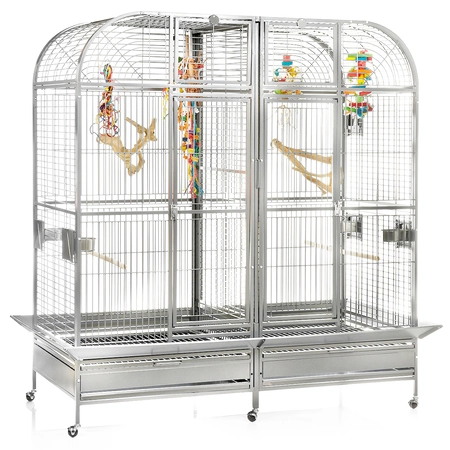

Cage Size & Setup for Timneh African Grey
Choosing the correct cage size and setup for Timneh African Grey is not a decorative decision—it is a foundational welfare requirement. A Timneh African Grey’s cage is not simply a place to sleep. It is a primary living environment that shapes physical health, emotional regulation, behavior, and long-term confidence.
This guide explains how to choose the right cage size, how to set it up correctly, and how thoughtful design prevents many of the behavioral and health issues commonly seen in African Greys. The approach is practical, ethical, and based on real aviculture experience—not marketing claims.
Why Cage Size and Setup Matter So Much for Timnehs
The Cage Shapes Daily Behavior
Timneh African Greys are intelligent, observant, and routine-oriented. As a result, their cage environment directly influences:
- Movement and posture
- Stress levels
- Sleep quality
- Confidence and security
- Interaction with humans
An undersized or poorly arranged cage quietly creates frustration, even when the bird spends time outside it. Therefore, cage size and setup for Timneh African Grey must be planned with daily reality in mind—not just minimum standards.
Minimum vs Ideal Cage Size for Timneh African Grey
Understanding “Minimum” Cage Size
Many sources list minimum cage dimensions. While minimums may meet legal or retail standards, they rarely support optimal welfare.
A cage that only allows the bird to turn around and perch is functionally restrictive.
Recommended Cage Size (Ethical Standard)
For a Timneh African Grey, an ethically appropriate cage should allow:
- Full wing extension without touching bars
- Multiple perch zones
- Space for enrichment without crowding
Practical guideline:
A cage wide enough for lateral movement is more important than height alone.
When possible, always choose the largest cage your space allows. Larger cages consistently correlate with calmer behavior and fewer stress-related issues.
Bar Spacing and Structural Safety
Correct Bar Spacing
Bar spacing must prevent head entrapment while allowing climbing and movement.
Improper spacing can cause:
- Physical injury
- Anxiety during movement
- Reduced confidence
Appropriate spacing supports both safety and natural climbing behavior.
Horizontal vs Vertical Bars
Cages with horizontal bars on at least two sides are preferable. Timneh African Greys use climbing as both exercise and mental stimulation.
Bar orientation directly affects daily activity levels.
Cage Placement Within the Home
Social, Not Chaotic Location
Cage placement is part of cage size and setup for Timneh African Grey, not an afterthought.
Ideal placement includes:
- A socially active room
- No direct drafts
- No constant foot traffic
- One side of the cage against a wall for security
Avoid kitchens, doorways, or areas with sudden noise or fumes.
Proper placement reduces vigilance stress and supports emotional stability.
Internal Cage Setup: Perches
Perch Variety Is Essential
Perches should vary in:
- Diameter
- Texture
- Material
Uniform dowel perches increase the risk of foot discomfort and limit movement variety.
Natural wood perches promote:
- Foot health
- Balance
- Natural posture
Position perches so the bird can move horizontally without wing obstruction.
Food and Water Bowl Placement
Accessibility Without Contamination
Bowls should be:
- Easy to access
- Positioned away from droppings
- Stable and secure
Placing bowls directly under perches often leads to contamination and reduced intake.
Routine access supports consistent nutrition and hydration.
This ties directly into responsible exotic bird nutrition planning.
Toys and Enrichment Inside the Cage
Quality Over Quantity
Overloading a cage creates clutter and stress. Instead, focus on:
- A few well-chosen toys
- Rotated enrichment
- Clear movement pathways
Effective enrichment includes:
- Foraging toys
- Chewable materials
- Simple problem-solving items
Rotate toys weekly rather than filling the cage permanently.
Lighting and Sleep Considerations
Supporting Natural Rhythms
Timneh African Greys require predictable light cycles. The cage should support:
- Natural daylight exposure
- Consistent sleep routines
- Reduced nighttime disturbance
Covering part of the cage or ensuring a quiet sleep environment helps regulate emotional health.
Poor sleep often manifests as behavioral problems rather than obvious fatigue.
Cleanliness and Hygiene Setup
Designing for Easy Maintenance
A well-designed cage setup supports cleanliness. Consider:
- Removable trays
- Easy-access doors
- Simple perch layouts
Clean environments reduce stress and support long-term health.
Hygiene is a preventative measure, not just housekeeping.
Common Cage Setup Mistakes
Mistake 1: Choosing a Cage That’s Too Small
Small cages restrict movement and increase frustration.
Correction: Always size up when possible.
Mistake 2: Overcrowding the Interior
Too many toys and perches reduce usable space.
Correction: Prioritize movement paths.
Mistake 3: Poor Placement
Placing the cage in chaotic or isolated areas increases anxiety.
Correction: Choose a calm, social location.
Avoiding these mistakes significantly improves outcomes.
How Cage Setup Affects Behavior
Calm Environment = Calm Bird
Proper cage size and setup for Timneh African Grey often results in:
- Reduced pacing
- Fewer fear responses
- Improved sleep
- Better training responsiveness
Conversely, poor setup often contributes to:
- Withdrawal
- Irritability
- Stress-related behaviors
Environment shapes behavior long before training does.
Adjusting Cage Setup Over Time
Life Stage Considerations
As Timneh African Greys age, cage setup may need adjustments:
- Lower perches for seniors
- Easier access points
- Reduced climbing demand
These changes should support comfort without removing independence.
This aligns with Timneh African Grey lifespan and aging care principles.
Final Perspective: The Cage Is a Living Space, Not a Container
The cage size and setup for Timneh African Grey reflects how seriously an owner takes long-term welfare. A well-designed cage supports physical health, emotional balance, and confident behavior—not because it is large or expensive, but because it is thoughtfully planned.
When the environment works with the bird rather than against it, everything else—training, socialization, and health—becomes easier.