
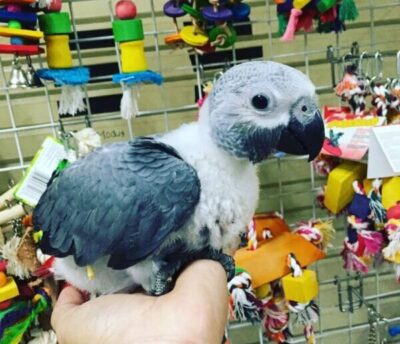

Buying a Healthy Timneh African Grey Chick
For serious owners, breeders, and enthusiasts, buying a healthy Timneh African Grey chick is one of the most important decisions you’ll make. The choices you make at the start—about source, health screening, socialization, and environment—profoundly influence the bird’s temperament, long-term health, and ability to bond. Unlike impulse purchases, ethical chick acquisition requires clarity, preparation, and a commitment to welfare.
This guide provides a practical, expert roadmap covering everything from selecting the right breeder to conducting health checks, interpreting early behavior, understanding legal and ethical considerations, and avoiding common mistakes. The focus is long-term wellness, not just immediate ownership.
Why the Chick Stage Matters
Foundations of Health and Behavior
When buying a healthy Timneh African Grey chick, you are not just acquiring a bird—you are shaping the foundation of a lifelong companion. Early physical condition, socialization practices, and environmental stability all determine future:
- Emotional regulation and trust
- Social confidence with humans and other birds
- Resilience to stress and routine changes
- Cognitive engagement and curiosity
Chicks raised under poor conditions often develop avoidant behavior, fear-based responses, and stress-driven habits later in life.
In contrast, ethically raised chicks tend to become well-adjusted, cooperative adults.
Who Should Breed Timnehs: Ethical Standards
Dedicated Breeders Over Volume Sellers
Not all breeders are equal. Ethical breeders prioritize:
- Transparent lineage documentation
- Clean, flight-safe aviaries
- Gradual, calm human handling
- Health screening for parents and chicks
Conversely, commercial operations focused on high volume often cut corners on socialization and early care—leading to subtle but significant long-term issues.
When buying a healthy Timneh African Grey chick, always choose breeders who demonstrate avicultural expertise and welfare commitment.
What Ethical Breeders Provide
A trustworthy breeder should offer:
- DNA sex verification
- Health records (vet check, parasite screening)
- Parent and chick diet history
- Early social exposure
- Clear return or support policy
Documentation is not optional—it is evidence of responsible care.
Age Considerations: When Is a Chick Ready?
Ideal Weaning and Socialization Window
Timneh African Grey chicks are typically ready for relocation after weaning and fledging—usually around 10–12 weeks of age, although some breeders wait until 12–16 weeks.
Healthy timing matters because:
- Early separation can stunt emotional development
- Delayed handling often increases fear around humans
- Gradual, calm exposure builds confidence early
Therefore, the general ethical standard is to acquire a chick only after it is fully weaned and eating independently under calm observation.
Red Flags When Selecting a Chick
When you are buying a healthy Timneh African Grey chick, watch for these warning signs:
Physical Health Indicators
- Poor feather quality or uneven growth
- Discharge from eyes, nares, or beak
- Lethargy or low-energy posture
- Fluffed feathers when alert and warm
These may indicate sickness rather than normal development.
Behavioral Cues
Healthy chicks typically:
- Respond to movement and voice
- Explore their environment calmly
- Accept gentle, non-pressured handling
Excessive hiding, freezing, or avoidance toward calm humans often reflects poor early socialization.
Aviary Conditions
Observe the breeder’s environment:
- Clean, well-ventilated spaces
- Safe perches and climbing areas
- Access to natural light cycles
- Appropriate diet presented regularly
Unsanitary or chaotic conditions are strong reasons to reconsider.
Health Checks and Veterinary Screening
Pre-Purchase Veterinary Evaluation
Before finalizing any purchase, request or arrange for a pre-purchase exam by an avian-experienced veterinarian. A thorough check should include:
- Respiratory assessment
- Digestive and droppings analysis
- Feather and skin inspection
- Beak and foot examination
Some breeders provide a certificate of health; others allow independent vet evaluation.
Pay attention to:
- Clear, bright eyes
- Clean vent area
- Symmetrical feather growth
- Normal weight for age
Veterinary confirmation before purchase dramatically reduces future health problems.
Early Socialization Practices
Handling Without Pressure
A well-socialized chick is more likely to develop emotional security and trust. Responsible breeders should:
- Offer calm hand visits
- Talk softly around chicks
- Introduce predictable routines
- Avoid excessive forced contact
Overhandling often overwhelms young Timnehs, while under-handling inhibits trust. The best approach introduces birds slowly to gentle, respectful interaction.
Nutrition and Starter Diet
What a Healthy Chick Eats
When you are buying a healthy Timneh African Grey chick, understanding dietary history is critical. A reliable breeder will have transitioned the chick to:
- High-quality formulation diet appropriate for its age
- Fresh vegetables in safe small portions
- Clean, fresh water without additives
Start your bird on the same diet initially, then introduce new items slowly to avoid digestive upset. This supports long-term nutritional balance and reduces behavior problems linked to poor diet.
Transportation and First Days Home
Reducing Stress During Transition
Young Timnehs are sensitive to sudden change. To support a calm transition:
- Use a secure, appropriately sized carrier
- Maintain warm, stable temperature
- Provide a small familiar item from the breeder
- Avoid loud noise or abrupt movements
Once home, place the carrier in a calm, predictable environment and allow the chick to settle gradually.
Home Setup Before Arrival
Cage Size and Setup
Prior preparation prevents early stress. For a newly acquired Timneh chick, ensure:
- A spacious cage (larger than minimum dimensions)
- A variety of safe natural perches
- Accessible food and water stations
- Clean, bird-safe surroundings
A stable environment from day one reinforces security and supports Timneh African Grey body language and behavior signs.
Cost Expectations and Value
What Healthy Chicks Typically Cost
While prices vary regionally, transparent breakdowns help you evaluate value. When buying a healthy Timneh African Grey chick, consider:
- Base price from ethical breeder
- Veterinary pre-purchase costs
- Travel or transport
- Starter supplies (cage, perches, bowls, toys)
High initial investment often correlates with better long-term outcomes, because ethical breeders consistently invest in chick health and documentation.
Legal and Ethical Considerations
Compliance With Local Regulations
African Greys are protected under various international and national regulations. Ensure:
- CITES permits (where required)
- Legal documentation of origin
- Compliance with import/export requirements
Irresponsible sourcing contributes to illegal wildlife trade and undermines global conservation efforts.
Responsible Placement Agreements
Ethical breeders often include:
- Return options if the bird does not fit your home
- Behavioral support guidance
- Follow-up check-ins
These agreements support welfare over profit.
Common Mistakes Buyers Make
Mistake 1: Choosing Based on Price Alone
Low prices rarely indicate good health or care standards.
Correction: Prioritize health records, breeder reputation, and early handling quality.
Mistake 2: Rushing the Decision
Impulsive choices often overlook red flags.
Correction: Take time for vet checks and breeder interviews.
Mistake 3: Ignoring Early Behavior Cues
Quiet or fearful chicks are often passed over as shy rather than underserved.
Correction: Observe interactions with calm humans and check responses carefully.
Avoiding these missteps greatly increases the chance of a healthy, confident adult.
Long-Term Outcomes of Correct Acquisition
When Buyers Choose Wisely
Owners who invest time and care in buying a healthy Timneh African Grey chick typically see:
- Rapid emotional confidence building
- Easier training foundations
- Strong social relationships
- Fewer health and behavior issues
Early foundations dramatically shape decades of life.
When Buyers Choose Hastily
Poor early decisions can lead to:
- Chronic avoidance behaviors
- Excessive fear responses
- Nutritional and health problems
- Difficulty forming positive routines
These issues are often preventable with proper early planning.
Final Perspective: Buy With Understanding, Not Impulse
Acquiring a Timneh African Grey chick is a long-term commitment. The bird will become part of your daily life for decades, joining routines, emotions, and responsibilities. By prioritizing health, ethical breeding standards, early socialization, and calm transitions, you set the stage for a confident, resilient, and emotionally balanced companion.
Buying a healthy Timneh African Grey chick is not just a purchase—it is a promise of lifelong care.