
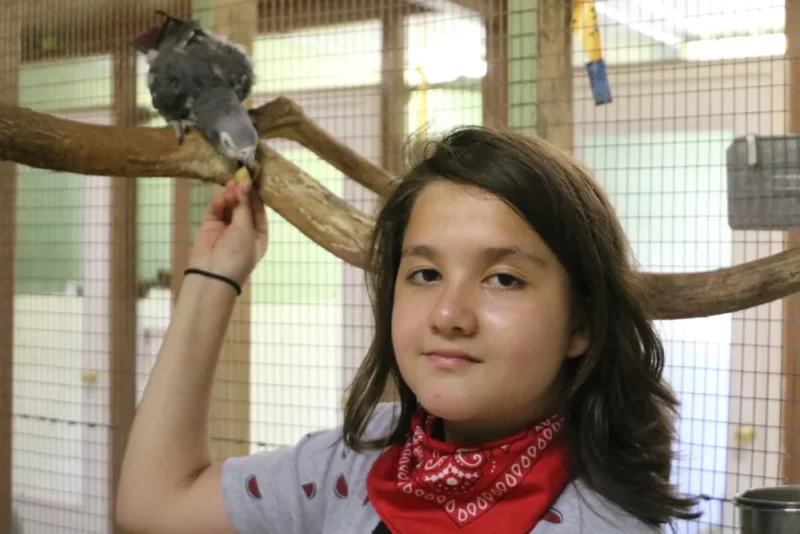

Congo African Grey Daily Routine
A well-structured Congo African Grey daily routine is one of the most powerful tools an owner has to support emotional stability, good behavior, and long-term health. Congo African Greys are not birds that thrive on randomness or constant novelty. Instead, they feel safest and most confident when daily life follows a predictable rhythm that allows them to anticipate events, rest properly, and engage mentally without stress.
This guide explains how to design a realistic daily routine for a Congo African Grey, why routine matters so deeply for this species, and how small inconsistencies can quietly lead to anxiety, behavioral problems, or emotional withdrawal. The focus is structure with flexibility—not rigidity.
Why a Daily Routine Is Essential for Congo African Greys
Predictability Equals Emotional Safety
Congo African Greys are highly perceptive and emotionally sensitive parrots. They constantly observe patterns in:
- Human movement
- Feeding times
- Interaction habits
- Lighting and noise levels
When those patterns are predictable, the bird feels secure. When they are inconsistent, the bird remains in a heightened state of alertness.
This is why a Congo African Grey daily routine is not just helpful—it is foundational.
How Routine Shapes Behavior and Temperament
Routine Regulates the Nervous System
A consistent daily structure helps:
- Reduce anxiety
- Prevent overbonding
- Minimize screaming and pacing
- Support healthy sleep cycles
Many behavior issues attributed to “personality” are actually responses to routine instability.
This connection is closely tied to Congo African Grey temperament and emotional regulation.
Core Elements of a Healthy Congo African Grey Daily Routine
A successful routine includes five core components:
- Predictable wake-up and sleep times
- Structured feeding schedule
- Planned interaction periods
- Independent play and rest time
- Consistent evening wind-down
Each component supports a different aspect of physical and emotional health.
Morning Routine: Setting the Emotional Tone
Wake-Up Time and Light Exposure
Congo African Greys benefit from:
- A consistent wake-up time
- Gradual exposure to light
- Calm verbal interaction
Avoid sudden noise or rushed handling in the morning. A gentle start signals safety and stability.
Morning Feeding
Morning feeding should occur at roughly the same time each day. This helps:
- Regulate metabolism
- Reduce food-related anxiety
- Establish trust in availability
Food unpredictability is a common but overlooked stressor.
Mid-Morning to Early Afternoon: Engagement and Learning
Mental Activity Window
This is often when Congo African Greys are most alert. Ideal activities include:
- Training sessions
- Foraging opportunities
- Interactive play
Short, focused activities work better than long sessions.
This is an excellent time for training outlined in how to train a Congo African Grey resources.
Balanced Social Interaction
Social time should be:
- Calm and intentional
- Respectful of body language
- Limited in duration
Constant interaction can be as stressful as isolation. Balance is key.
Afternoon: Independent Time and Rest
Why Alone Time Matters
A healthy Congo African Grey daily routine includes planned independent time. This:
- Prevents overbonding
- Builds emotional resilience
- Reduces separation anxiety
Offer toys, foraging items, or quiet observation time rather than constant engagement.
This is especially important for preventing patterns linked to why Congo African Greys develop separation anxiety.
Evening Routine: Slowing the Pace
Predictable Evening Feeding
Evening meals should also be consistent in timing. This helps signal the transition toward rest.
Avoid stimulating foods or high-energy activities late in the day.
Reduced Noise and Activity
As evening approaches:
- Lower household noise
- Reduce bright lighting
- Minimize intense interaction
Congo African Greys respond strongly to evening cues.
Night Routine: Supporting Quality Sleep
Sleep Is a Behavioral Tool
Congo African Greys require:
- Long, uninterrupted sleep
- Predictable bedtime
- Reduced light exposure
Inconsistent sleep schedules often result in:
- Irritability
- Increased vocalization
- Reduced tolerance
A stable bedtime is one of the most effective behavior-management strategies available.
This directly supports long-term outcomes described in Congo African Grey lifespan care.
Flexibility Within Structure
Routine Is Not Rigidity
A daily routine should be:
- Consistent in sequence
- Flexible in exact timing
Minor variations are acceptable when the overall pattern remains recognizable.
Sudden, repeated disruptions—rather than occasional changes—cause stress.
Adapting the Routine Across Life Stages
Juvenile Congo African Greys
Younger birds benefit from:
- Shorter activity sessions
- More frequent rest
- Gentle exposure to routine
Routine builds confidence early.
Adult Congo African Greys
Adults thrive with:
- Clearly defined activity blocks
- Predictable interaction
- Stable sleep cycles
This is the stage where routine has the strongest stabilizing effect.
Senior Congo African Greys
Older birds may require:
- Longer rest periods
- Simplified routines
- Familiar patterns
Avoid unnecessary changes later in life.
Common Routine Mistakes Owners Make
Mistake 1: Inconsistent Sleep Times
Correction: Protect bedtime as non-negotiable.
Mistake 2: Random Feeding
Correction: Feed at consistent times daily.
Mistake 3: Constant Attention
Correction: Schedule independence intentionally.
Most routine-related problems develop gradually—and are fully preventable.
Signs a Daily Routine Is Working
A well-adjusted Congo African Grey often shows:
- Calm posture
- Predictable energy cycles
- Stable appetite
- Reduced stress behaviors
These signs indicate emotional security.
When Routine Is Missing or Unstable
Without a clear Congo African Grey daily routine, birds often show:
- Increased anxiety
- Vocal distress
- Feather-focused behaviors
- Emotional withdrawal
Routine absence is one of the most common hidden stressors.
Long-Term Benefits of a Stable Daily Routine
Owners who maintain a consistent routine often experience:
- Easier training
- Reduced behavioral issues
- Improved emotional resilience
- Stronger, healthier bonds
Routine supports every other aspect of care.
Final Perspective: Routine Is Emotional Care
A Congo African Grey daily routine is not about control—it is about reassurance. Every predictable moment tells the bird that its environment is safe, needs will be met, and stress is unnecessary.
Routine is invisible care—but its impact lasts a lifetime.