
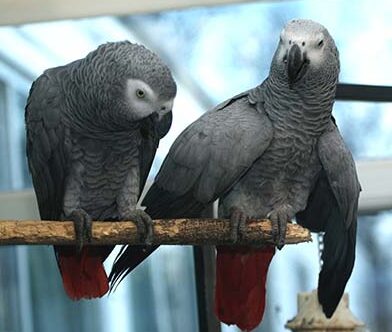

How to Reduce Screaming in Congo African Greys
Learning how to reduce screaming in Congo African Greys begins with one crucial truth: screaming is communication, not misbehavior. Congo African Greys do not scream randomly or maliciously. They scream because something in their emotional, social, or environmental world is out of balance—and screaming is the most effective signal they have learned to use.
This article explains why Congo African Greys scream, the most common mistakes that unintentionally reinforce the behavior, and how ethical, long-term adjustments—not punishment—can dramatically reduce screaming. The focus is calm, sustainable change built on understanding and structure.
Why Congo African Greys Scream in the First Place
Screaming Is a Learned Communication Tool
In the wild, African Greys use loud calls to:
- Maintain contact with flock members
- Signal location or distress
- Respond to environmental change
In captivity, screaming often develops when quieter communication attempts go unnoticed. Over time, the bird learns that loudness works.
Understanding how to reduce screaming in Congo African Greys therefore requires changing what the screaming accomplishes.
The Most Common Triggers for Screaming
1. Separation Anxiety and Contact Calling
One of the leading causes of screaming is anxiety when a bonded person leaves. The bird is not demanding attention—it is checking safety.
This directly overlaps with why Congo African Greys develop separation anxiety.
2. Inconsistent Daily Routine
Congo African Greys rely heavily on predictability. When:
- Feeding times vary
- Sleep schedules shift
- Interaction is unpredictable
the bird stays in a heightened alert state. Screaming often becomes a way to regain control.
This is why a stable Congo African Grey daily routine is foundational.
3. Reinforced Screaming (Even Accidentally)
Screaming is often reinforced when:
- Someone shouts back
- Someone rushes into the room
- The bird is immediately spoken to
From the bird’s perspective, screaming caused connection—so it will be repeated.
4. Boredom and Mental Understimulation
Highly intelligent birds scream when their minds have nothing else to do. Without enrichment, screaming becomes stimulation.
This is where best toys for Congo African Greys play a critical preventative role.
5. Hormonal and Environmental Stress
Hormonal periods, excess light exposure, or nesting triggers can lower tolerance and increase vocal output.
This connects directly to Congo African Grey hormonal behavior patterns.
What NOT to Do When a Congo African Grey Screams
These Mistakes Make Screaming Worse
- Yelling back
- Covering the cage abruptly
- Punishing or scolding
- Giving immediate attention
All of these confirm that screaming is effective or threatening—neither reduces the behavior long-term.
Punishment suppresses communication temporarily but increases anxiety permanently.
Step-by-Step: How to Reduce Screaming in Congo African Greys Ethically
Step 1: Stabilize the Daily Routine
Predictability reduces the need to call out.
Ensure:
- Fixed wake-up and bedtime
- Consistent feeding times
- Predictable interaction windows
Routine tells the bird: Nothing is wrong.
Step 2: Teach Quiet Communication Works Better
When the bird:
- Whistles
- Uses words
- Makes soft contact sounds
Immediately respond with calm attention. This teaches the bird that quiet communication is effective.
Ignore screaming only if quieter sounds are being reinforced consistently.
Step 3: Increase Mental Engagement
A mentally busy Congo African Grey screams less.
Provide:
- Foraging toys
- Puzzle feeders
- Chewable enrichment
- Short daily training sessions
Mental fatigue reduces vocal frustration naturally.
This aligns with Congo African Grey intelligence explained principles.
Step 4: Normalize Departures and Returns
Avoid dramatic goodbyes and excited reunions. Instead:
- Leave calmly
- Return neutrally
- Maintain routine cues
This reduces anxiety-driven screaming linked to absence.
Step 5: Schedule Independent Time
Constant attention increases dependence and screaming when attention stops.
Planned alone time:
- Builds emotional resilience
- Reduces overbonding
- Prevents contact-call screaming
This directly supports separation anxiety reduction.
Step 6: Address Environmental Stressors
Reduce:
- Excessive noise
- Visual chaos
- Late-night light exposure
Ensure cage placement supports security, as outlined in Congo African Grey cage size, setup & placement guidance.
Understanding the Type of Screaming
Not All Screams Mean the Same Thing
- Contact screams → Anxiety or checking presence
- Frustration screams → Boredom or blocked access
- Territorial screams → Hormonal or environmental triggers
Correct response depends on the cause, not the volume.
How Long Does It Take to Reduce Screaming?
Realistic Expectations
Screaming rarely stops overnight. However, with consistency:
- Reduction often begins in 2–4 weeks
- Significant improvement in 1–3 months
- Long-term stability with maintained routine
Progress is gradual but reliable when reinforcement patterns change.
Signs You’re on the Right Track
Positive indicators include:
- Shorter screaming episodes
- More quiet vocalizations
- Increased toy engagement
- Calm posture after absences
These signs show the bird feels heard without needing to scream.
When Screaming May Signal a Health Issue
Occasionally, increased vocalization may accompany:
- Physical discomfort
- Sleep deprivation
- Hormonal imbalance
If screaming is sudden, intense, and accompanied by behavior changes, consider evaluation alongside common health problems in Congo African Greys awareness.
Long-Term Outcomes When Screaming Is Managed Correctly
Owners who apply ethical strategies often see:
- Dramatically reduced screaming
- Clearer communication
- Stronger trust
- Improved emotional regulation
The relationship improves—not just the noise level.
Final Perspective: Screaming Is a Message, Not a Failure
Understanding how to reduce screaming in Congo African Greys means learning to listen differently. Screaming is rarely about noise—it is about unmet needs, confusion, or insecurity.
When those needs are addressed with structure, enrichment, and calm consistency, screaming often fades on its own.
A quiet Congo African Grey is not a silenced bird.
It is a bird that feels understood.