
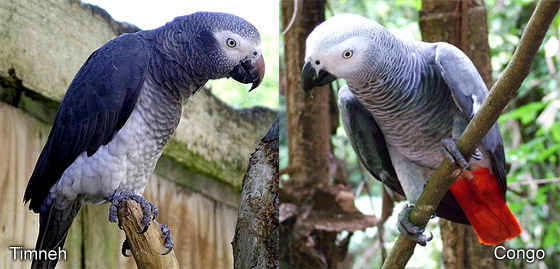

Congo African Grey Breeding Basics
Understanding Congo African Grey breeding basics requires more than knowing how parrots reproduce. Breeding this species is a long-term ethical responsibility that combines behavioral knowledge, environmental control, patience, and a deep respect for the birds’ emotional complexity. Congo African Greys do not respond well to rushed, profit-driven, or poorly planned breeding attempts. When conditions are wrong, breeding fails quietly—or worse, it creates stress, aggression, health problems, and long-term behavioral damage.
This guide explains the true foundations of breeding Congo African Greys: when breeding is appropriate, how pairs form, what environment supports success, and why restraint is often the most ethical choice. The focus is welfare-first breeding, not volume or shortcuts.
Before Anything Else: Should You Be Breeding Congo African Greys?
Breeding Is Not a Beginner Activity
Breeding Congo African Greys is not recommended for casual owners or those new to the species. These parrots:
- Mature slowly
- Form complex emotional bonds
- React strongly to stress
- Require long-term stability
Breeding should only be considered when:
- Both birds are mature and healthy
- Their emotional compatibility is clear
- You can support long-term outcomes, including chicks that may not sell quickly
Understanding Congo African Grey breeding basics begins with knowing when not to breed.
Ethical Foundations of Congo African Grey Breeding
Welfare Comes Before Production
Ethical breeding prioritizes:
- Physical health
- Emotional stability
- Pair choice
- Environmental security
Breeding should never be used to “fix” behavioral issues, increase value, or justify overcrowding. Hormones amplify existing conditions—they do not correct them.
This is closely related to managing Congo African Grey hormonal behavior responsibly.
Age and Maturity Requirements
Sexual Maturity vs Emotional Readiness
Congo African Greys may reach sexual maturity years before they are emotionally ready to breed. Responsible breeding typically requires:
- Full physical maturity
- Emotional stability
- Consistent routines over time
Rushing breeding before emotional readiness often leads to:
- Pair aggression
- Egg neglect
- Chronic stress
Patience is a core principle of Congo African Grey breeding basics.
Pair Selection: Compatibility Matters More Than Sex
Why Pairing Is Not Automatic
Simply placing a male and female together does not guarantee a breeding pair. Congo African Greys are selective and often form bonds slowly.
Successful pairs usually show:
- Calm proximity
- Mutual tolerance
- Shared space without conflict
- Gradual affiliative behaviors
Forced pairing often fails and can permanently damage trust.
Housing Pairs Ethically
Before breeding is attempted, pairs should:
- Be housed in spacious, neutral environments
- Have escape routes and visual barriers
- Be observed over extended periods
Pair stress is one of the most common reasons breeding attempts fail.
Environment: The Cornerstone of Breeding Success
Space and Privacy
Breeding Congo African Greys requires:
- Larger-than-pet enclosures
- Quiet surroundings
- Visual separation from other birds
- Minimal disturbance
Constant human traffic or noise often suppresses breeding behavior or increases aggression.
Proper environment design aligns with Congo African Grey cage size, setup & placement principles, but on a larger scale.
Lighting and Seasonal Cues
Light cycles strongly influence breeding readiness. Ethical breeders:
- Maintain naturalistic day–night rhythms
- Avoid artificial light extension
- Prevent constant “breeding mode” stimulation
Over-manipulating light may increase egg production short term but harms long-term health.
Nesting Considerations
Nesting Is a Trigger, Not a Guarantee
Providing a nest box:
- Signals breeding opportunity
- Activates hormonal behavior
- Increases territorial instincts
Nest boxes should only be introduced after pair stability is confirmed. Premature nesting often leads to aggression or fixation.
Environmental control remains essential once nesting begins.
Diet and Conditioning for Breeding Birds
Nutrition Supports, It Does Not Force, Breeding
Balanced nutrition is critical before and during breeding periods. Diet should:
- Be stable and consistent
- Avoid sudden changes
- Support overall health rather than stimulation
Over-supplementation or drastic dietary shifts often cause imbalance rather than improved outcomes.
This builds on principles discussed in best diet for Congo African Grey care.
Behavioral Changes During Breeding Periods
What Is Normal
During breeding phases, birds may:
- Become more territorial
- Reduce tolerance for handling
- Increase alertness
These changes are expected and should be managed through reduced interference, not correction.
What Signals a Problem
Warning signs include:
- Persistent aggression between pair members
- One bird being excluded from food or space
- Excessive stress vocalization
These indicate the environment or pairing needs adjustment.
Egg Laying and Incubation Basics (High-Level Overview)
Minimal Intervention Is Best
Healthy pairs often manage incubation naturally when conditions are correct. Excessive monitoring or interference frequently causes abandonment.
Breeding success is often quieter than people expect.
Chicks: Responsibility Beyond Hatching
Breeding Does Not End at Birth
Breeding responsibly means planning for:
- Proper chick development
- Appropriate weaning timelines
- Long-term placement
Rushed or poorly planned chick handling often leads to:
- Behavioral instability
- Chronic fear
- Lifelong issues
Chick welfare is the final test of ethical breeding.
Common Mistakes in Congo African Grey Breeding
Mistake 1: Breeding Too Young
Consequence: Emotional instability and failure.
Mistake 2: Forcing Pair Bonds
Consequence: Aggression and stress.
Mistake 3: Over-Manipulating Environment
Consequence: Hormonal exhaustion and health decline.
Mistake 4: Underestimating Long-Term Commitment
Consequence: Rehoming and welfare compromise.
Most breeding failures stem from impatience, not lack of equipment.
When Not to Breed
Ethical breeders choose not to breed when:
- Birds show chronic stress
- Pair compatibility is weak
- Environmental control is insufficient
- Long-term placement of offspring is uncertain
Choosing restraint is often the most responsible decision.
Long-Term Impact of Ethical vs Poor Breeding
Ethical Breeding Leads To:
- Stable adults
- Emotionally balanced offspring
- Reduced behavioral issues
- Sustainable aviculture
Poor Breeding Leads To:
- Chronic stress
- Aggression
- Health decline
- Rehoming cycles
Breeding decisions echo for decades.
Final Perspective: Breeding Is Stewardship, Not Production
Congo African Grey breeding basics are rooted in patience, observation, and restraint. These parrots are not designed for rapid or casual breeding. When breeding is approached as stewardship—rather than output—the results support both species welfare and long-term aviculture integrity.
Sometimes, the most ethical breeding decision is waiting.
Sometimes, it is choosing not to breed at all.