
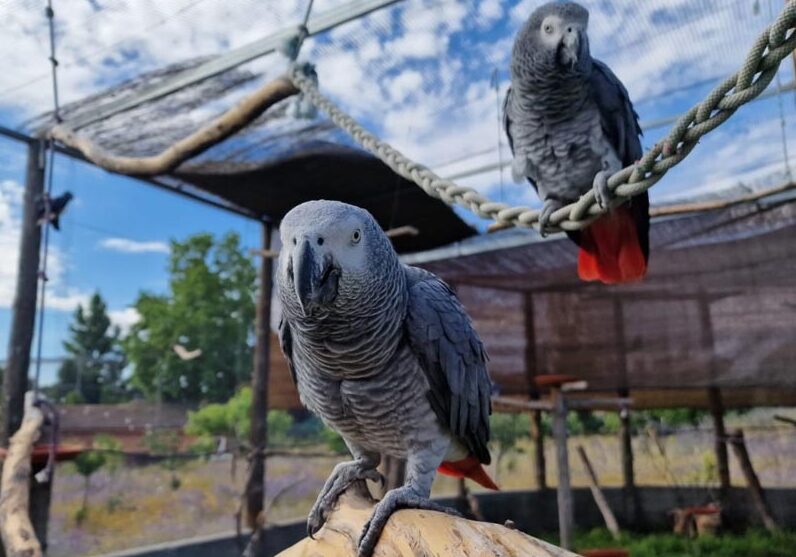

Buying vs Adopting a Congo African Grey
Choosing between buying vs adopting a Congo African Grey is not simply a financial or availability decision—it is a deeply ethical and practical choice that affects the bird’s emotional health, long-term stability, and your experience as an owner. Congo African Greys are not interchangeable pets. Each bird carries a history, temperament, and set of needs shaped by its early development and life experiences.
This guide provides a balanced, professional comparison of buying and adopting a Congo African Grey. It explains the benefits, risks, and responsibilities of each path so you can make an informed decision that aligns with your lifestyle, expectations, and commitment level—without guilt, pressure, or unrealistic promises.
Why This Decision Matters More Than People Realize
Congo African Greys Are Not “Resettable”
Unlike many companion animals, Congo African Greys:
- Form deep emotional memories
- Retain learned behaviors for life
- React strongly to past instability
Whether you choose to buy or adopt, you are not starting with a blank slate. Understanding buying vs adopting a Congo African Grey means understanding history, not just ownership transfer.
What “Buying” a Congo African Grey Usually Means
Buying From a Responsible Breeder
Buying typically involves acquiring a Congo African Grey that was:
- Bred in captivity
- Raised by a breeder (parent-raised, assisted, or hand-raised)
- Placed into a new home for the first time
When done responsibly, buying allows more predictability—but only if the source is ethical.
This is closely tied to guidance in how to choose a healthy Congo African Grey.
Advantages of Buying
Buying from a reputable breeder may offer:
- Known age and background
- Documented health and diet history
- Early-life stability
- Fewer unknown behavioral triggers
For first-time African Grey owners, this predictability can reduce early stress.
Limitations and Risks of Buying
However, buying also carries risks when:
- Birds are removed too early from parents
- Socialization is rushed
- Hand-raising is done for commercial reasons
Poor early practices often lead to long-term issues discussed in hand-raising Congo African Grey chicks ethics.
Buying is only as good as the breeder behind it.
What “Adopting” a Congo African Grey Usually Means
Adoption Through Rescues or Rehoming
Adoption typically involves a bird that:
- Was previously owned
- Experienced at least one home transition
- Is being placed through a rescue or private rehoming
Adoption is not a “lesser” option—it is simply a different responsibility.
Advantages of Adopting
Adopting a Congo African Grey can offer:
- Giving a second chance to a displaced bird
- Lower upfront financial cost
- Adult birds with known personalities
- Fulfillment for experienced caregivers
Many adopted Greys form deep bonds when placed in stable homes.
Challenges and Responsibilities of Adoption
Adopted birds may come with:
- Unknown or incomplete history
- Emotional trauma or trust issues
- Stress behaviors developed over time
- Need for patient rehabilitation
These challenges often relate to signs of stress in Congo African Greys and require commitment.
Behavioral Differences: Buying vs Adopting
Birds Bought From Ethical Breeders
Often show:
- More predictable behavior patterns
- Easier adjustment to routine
- Fewer fear-based reactions early on
However, this is not guaranteed—behavior still depends on ongoing care.
Adopted Birds
May show:
- Guarded behavior initially
- Heightened sensitivity to change
- Strong preferences or aversions
With time and structure, many adopted Greys become exceptionally stable companions.
Emotional Commitment: Which Is Right for You?
Buying May Suit You If:
- You are new to Congo African Greys
- You prefer a bird with known developmental history
- You can wait for the right breeder
- You want to shape routines from early life
Adoption May Suit You If:
- You have prior parrot experience
- You are patient and adaptable
- You can manage emotional rehabilitation
- You value giving a displaced bird a stable future
Neither path is morally superior—only suitability matters.
Financial Considerations Beyond the Price
Buying Costs
Buying often involves:
- Higher acquisition cost
- Initial veterinary checks
- Setup for a growing bird
These costs are detailed in the Congo African Grey price guide.
Adoption Costs
Adoption usually involves:
- Lower rehoming fees
- Immediate need for behavioral support
- Possible ongoing adjustments
Lower initial cost does not always mean lower long-term investment.
Legal and Documentation Differences
Buying
Ethical breeders provide:
- Proof of legal origin
- CITES documentation where required
- Clear ownership transfer
This aligns with Congo African Grey legal requirements by country.
Adopting
Rescues often:
- Assist with documentation
- Require adoption agreements
- Screen adopters carefully
These steps protect both bird and adopter.
Common Myths About Buying vs Adopting
“Adopted Greys Are Problem Birds”
False. Many issues stem from instability, not personality.
“Bought Greys Are Automatically Easier”
False. Poor breeding practices create just as many challenges.
“Adoption Means Saving Money”
False. Care costs remain lifelong regardless of origin.
Long-Term Outcomes Depend on Care, Not Origin
What Truly Determines Success
Whether buying or adopting, long-term success depends on:
- Stable routine
- Mental enrichment
- Respectful communication
- Emotional consistency
This connects directly to Congo African Grey daily routine and enrichment planning.
Questions to Ask Yourself Before Deciding
- Do I want predictability or rehabilitation?
- Can I handle emotional complexity?
- Am I prepared for decades of care?
- Do I have time for trust-building?
Honest self-assessment matters more than choosing the “right” option.
Ethical Perspective: Responsibility Over Preference
The ethical question is not buying vs adopting, but:
- Are you choosing responsibly?
- Are you prepared long-term?
- Are you respecting the bird’s needs over your expectations?
Both paths can be ethical—or unethical—depending on intention and follow-through.
Final Perspective: Choose the Path You Can Honor Fully
Buying vs adopting a Congo African Grey is not about which option looks better. It is about choosing the path you can support consistently, patiently, and ethically for the next 40–60 years.
A Congo African Grey does not care how it arrived in your home.
It cares how safe it feels once it is there.