
Parrot Care Guide for New Owners
Bringing a parrot home is exciting—but it is also a serious, long-term responsibility. This parrot care guide for new owners is designed to give you a realistic, practical foundation so you can avoid the most common mistakes and build a stable, healthy life with your bird from day one.
Parrots are not decorative pets. They are intelligent, emotionally complex, long-lived animals whose needs go far beyond food and a cage. When new owners focus only on tameness or talking ability, problems often develop quickly. However, when you prioritize environment, diet, routine, and emotional security, parrots thrive.
This guide covers the essential pillars of beginner parrot care: housing, diet, bonding, enrichment, health monitoring, and common early challenges. Whether you own a small parrot or a large species, these principles apply across the board.
Understanding What Makes Parrots Different From Other Pets
Parrots Are Not Domesticated
Unlike dogs or cats, parrots remain behaviorally wild. Even birds bred in captivity retain:
- Strong survival instincts
- Sensitivity to environmental change
- Complex social needs
Understanding why parrots are different from typical household pets helps set appropriate expectations.
Long Lifespan Means Long Planning
Many parrots live:
- 15–20 years (smaller species)
- 30–50+ years (larger species)
This is not a short-term commitment. Planning for future life changes is part of responsible ownership.
Housing: Setting Up the Right Environment From Day One
Cage Size and Placement
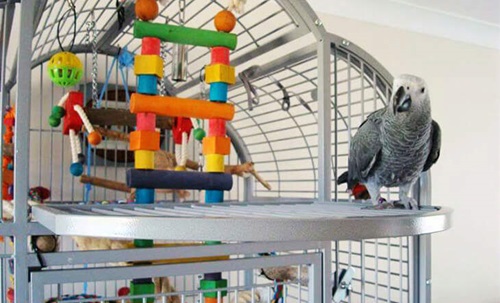
A proper cage should:
- Allow full wing extension without touching bars
- Include multiple perches of varying thickness
- Be placed in a calm but social area of the home
Avoid placing cages:
- In kitchens (fumes are dangerous)
- In direct drafts
- In isolated rooms
Understanding proper cage setup for parrots prevents many stress-related issues.
Perches and Layout Matter
Use:
- Natural wood perches
- Different diameters for foot health
- Clear pathways for movement
Avoid overcrowding the cage with too many toys at once.
Diet: The Foundation of Parrot Health
Avoid Seed-Only Diets
Seed-only diets lead to:
- Vitamin deficiencies
- Obesity
- Liver problems
Parrots require balanced nutrition, not convenience feeding.
Building a Balanced Daily Diet
A healthy parrot diet typically includes:
- Fresh vegetables (leafy greens, carrots, peppers, squash)
- Limited fruit
- High-quality pellets (species-appropriate)
- Occasional seeds or nuts as treats
Fresh food should be offered daily.
Understanding basic parrot nutrition for beginners is essential for long-term health.
Fresh Water and Hygiene
Replace water:
- At least once daily
- More often if contaminated
Clean bowls thoroughly to prevent bacterial growth.
Bonding: Building Trust Without Forcing Affection
Move at the Bird’s Pace
New parrots may:
- Be cautious
- Avoid hands
- Observe quietly
Do not force stepping up or physical contact. Trust develops through calm consistency.
Understanding how to bond with a new parrot safely prevents fear-based behavior.
Use Positive Reinforcement
Reward:
- Calm interaction
- Desired behaviors
- Curiosity
Never punish biting or fear reactions. Punishment damages trust.
Daily Routine: Stability Creates Security
Why Routine Is Critical
Parrots feel safest when:
- Feeding times are predictable
- Sleep schedules are consistent
- Interaction patterns are stable
Irregular routines increase anxiety.
Understanding why parrots need consistent daily routines supports emotional balance.
Sleep Requirements
Most parrots need:
- 10–12 hours of uninterrupted darkness
- A quiet sleep environment
Sleep deprivation causes behavioral and health problems.
Environmental Enrichment: Preventing Boredom and Stress
Toys Are Necessary—but Not Enough
Parrots require:
- Shreddable materials
- Foraging opportunities
- Rotated enrichment
However, enrichment should not overwhelm the bird.
Understanding environmental enrichment basics for parrots prevents both boredom and overstimulation.
Encourage Independent Play
Healthy parrots:
- Explore independently
- Engage with toys alone
- Do not require constant attention
Encouraging independence reduces overbonding.
Health Monitoring: Early Detection Saves Lives
Daily Observation Is Essential
Watch for changes in:
- Appetite
- Droppings
- Energy levels
- Feather condition
Subtle changes often indicate early health concerns.
Understanding early signs of illness in parrots helps prevent emergencies.
Veterinary Care
Every parrot owner should:
- Establish a relationship with an avian veterinarian
- Schedule routine wellness exams
- Budget for emergencies
Do not wait for obvious illness to seek care.
Common Challenges New Owners Face
Biting
Biting usually stems from:
- Fear
- Miscommunication
- Overstimulation
Instead of reacting emotionally, evaluate the trigger and adjust handling.
Noise
Parrots vocalize naturally. Screaming often indicates:
- Attention-seeking
- Boredom
- Stress
Responding calmly and consistently reduces reinforcement of unwanted noise.
Feather Issues
Feather problems may reflect:
- Diet imbalance
- Stress
- Hormonal shifts
Address root causes rather than masking symptoms.
Travel and Lifestyle Adjustments
Planning Around a Parrot
Travel requires:
- Reliable bird sitters
- Familiar caregivers
- Stable routines
Parrots do not adapt easily to constant environmental change.
Financial Commitment
Beyond the Purchase Price
Ongoing costs include:
- Food
- Cage maintenance
- Toys
- Veterinary care
Understanding the real cost of owning a parrot prevents future hardship.
Emotional Responsibility
Parrots Form Deep Attachments
Parrots experience:
- Stress from rehoming
- Emotional insecurity
- Long-term bonding
Choosing to own a parrot means committing to emotional stability.
Mistakes to Avoid as a New Owner
- Buying on impulse
- Ignoring species-specific needs
- Expecting immediate talking ability
- Forcing interaction
- Neglecting diet variety
Avoiding these mistakes supports long-term success as a parrot owner.
When to Seek Professional Help
Consult professionals if you notice:
- Persistent aggression
- Severe feather destruction
- Drastic behavior changes
- Sudden appetite loss
Early intervention prevents escalation.
Final Thoughts
This parrot care guide for new owners is not about perfection—it is about preparation. Parrots thrive when their environment, diet, and emotional needs are respected from the beginning. They struggle when expectations are unrealistic or care is inconsistent.
If you commit to learning continuously, observing closely, and adjusting thoughtfully, your parrot can become a deeply rewarding companion for decades. Responsible ownership begins with education—and continues every single day.