
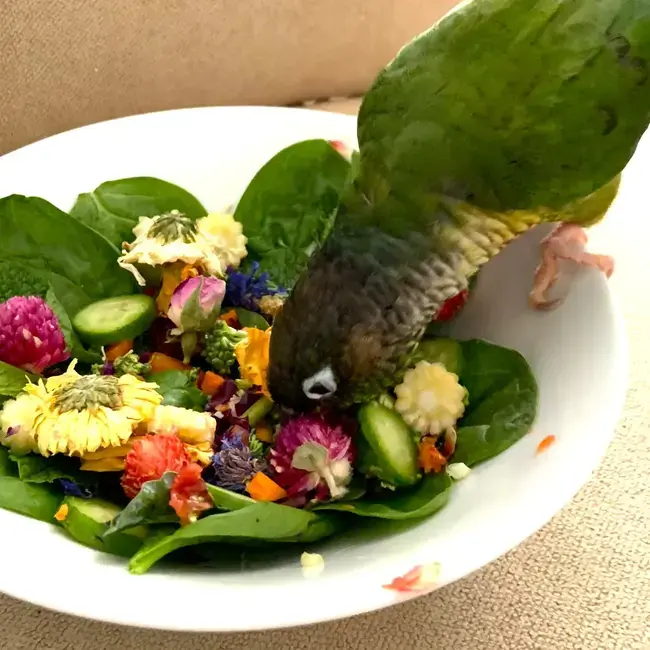

Amazon Parrot Diet
Amazon parrot diet management is one of the most important—and most misunderstood—factors in Amazon parrot care. Amazons are prone to obesity, vitamin deficiencies, hormonal imbalance, and behavioral problems when fed incorrectly. While they are enthusiastic eaters, their confidence and appetite can easily mask nutritional imbalance. A proper Amazon parrot diet supports not only physical health, but also emotional stability, vocal behavior, hormone regulation, and long-term lifespan.
This guide explains exactly what an ideal Amazon parrot diet looks like, including daily food composition, safe fresh foods, foods to avoid, feeding routines by life stage, and common mistakes that shorten lifespan.
Why Amazon Parrot Diet Matters So Much
Amazon parrots evolved to eat a diverse, seasonal, and fiber-rich diet. In captivity, however, excess fat and sugar are the most common causes of health issues.
A balanced Amazon parrot diet helps to:
- Prevent obesity and fatty liver disease
- Reduce hormonal aggression
- Support clear speech and vocal control
- Improve feather quality
- Stabilize mood and behavior
- Extend lifespan
Diet is therefore a cornerstone of all professional Parrot Care Guides.
Core Principles of a Healthy Amazon Parrot Diet
Balance Over Abundance
Amazon parrots do not need unlimited food access. Instead, they need balanced portions.
Healthy feeding focuses on:
- Variety
- Moderation
- Nutrient density
Overfeeding—even of “healthy” foods—can be harmful.
Diet Affects Behavior
Many behavior issues in Amazons are diet-related.
High-fat or high-sugar diets often cause:
- Excessive screaming
- Aggression
- Hormonal frustration
- Restlessness
Nutrition and behavior are inseparable.
Ideal Daily Amazon Parrot Diet Breakdown
1. Pellets (50–60%)
High-quality pellets should form the foundation of the diet.
Choose pellets that are:
- Dye-free
- Low in fat
- Formulated for Amazons or medium parrots
Pellets provide consistent vitamins and minerals that fresh foods alone cannot.
2. Fresh Vegetables (25–30%)
Vegetables are essential for fiber, micronutrients, and gut health.
Excellent choices include:
- Leafy greens (kale, dandelion greens, collards)
- Bell peppers
- Broccoli
- Carrots
- Squash
- Green beans
Vegetables should be offered daily.
3. Fruits (5–10%)
Fruits should be limited due to sugar content.
Safe fruits include:
- Apples (no seeds)
- Berries
- Papaya
- Mango
- Pear
Fruit should be considered a supplement, not a staple.
4. Seeds & Nuts (5% or Less)
Seeds and nuts are treats—not meals.
Use them:
- As training rewards
- During enrichment
- In very small quantities
Excess seeds are the leading cause of obesity in Amazons.
Foods to Avoid in an Amazon Parrot Diet
Never feed:
- Avocado
- Chocolate
- Caffeine
- Alcohol
- Onion
- Garlic
- High-salt foods
- Fried or processed foods
These can cause serious toxicity or organ damage.
Feeding Routine for Amazon Parrots
Predictable Feeding Supports Health
Amazon parrots thrive on routine.
A consistent feeding schedule:
- Improves digestion
- Reduces food guarding
- Stabilizes hormones
Routine importance is emphasized in Setting a Daily Parrot Routine.
Best Daily Feeding Structure
A healthy schedule often looks like:
- Morning: pellets + vegetables
- Afternoon: vegetables + limited fruit
- Evening: small portion of pellets
Avoid free-feeding all day.
Amazon Parrot Diet by Life Stage
Baby Amazons
Baby Amazons require:
- Formula during hand-feeding
- Gradual introduction to soft foods
- Careful monitoring of weight
Improper early nutrition can permanently affect development, as discussed in Raising a Baby Yellow-Naped Amazon.
Juvenile Amazons
Juveniles need:
- High-quality pellets
- Controlled treats
- Encouragement of vegetable acceptance
Diet during this stage shapes lifelong preferences, as outlined in Amazon Juvenile Growth Guide.
Adult Amazons
Adults require:
- Strict portion control
- Reduced fat intake
- High vegetable diversity
This stage is where obesity most often begins.
Breeding or Hormonal Periods
During hormonal seasons:
- Reduce fat-rich foods
- Avoid excessive fruit
- Maintain routine strictly
Dietary excess during these times often triggers aggression.
Diet and Amazon Parrot Behavior
Nutrition Directly Affects Mood
High-fat diets increase:
- Irritability
- Territoriality
- Vocal intensity
Balanced diets support emotional regulation and align with Understanding Amazon Parrot Bonding.
Diet and Vocal Performance
Clear speech and singing require:
- Proper muscle tone
- Stable energy
- Micronutrient balance
This connection is explored further in Amazon Parrot Speech Development and Amazon Parrot Singing Development.
Training and Diet: Using Food Correctly
Food as a Tool, Not a Crutch
Food should support training—not replace good communication.
Use treats:
- Sparingly
- Predictably
- As reinforcement, not bribery
Reward-based strategies align with Positive Reinforcement Training for Parrots.
Avoid Food-Based Manipulation
Never withhold meals to gain compliance.
This creates:
- Anxiety
- Distrust
- Food aggression
Common Amazon Parrot Diet Mistakes
- Seed-only diets
- Excess fruit
- Free-feeding all day
- Human junk food
- Inconsistent feeding schedules
Most Amazon health problems are diet-related—and preventable.
Monitoring Health Through Diet
Watch for:
- Weight gain
- Lethargy
- Changes in droppings
- Feather dullness
Regular weighing and veterinary checkups are essential.
Hydration and Water Quality
Fresh water must be:
- Available at all times
- Changed daily
- Free from contamination
Dehydration affects digestion and vocal ability.
Long-Term Benefits of a Proper Amazon Parrot Diet
A well-managed diet leads to:
- Longer lifespan
- Fewer vet visits
- Stable behavior
- Better bonding
- Improved communication
This is why ethical programs offering Exotic Birds for Sale increasingly educate buyers on nutrition before placement.
External Nutritional Insight
Avian nutritional research consistently shows that Amazons fed pellet-based, vegetable-rich diets live longer and experience fewer behavioral and metabolic disorders. Educational sources such as avian behavior research publications confirm that seed-heavy diets significantly shorten lifespan in Amazon parrots.
Understanding Amazon parrot diet principles is therefore essential—not optional—for responsible ownership.