
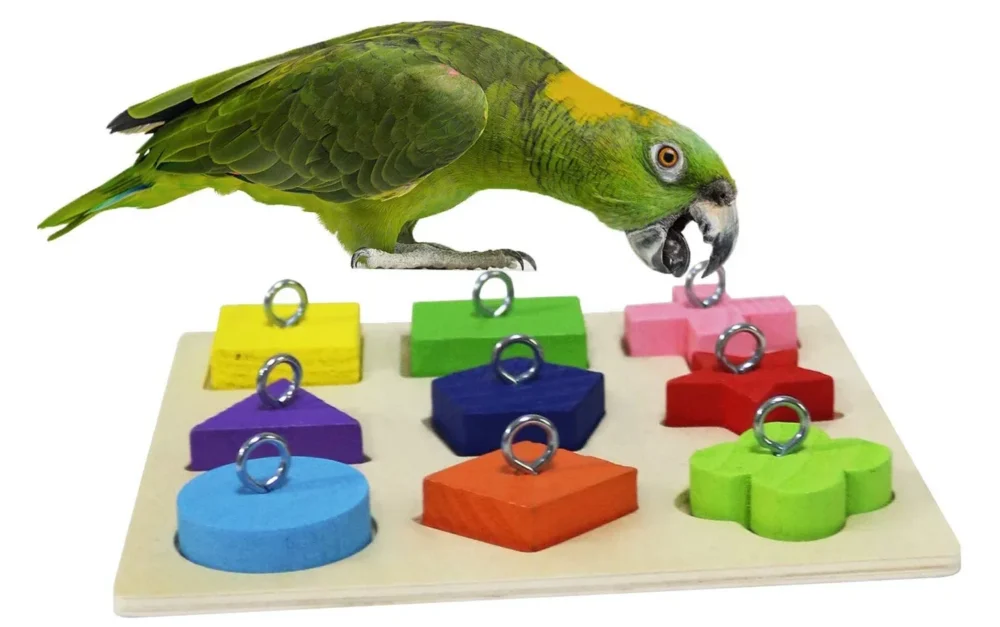

Best Toys for Intelligent Parrots
Best toys for intelligent parrots are not just entertainment—they are essential tools for cognitive development, emotional health, and behavioral stability. Highly intelligent parrots such as African Greys, Amazons, Cockatoos, and Conures thrive on mental challenges. Without the right toys, these parrots often develop frustration-driven behaviors such as screaming, feather picking, and anxiety. Choosing the right enrichment toys can transform daily life, keep curious minds engaged, and support calm, confident parrots.
This guide covers the most effective categories of toys for intelligent parrots, how to choose them safely, species-specific recommendations, and tips for rotation and enrichment routines that support long-term welfare.
Why the Best Toys for Intelligent Parrots Are Essential
Parrots are among the most cognitively advanced birds. In the wild, they spend hours:
- Foraging
- Exploring complex environments
- Solving social challenges
- Communicating with flock members
In captivity, environmental simplicity and routine can create cognitive deficiency. That is why the best toys for intelligent parrots go beyond play—they mimic natural challenges and provide mental fulfillment that parrots instinctively seek.
Providing these toys:
- Reduces boredom-driven vocalization
- Encourages problem-solving skills
- Improves emotional regulation
- Strengthens human–parrot relationships
- Enhances overall wellbeing
These principles align closely with strategies in Understanding Parrot Social Dynamics and Setting a Daily Parrot Routine, where mental stimulation plays a central role.
What Makes a Toy Great for Intelligent Parrots
Before exploring specific toys, let’s define what “best” really means:
🔹 1. Cognitive Challenge
Top toys require manipulation, decision-making, and active involvement. Simple bells or static toys aren't enough.
🔹 2. Single and Multi-Step Engagement
Great parrot toys have:
- Fiddly parts
- Hidden rewards
- Interlocking pieces
- Puzzle bases
They promote effort and rewards.
🔹 3. Changeable Difficulty
The toy should be adjustable in challenge level so parrots don’t master it too quickly.
🔹 4. Safety and Durability
Parrot beaks are powerful; toys must be non-toxic, chew-resistant, and free from small swallowable parts.
Safety is always connected to themes in Understanding Parrot Body Language since toys must not trigger fear or overstimulation.
Top Categories of Toys for Intelligent Parrots
Below are the best toys for intelligent parrots, grouped by the type of mental engagement they provide.
1️⃣ Puzzle & Foraging Toys — The Cognitive Champions
Why They’re Great
These toys mimic natural foraging behavior, requiring parrots to search, manipulate, and solve to retrieve treats.
Examples of Puzzle & Foraging Toys
- Multi-chamber foraging boxes – Hide food in compartments that require opening or lifting
- Sliding block puzzles – Move pieces to uncover rewards
- Ladders with hidden pockets – Encourage climbing and probing
- Foraging ropes with treats woven inside – Stimulate beak use and movement
How They Benefit Intelligent Parrots
- Develop problem-solving
- Increase physical activity
- Reduce boredom and stereotypic behaviors
2️⃣ Interactive Treat Dispensers — Reward Meets Logic
Why They’re Great
These toys reinforce cause-and-effect learning. Parrots must figure out how to make food appear.
Popular Reward Dispenser Types
- Ball drop feeders – Roll the parrot’s toy to release pellets
- Rotating treat wheels – Encourage turning or shifting
- Elevated treat puzzles – Require angle manipulation
Developmental Benefits
- Encourages persistence
- Offers motivation through reward feedback
- Builds confidence and focus
3️⃣ Manipulative Toys — Beak & Brain Builders
Why They’re Great
Manipulative toys focus on fine motor skills and ingenuity.
Examples
- Bead and ring manipulatives
- Interlocking wooden blocks
- Ropes with variable knots
- Pulley or sliding assemblies
What They Train
- Precision and control
- Coordination
- Patience and strategy
4️⃣ Sensory & Movement Toys — Emotional Engagement
Why They’re Great
These toys stimulate curiosity with multi-sensory triggers.
Examples
- Reflective surfaces
- Windmill/whirl toys
- Textured chewables
- Toys with subtle sound elements (no loud bells!)
Caution: Avoid loud metal bells that reinforce screaming—a nuance often discussed in Understanding Parrot Vocal Behavior.
5️⃣ Target & Training Toys — Interactive Human-Parrot Games
Why They’re Great
These toys double as training tools.
Examples include:
- Target sticks with marks
- Clicker-attached learning boards
- Task cards or symbols
Benefits:
- Improve communication
- Strengthen trust as described in How to Build Trust With Parrots
- Enrich daily interaction
Species-Specific Toy Recommendations
Different parrots have varying play styles. What’s “best” for one species may be too simple or too intense for another.
🦜 African Greys
Strengths: High problem-solving, curiosity, vocal mimicry
Best Toys:
- Advanced puzzle boxes
- Multi-step foraging boards
- Interactive touch panels
🦜 Cockatoos
Strengths: Emotional, tactile explorers
Best Toys:
- Durable manipulatives
- Heavy-duty ladders
- Interactive treat dispensers
Note: Cockatoos can develop frustration habits without proper engagement—this connects to patterns in Understanding Cockatoo Affection Signals.
🦜 Conures
Strengths: Energetic, inquisitive
Best Toys:
- Ropes and swings
- Foraging ropes with treat holes
- Hanging interactive toys
🦜 Amazons & Macaws
Strengths: Strong beaks, long play sessions
Best Toys:
- Large scale puzzles
- Heavy chewing blocks
- Multi-material manipulatives
How to Choose Safe Parrot Toys
Safety is paramount with intelligent parrots that chew relentlessly.
✔ Choose Non-Toxic Materials
- Untreated hardwood
- Bird-safe plastics
- Natural fiber ropes
Never use:
- Lead, zinc, toxic paints
- Strings > 2–3 inches that risk entanglement
Safety overlaps with what you learn in Understanding Parrot Body Language, because stressed birds handle toys differently.
How to Rotate Toys for Maximum Engagement
Parrots quickly lose interest if toys become predictable. A proper toy rotation routine keeps novelty and challenge alive.
Rotation Strategies
- Rotate weekly or bi-weekly
- Swap puzzle complexity up or down
- Pair new toys with familiar favorites
- Introduce seasonal or themed challenges
Consistent routines—like those in Setting a Daily Parrot Routine—help parrots anticipate playtime without anxiety.
DIY Toy Ideas (Safe & Smart)
For owners who enjoy creativity:
DIY Foraging Box
A simple box with slots and hidden treats is low-cost and highly engaging.
Puzzle Hanging Boards
Use layered cardboard, bird-safe beads, and hidden compartments.
Rope Mazes
Interwoven natural fiber ropes create climbing and probing paths.
Always supervise DIY toys until safety is confirmed.
Signs a Toy Is Too Easy—or Too Frustrating
Too Easy
- Immediate mastery
- No manipulation beyond pecking
- Rapid disinterest
Too Hard
- Avoidance
- Signs of stress (pacing, loud screaming)
- Repeated refusal
Adjust difficulty gradually. This mirrors the emotional balance principles found in Understanding Parrot Emotions.
Integrating Toys With Training and Bonding
Toys shouldn’t replace interaction—they should enhance it.
Strategies for Integration
- Use training toys during Positive Reinforcement Training for Parrots
- Offer puzzle challenges during calm interaction windows
- Include toys in supervised free-flight or playstand sessions
This balanced enrichment supports both mental and emotional growth.
When Toy Behavior Signals a Deeper Issue
Sometimes play patterns reveal emotional imbalance.
Red Flags
- Obsessive chewing outside toy interaction
- Destructive behavior unrelated to play
- Extreme frustration or aggression around toys
These signs may overlap with behaviors discussed in Understanding Parrot Social Dynamics and may require assessment.
How to Store and Care for Parrot Toys
Proper toy maintenance extends life and safety.
Best Practices
- Clean weekly (non-toxic cleaning solution)
- Check for loose parts
- Replace worn materials promptly
- Discard unsafe DIY attempts
Good care prevents injury and preserves engagement levels.
Long-Term Benefits of Using the Best Toys for Intelligent Parrots
When intelligent parrots are consistently engaged with the right toys:
- Cognitive development accelerates
- Behavioral problems decrease
- Emotional stability improves
- Human–parrot communication deepens
These outcomes align with ethical aviculture priorities and reflect the long-term welfare goals of Parrot Care Guides.