
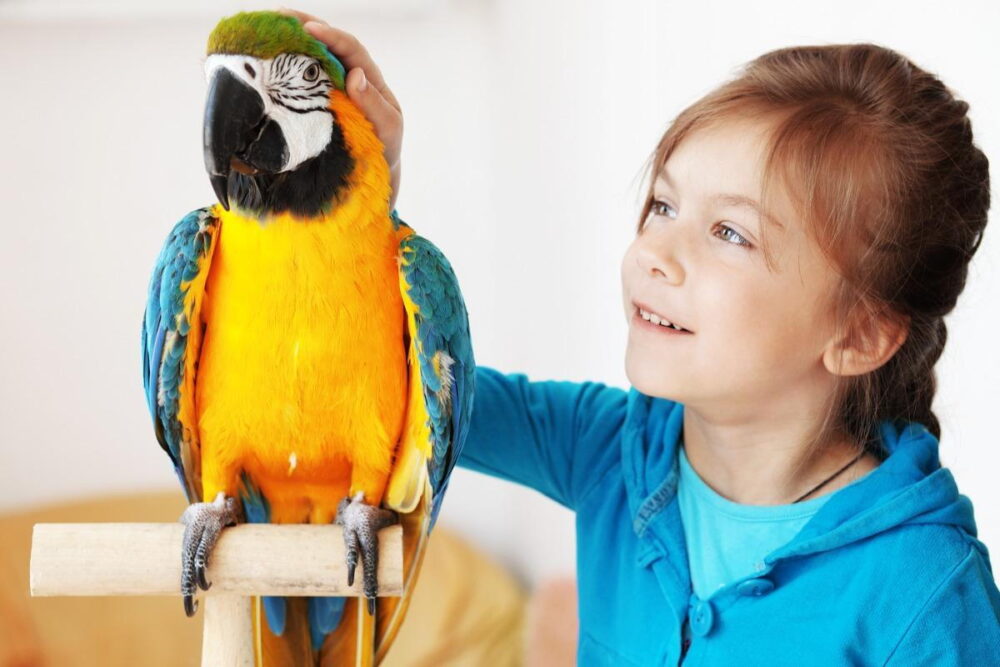

Choosing a Playful Parrot Species
Choosing a playful parrot species is an exciting decision for people who enjoy interaction, movement, curiosity, and daily engagement. Playful parrots are energetic, intelligent, and highly social birds that thrive on stimulation, exploration, and shared activities. However, playfulness also comes with responsibility. Without proper outlets, playful parrots can quickly become frustrated, noisy, or destructive.
This guide explains how to choose a playful parrot species responsibly, which species are known for playful behavior, and how lifestyle, environments, and expectations should shape your choice. Choosing a playful parrot species wisely leads to joyful companionship, while poor matching often leads to stress for both bird and owner.
Why Choosing a Playful Parrot Species Requires Planning
Playfulness in parrots is not random—it is a reflection of intelligence, curiosity, and emotional engagement. While playful parrots are entertaining, they also require:
- Daily interaction
- Mental stimulation
- Enrichment and exploration
- Emotional awareness from caretakers
Choosing a playful parrot species without understanding these needs often results in screaming, biting, or destructive behavior. This is why temperament-based selection is a major focus in ethical Parrot Care Guides.
What Makes a Parrot “Playful”?
A playful parrot species typically shows:
- Curiosity toward objects and people
- Enjoyment of toys and games
- Frequent movement and exploration
- Willingness to engage with humans
- Fast learning through interaction
Playful parrots are not hyperactive by default. Instead, they seek engagement and stimulation. When these needs are met, playful parrots are joyful and emotionally balanced.
Lifestyle Factors to Consider When Choosing a Playful Parrot Species
Before choosing a playful parrot species, it is important to assess your lifestyle honestly.
Time and Daily Interaction
Playful parrots require daily engagement. If left without interaction, they may invent their own stimulation—often in destructive or noisy ways.
Ask yourself:
- Can I provide daily play and enrichment time?
- Am I comfortable interacting multiple times a day?
If not, a calmer species may be a better fit.
Noise Tolerance
Many playful parrots are vocal. Their excitement often translates into sound.
Understanding vocal behavior is essential, which is why this topic closely connects to guidance found in Parrot Vocalization Guide resources.
Home Environment
Playful parrots need space to climb, explore, and play safely. A restrictive environment suppresses playfulness and increases frustration.
A supportive environment should include:
- Safe play stands
- Rotated toys
- Supervised out-of-cage time
Environmental preparation is as important as species choice.
Popular Playful Parrot Species to Consider
Conures – The Definition of Playful Energy
Conures are among the most playful parrots. They are energetic, affectionate, and thrive on interaction.
Typical traits include:
- High curiosity
- Love of games and toys
- Strong social bonds
- Expressive body language
However, they can be loud and require active management.
Caiques – Endless Motion and Humor
Caiques are often described as clownish due to their constant movement and playful antics.
They are known for:
- Hopping and dancing
- Strong toy engagement
- High intelligence
- Bold personalities
Caiques require structured playtime and consistent boundaries to remain balanced.
Budgerigars (Budgies) – Small but Highly Playful
Despite their size, budgies are extremely playful and curious.
They are ideal for:
- Owners with limited space
- People who enjoy frequent interaction
- Those willing to provide enrichment
Budgies are socially intelligent and thrive when mentally stimulated.
Cockatiels – Playful Yet Emotionally Gentle
Cockatiels balance playfulness with emotional softness.
They enjoy:
- Interactive toys
- Whistling and mimicry
- Gentle physical play
Their playful nature is less intense, making them suitable for many households.
Quaker (Monk) Parakeets – Intelligent and Engaging
Quakers are playful builders and problem-solvers.
They display:
- Strong curiosity
- Creative play behavior
- High interaction needs
Their intelligence makes them rewarding but demanding companions.
Playful Does Not Mean Easy
One of the most common mistakes when choosing a playful parrot species is assuming playful equals easy.
Playful parrots:
- Get bored quickly
- Require routine and structure
- Need clear boundaries
- Must be mentally challenged
Without guidance, playfulness can turn into overstimulation or frustration.
The Role of Routine for Playful Parrots
Playful parrots benefit greatly from predictability. A structured day helps regulate excitement and prevent chaos.
A healthy routine includes:
- Scheduled playtime
- Training sessions
- Rest periods
- Consistent sleep
This balance is essential and strongly supported by strategies explained in Setting a Daily Parrot Routine resources.
Training and Playfulness
Training channels playfulness into learning.
Reward-based interaction methods outlined in Positive Reinforcement Training for Parrots allow playful parrots to:
- Use energy productively
- Learn boundaries
- Build confidence
- Strengthen trust
Playful parrots excel at training when it feels like a game.
Emotional Balance in Playful Parrot Species
Playfulness must be paired with emotional stability.
Playful parrots that are emotionally supported:
- Settle more easily
- Show fewer aggressive behaviors
- Adapt better to change
- Bond more healthily
Mismanaged playfulness often overlaps with emotional issues discussed in Understanding Parrot Emotions education.
Playful Parrots in Multi-Person Homes
Playful parrots often enjoy multiple people when interaction is consistent.
To support this:
- Rotate play and training roles
- Avoid exclusive one-person bonding
- Keep rules consistent
This prevents over-dependence and supports balanced bonding.
Noise and Playful Parrot Species
Playful parrots often vocalize during excitement.
While noise cannot be eliminated, it can be managed by:
- Predictable schedules
- Adequate enrichment
- Calm human responses
Understanding communication through sound aligns closely with Parrot Vocalization Guide principles.
Common Mistakes When Choosing a Playful Parrot Species
- Choosing based on cuteness alone
- Underestimating energy levels
- Providing too few toys
- Skipping training
- Ignoring rest needs
Playful parrots need guidance as much as freedom.
Long-Term Success With a Playful Parrot Species
When chosen responsibly, playful parrots offer:
- Daily joy and engagement
- Strong emotional bonds
- Intelligent companionship
- Enriching shared routines
Ethical breeders and families offering Exotic Birds for Sale increasingly emphasize temperament education to ensure lasting, positive placements.
External Behavioral Insight
Avian behavior research consistently shows that parrots with higher play drive require structured enrichment to prevent stress behaviors. Educational sources such as avian behavior research publications confirm that play is essential—but only when balanced with routine and emotional security.