
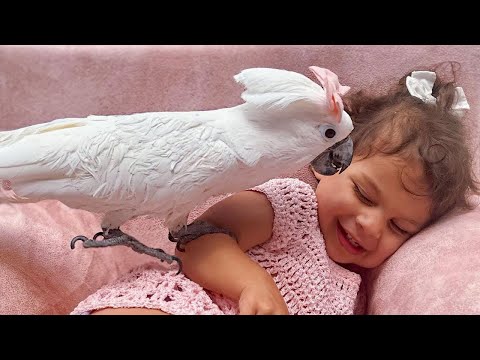

Choosing Your First Parrot
Choosing your first parrot is an exciting milestone, but it is also a decision that carries long-term responsibility. Parrots are intelligent, emotional, and highly social animals that can live for decades. Selecting the wrong species, environment, or expectations often leads to stress, behavioral problems, and rehoming. On the other hand, choosing your first parrot thoughtfully creates the foundation for a rewarding, stable, and lifelong relationship.
This guide explains how to choose your first parrot responsibly, what beginners should realistically expect, and how lifestyle, temperament, and environment should guide your decision—not impulse or appearance.
Why Choosing Your First Parrot Requires Careful Planning
Unlike common pets, parrots are not domesticated animals. They retain wild instincts, complex emotional needs, and advanced intelligence. Therefore, choosing your first parrot is less about preference and more about compatibility.
A well-matched first parrot:
- Adapts better to home life
- Develops fewer behavioral issues
- Builds trust more easily
- Thrives emotionally and socially
These principles are emphasized throughout professional Parrot Care Guides, because preparation is the strongest predictor of success.
Understanding What Life With a Parrot Is Really Like
Before choosing your first parrot, it is important to understand daily realities.
Parrots require:
- Daily interaction and mental stimulation
- Predictable routines
- Noise tolerance
- Long-term commitment (often 15–50+ years)
- Emotional awareness from their caretakers
Parrots are not decorative pets or short-term companions. Choosing your first parrot should only happen when time, patience, and consistency are available.
Key Factors to Consider When Choosing Your First Parrot
Time and Daily Commitment
Some parrots demand constant interaction, while others tolerate independence better. Choosing your first parrot means honestly evaluating how much time you can provide every day—not occasionally.
Parrots left without engagement often develop screaming, feather plucking, or aggression.
Noise Tolerance
All parrots vocalize. However, volume and frequency vary widely by species.
Before choosing your first parrot, consider:
- Apartment vs house living
- Neighbors and shared walls
- Your tolerance for sound
Noise-related challenges are commonly discussed alongside Parrot Vocalization Guide education and should never be ignored.
Space and Environment
Parrots need room to move, play, and feel secure. Even small species require proper cage size and out-of-cage time.
A suitable environment includes:
- Safe cage placement
- Enrichment space
- Predictable household energy
Environmental preparation is just as important as species choice and is often covered in Parrot Care Guides for beginners.
Best Parrot Species for First-Time Owners
While individual personality matters, some species are more forgiving and adaptable for beginners.
Cockatiels
Cockatiels are often recommended when choosing your first parrot.
Why they work well:
- Gentle temperament
- Soft vocalizations
- Strong bonding without extreme dependency
- Good emotional resilience
They are affectionate yet not overwhelming.
Budgerigars (Budgies)
Budgies are small, intelligent, and emotionally responsive.
They are suitable for beginners because:
- They adapt quickly
- They show gentle behavior when socialized
- They require less physical space
Despite their size, they still need attention and mental stimulation.
Pionus Parrots
Pionus parrots are calm and emotionally balanced.
They are often chosen by beginners who want:
- Lower noise levels
- Predictable behavior
- Quiet affection
They thrive in structured, low-stimulation homes.
Senegal and Other Poicephalus Parrots
These parrots are steady and observant.
They suit beginners who:
- Respect boundaries
- Prefer calmer interaction
- Can maintain consistent routines
They form strong bonds without excessive emotional demand.
Species Beginners Should Approach With Caution
Choosing your first parrot does not mean choosing the most impressive or popular species.
High-intensity parrots often unsuitable for beginners include:
- Large macaws
- Most cockatoo species
- Highly demanding conures
These parrots require advanced experience, emotional management, and high tolerance for noise and attention needs—topics often discussed in Cockatoo Bonding education.
Temperament Matters More Than Talking Ability
Many first-time buyers focus on speech potential. However, talking ability should never be the main reason for choosing your first parrot.
Speech:
- Is not guaranteed
- Varies by individual
- Depends on environment and bonding
Temperament, emotional stability, and compatibility matter far more than words.
Age Considerations When Choosing Your First Parrot
Baby Parrots
Baby parrots bond easily and adapt quickly. However, they require careful guidance to prevent over-bonding and future behavioral issues.
Adult Parrots
Adult parrots can make excellent first companions. They often have established personalities, which makes expectations clearer.
Patience is essential, especially if the bird has experienced change or rehoming.
The Role of Routine in First-Time Parrot Success
Parrots thrive on predictability. Beginners who establish structure early see better outcomes.
A healthy daily routine includes:
- Consistent wake-up and sleep times
- Scheduled feeding
- Planned interaction and rest
This structure reduces anxiety and supports emotional balance, especially when paired with methods explained in Positive Reinforcement Training for Parrots.
Training and Communication for Beginners
Training is not about control—it is about communication.
First-time owners should focus on:
- Trust-based interaction
- Choice and cooperation
- Calm, reward-based learning
Training builds confidence in both the parrot and the owner, reducing fear-based behaviors.
Common Beginner Mistakes When Choosing Your First Parrot
- Choosing based on appearance alone
- Underestimating noise and mess
- Expecting constant affection
- Ignoring lifespan commitment
- Failing to prepare the home environment
Avoiding these mistakes dramatically improves long-term success.
Choosing a Reputable Source for Your First Parrot
Where you acquire your parrot matters.
Ethical sources:
- Prioritize health and welfare
- Provide accurate temperament information
- Educate buyers honestly
- Support long-term success
This is especially important for those exploring Parrots for Sale Worldwide, where transparency and responsible placement reduce future problems.
Preparing Emotionally for Your First Parrot
Choosing your first parrot also means preparing yourself.
Successful owners:
- Stay calm under stress
- Learn to read body language
- Respect boundaries
- Adapt expectations
Parrots mirror human emotion. Calm, consistent caretakers raise calmer birds.
Long-Term Commitment and Responsibility
Parrots are lifetime companions. Choosing your first parrot is not just a purchase—it is a promise.
Long-term benefits of choosing wisely include:
- Strong emotional bonds
- Fewer behavioral issues
- Stable companionship
- Ethical ownership satisfaction
Responsible breeders and families offering Exotic Birds for Sale increasingly emphasize education over impulse to ensure lifelong success.