

Cockatiel Care Guide
Welcoming a cockatiel into your life is an invitation to share space with a gentle, emotionally aware companion. This cockatiel care guide is written for real owners—families, first-time bird keepers, and long-term enthusiasts—who want to do things properly from day one. Cockatiels are not fragile ornaments, nor are they low-effort pets. They are intelligent parrots with subtle communication, strong routines, and a need for ethical, consistent care that supports their physical and emotional health over many years.
This guide explains what truly matters: temperament, bonding, housing, nutrition, enrichment, health awareness, and responsible ownership. The goal is not perfection, but understanding—so your cockatiel can thrive as a confident, well-adjusted companion.
Understanding Cockatiels as Companion Parrots
Natural Background and Behavioral Foundations
Cockatiels originate from Australia’s open woodlands and grasslands, where they live in flocks and travel frequently to forage. This background explains many traits seen in captivity: their need for social contact, sensitivity to routine changes, and love of whistling and visual engagement.
Unlike larger parrots, cockatiels rely heavily on subtle cues rather than bold displays. Reading these cues early helps prevent misunderstandings that often lead to stress or withdrawal.
Temperament: Calm, Observant, and Social
Most cockatiels are known for their gentle nature. They tend to be:
- Curious but cautious in new environments
- Strongly attached to familiar people
- Expressive through body language and sound rather than aggression
Understanding cockatiel temperament and personality helps owners respond appropriately, especially during the early adjustment period.
Early Care: Setting the Right Foundation
The First Weeks at Home
The initial transition into a new home can shape a cockatiel’s confidence for years. During this time:
- Keep the environment quiet and predictable
- Allow the bird to observe before expecting interaction
- Speak softly and move calmly around the cage
Avoid rushing physical contact. Trust develops faster when the bird feels safe and respected.
Hand-Tamed vs. Aviary-Raised Cockatiels
Hand-tamed cockatiels often adapt more quickly to human routines, but aviary-raised birds can bond just as deeply with patience. The difference lies not in value, but in approach.
This stage is central to bringing home a young cockatiel, as early experiences influence long-term social behavior.
Housing and Environment
Choosing the Right Cage
Cockatiels need space to move, stretch, and climb. A cage should allow full wing extension and include horizontal bars for climbing. Bigger is always better when space allows.
Ideal placement includes:
- Eye-level positioning for security
- One side against a wall
- Access to natural daylight without drafts
Avoid placing the cage in kitchens or high-traffic walkways where sudden movement can cause stress.
Creating a Predictable Daily Rhythm
Cockatiels feel safest when days follow a familiar pattern. Consistent feeding times, light cycles, and interaction periods reduce anxiety and encourage positive behavior.
Enrichment and Mental Stimulation
Why Enrichment Is Essential
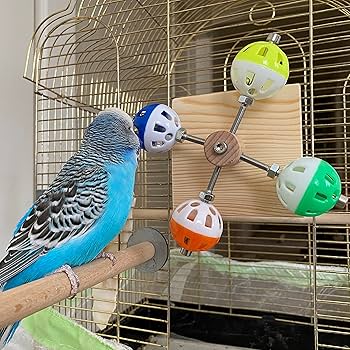
Mental stimulation is as important as food and shelter. Without it, cockatiels may develop boredom-related behaviors such as repetitive calling or feather damage.
Effective enrichment includes:
- Shreddable toys made of paper, palm, or soft wood
- Simple foraging activities
- Visual interaction with the household
Rotating toys weekly keeps curiosity alive without overwhelming the bird.
Proper enrichment supports cockatiel enrichment and play needs, promoting emotional balance and confidence.
Nutrition: Feeding for Long-Term Health
Building a Balanced Diet
A healthy cockatiel diet is varied and thoughtful. Seed-only diets are outdated and often lead to nutritional deficiencies over time.
A responsible diet includes:
- High-quality pellets as a nutritional base
- Fresh vegetables daily (leafy greens, carrots, squash)
- Limited fruit offered occasionally
- Seeds used sparingly as treats or training rewards
Fresh water should be available at all times and changed daily.
Feeding as a Bonding Opportunity
Sharing calm moments during feeding helps build trust without creating dependency. Speak gently, avoid hand-feeding excessively, and allow the bird to eat undisturbed.
Following a consistent routine supports cockatiel diet and feeding schedule best practices.
Communication and Social Bonding
Understanding Cockatiel Vocalizations
Cockatiels are expressive but rarely loud without reason. Whistling, soft chirps, and contact calls often signal contentment or curiosity.
Excessive screaming usually indicates unmet needs—such as boredom, loneliness, or environmental stress—rather than defiance.
Building Trust Through Respect
Bonding happens through:
- Predictable interactions
- Gentle voice tones
- Respect for personal space
Never force handling. A cockatiel that chooses to step up does so with confidence, not fear.
This approach is essential for bonding with your cockatiel naturally, without creating anxiety or mistrust.
Health Awareness and Preventive Care
Recognizing Subtle Health Signals
Cockatiels instinctively hide illness, so early detection depends on observation. Watch for changes in:
- Appetite
- Droppings
- Posture or feather condition
- Activity level
Any sudden change should be taken seriously.
Routine checkups with an avian veterinarian support long-term well-being. Educational resources such as basic avian health monitoring principles and ethical companion bird care guidelines help owners stay informed without panic.
Hygiene and Cleanliness
Clean food dishes daily and deep-clean the cage weekly. Good hygiene prevents bacterial growth and supports respiratory health.
Hormonal Changes and Maturity
Understanding Seasonal Behavior
As cockatiels mature, especially around 6–12 months, hormonal behaviors may appear. These can include increased vocalization or territorial tendencies.
Management strategies include:
- Avoiding nest-like spaces
- Limiting daylight hours slightly during peak seasons
- Reducing high-fat foods
Patience and consistency help these phases pass smoothly.
This knowledge is vital when managing cockatiel hormonal behavior responsibly.
Ethical Ownership and Long-Term Commitment
Lifespan and Responsibility
Cockatiels commonly live 15–25 years with proper care. Ownership should be viewed as a long-term relationship, not a temporary hobby.
Responsible planning includes:
- Stable housing plans
- Emergency care access
- Consideration for future life changes
Understanding ethical cockatiel ownership standards ensures the bird’s needs remain a priority throughout its life.
Choosing Ethical Sources
Always seek birds bred and raised responsibly. Ethical breeders prioritize health, proper weaning, and transparency over volume.
Final Thoughts
Cockatiels may be small in size, but they bring immense emotional presence into a home. When cared for with patience, structure, and empathy, they become trusting companions who communicate in quiet, meaningful ways.
This cockatiel care guide is not about shortcuts or trends—only about informed, ethical care that respects the bird as an individual. Owners who invest time and understanding are rewarded with years of gentle companionship and shared routines.