
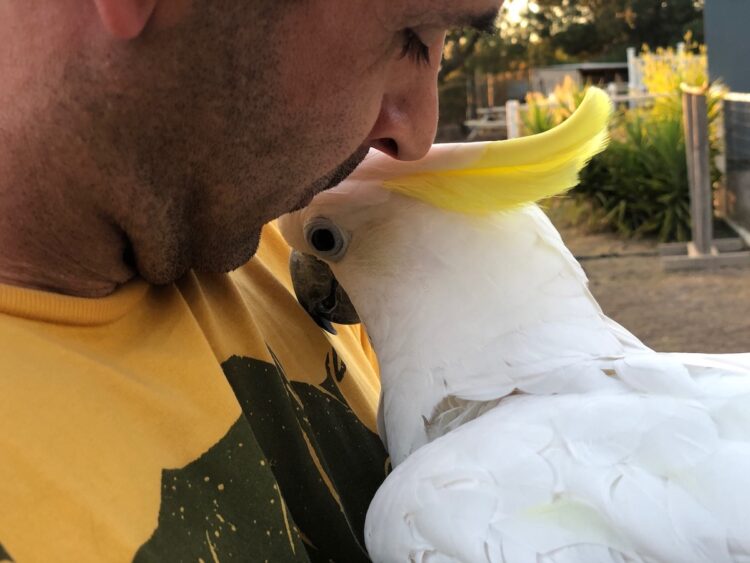

Cockatoo Bonding
Cockatoo bonding is one of the most intense and emotionally rich relationships found in the avian world. Cockatoos are not just intelligent parrots—they are deeply social, emotionally expressive, and strongly attachment-oriented birds. When bonding is healthy, cockatoos become affectionate, trusting, and responsive companions. However, when bonding is misunderstood or mishandled, it can lead to dependency, anxiety, screaming, or aggression.
Understanding cockatoo bonding is therefore essential for anyone committed to ethical ownership, long-term welfare, and responsible placement. This topic is central to modern Parrot Care Guides and is especially important for families, breeders, and professionals working with emotionally sensitive species.
What Is Cockatoo Bonding?
Cockatoo bonding refers to the emotional attachment a cockatoo forms with another being—most often a human caretaker, but sometimes another bird. In the wild, cockatoos form lifelong bonds within complex social flocks. These bonds are built on constant interaction, communication, and mutual reliance.
In captivity, cockatoos naturally transfer this bonding instinct to humans. While this can create extraordinary companionship, it also means cockatoos are vulnerable to emotional imbalance if bonding is not guided carefully.
Bonding is not ownership or control. It is a relationship built on trust, consistency, and emotional safety.
Why Cockatoos Bond More Intensely Than Many Other Parrots
Cockatoos are biologically wired for closeness. Compared to many parrots, they exhibit:
- Higher emotional sensitivity
- Stronger need for physical proximity
- Greater reliance on social feedback
- Deep attachment to routine and familiar individuals
This is why cockatoos often seek cuddling, constant presence, and reassurance. Without proper structure, this intensity can turn into over-bonding, separation anxiety, or hormonal frustration.
Responsible owners and breeders must therefore aim for balanced bonding, not exclusive dependency.
Healthy Bonding vs Unhealthy Over-Bonding
Signs of Healthy Cockatoo Bonding
- The cockatoo seeks interaction but can self-entertain
- Accepts multiple family members
- Remains calm when the primary caretaker leaves
- Displays curiosity rather than distress in new environments
- Responds well to routine handling and training
Signs of Unhealthy Over-Bonding
- Screaming or panic when one person leaves
- Aggression toward other people or birds
- Excessive regurgitation or sexualized behavior
- Feather plucking linked to emotional stress
- Refusal to interact with anyone else
Recognizing the difference early is critical. Many behavioral issues seen in surrendered cockatoos stem from unmanaged bonding rather than “bad temperament.”
Building Trust as the Foundation of Cockatoo Bonding
Trust is the cornerstone of all cockatoo bonding. Without trust, affection becomes unstable and fear-based behaviors emerge.
Consistency Builds Security
Cockatoos thrive on predictable routines. Feeding times, interaction schedules, and sleep cycles should remain consistent. This predictability reassures the bird that its environment is safe.
Respect Personal Boundaries
While cockatoos enjoy affection, forced cuddling or constant handling can overwhelm them. Allow the bird to initiate contact. Respecting boundaries strengthens trust far more than constant touch.
Calm, Clear Communication
Cockatoos read tone and body language closely. Calm speech, gentle movements, and predictable responses help the bird feel emotionally secure.
The Role of Training in Healthy Cockatoo Bonding
Training is often misunderstood as discipline. In reality, training—especially reward-based training—strengthens communication and trust.
Positive, choice-based interaction teaches cockatoos that humans are predictable and safe. This approach aligns closely with methods discussed in Positive Reinforcement Training for Parrots, where cooperation replaces control.
Training sessions also provide mental stimulation, which reduces emotional dependency by giving the cockatoo confidence and autonomy.
Cockatoo Bonding at Different Life Stages
Baby and Juvenile Cockatoos
Young cockatoos bond quickly and deeply. Early socialization is critical. They should interact with multiple people to prevent exclusive attachment.
Structured affection, short training sessions, and independent play help build emotional resilience.
Adult Cockatoos
Adult cockatoos can form strong bonds even after rehoming. However, patience is essential. Trust may develop slowly, especially if the bird has experienced abandonment or instability.
Consistency and emotional neutrality—rather than intense affection—are key in the early stages.
Rehomed or Relocated Cockatoos
Relocated birds often experience bonding confusion or grief. Gentle routines, predictable care, and gradual relationship building are essential, particularly for birds moved under International Bird Shipping Policy frameworks.
Cockatoo Bonding in Multi-Person Households
One of the healthiest bonding goals is teaching a cockatoo to trust more than one person. This reduces stress, prevents aggression, and supports long-term placement success.
How to Encourage Shared Bonding
- Rotate feeding and training responsibilities
- Allow different people to offer treats and enrichment
- Avoid letting one person become the sole source of affection
- Maintain consistent rules and cues across caregivers
This approach is especially important for families exploring Cockatoos for Sale who want a well-adjusted, family-friendly companion.
Bonding With Paired vs Single Cockatoos
Bonded Cockatoo Pairs
Bonded pairs rely primarily on each other for emotional fulfillment. Human interaction remains important but should not replace the pair bond.
Paired cockatoos often show more emotional stability but require larger space and careful management.
Single Cockatoos
Single cockatoos rely more heavily on human relationships. This increases the responsibility on the caretaker to provide enrichment, structure, and emotional balance.
Single birds must never be treated as substitutes for human emotional needs.
Common Mistakes That Damage Cockatoo Bonding
- Encouraging sexualized cuddling (under wings or on back)
- Reinforcing screaming with attention
- Allowing exclusive one-person attachment
- Inconsistent routines
- Treating affection as a reward rather than trust
These mistakes often come from good intentions but can create long-term behavioral challenges.
Cockatoo Bonding and Long-Term Welfare
Healthy bonding supports emotional stability, adaptability, and longevity. Cockatoos with balanced relationships are:
- Easier to handle
- Less prone to anxiety disorders
- More adaptable to life changes
- Better candidates for responsible placement
For professional aviaries and ethical breeders offering Exotic Birds for Sale, educating buyers about bonding is essential to reduce rehoming and abandonment.
External Behavioral Insights
Modern avian behavioral studies and welfare frameworks consistently emphasize emotional management in cockatoos. Resources such as avian behavior research publications highlight that unmanaged bonding is one of the leading causes of chronic stress behaviors in captive cockatoos.
This reinforces the importance of education, preparation, and ethical ownership.