
Common Parrot Health Issues
Understanding common parrot health issues is one of the most important responsibilities of ownership. Parrots are prey animals, which means they instinctively hide weakness. By the time obvious symptoms appear, illness may already be advanced. For this reason, early observation and preventive care are not optional—they are essential.
This guide explains the most common health concerns seen in companion parrots, what early warning signs look like, how environment and diet influence disease risk, and when professional veterinary care becomes urgent. While no guide replaces an avian veterinarian, informed owners often detect subtle problems sooner—and that can save lives.
Why Parrots Hide Illness So Well
Survival Instinct Drives Silence
In the wild, a sick bird attracts predators. Therefore, parrots naturally:
- Suppress visible weakness
- Maintain posture despite discomfort
- Continue eating until severely ill
Because of this, owners must learn to notice small changes.
Understanding why parrots conceal health problems is the foundation of preventive care.
Respiratory Issues in Parrots
Common Causes
Respiratory illness may result from:
- Poor air quality
- Smoke exposure
- Aerosol sprays
- Bacterial or fungal infections
Parrots have highly sensitive respiratory systems.
Early Warning Signs
Watch for:
- Tail bobbing while breathing
- Open-mouth breathing
- Wheezing or clicking sounds
- Nasal discharge
- Reduced activity
Respiratory distress is always urgent.
Understanding early signs of respiratory problems in parrots can prevent life-threatening progression.
Feather and Skin Problems
Feather Destruction
Feather chewing or plucking may reflect:
- Diet imbalance
- Hormonal shifts
- Stress
- Environmental dryness
Feather damage is rarely “just behavioral.”
Feather Stress Bars
Horizontal lines across feathers indicate:
- Nutritional stress
- Sudden environmental changes
- Illness during feather growth
Understanding feather condition as a health indicator in parrots provides valuable clues.
Dry Skin and Irritation
Indoor environments often lack humidity. This may cause:
- Itchy skin
- Over-preening
- Flaky appearance
Regular bathing and appropriate diet support skin health.
Digestive and Nutritional Problems
Poor Diet Is a Leading Cause of Illness
Common diet-related conditions include:
- Vitamin deficiencies
- Fatty liver disease
- Obesity
- Gastrointestinal imbalance
Seed-only diets are a major contributor to long-term health decline.
Understanding nutrition-related health issues in parrots helps prevent chronic disease.
Changes in Droppings
Healthy droppings typically show:
- Formed fecal portion
- White urates
- Clear urine component
Sudden changes in color, consistency, or frequency require attention.
Beak and Nail Disorders
Overgrown Beak
Beak overgrowth may indicate:
- Liver disease
- Nutritional imbalance
- Lack of natural chewing surfaces
Healthy beaks wear down naturally with proper enrichment.
Nail Problems
Excessively long nails can:
- Affect posture
- Cause foot strain
- Increase injury risk
Proper perch variety helps manage nail length naturally.
Understanding beak and nail health in parrots supports long-term mobility.
Psittacosis (Parrot Fever)
What It Is
Psittacosis is a bacterial infection that can affect both parrots and humans. While not extremely common, it is serious.
Symptoms may include:
- Lethargy
- Nasal discharge
- Weight loss
- Respiratory distress
Because it is zoonotic (can spread to humans), veterinary evaluation is essential.
Understanding psittacosis symptoms in parrots helps protect both birds and owners.
Obesity and Fatty Liver Disease
A Hidden but Common Issue
Overfeeding seeds, nuts, and treats leads to:
- Weight gain
- Reduced activity
- Liver strain
Obesity increases risk of heart and liver problems.
Subtle Signs of Weight Problems
Look for:
- Prominent chest fat
- Reduced stamina
- Reluctance to move
Regular weighing provides the most accurate monitoring.
Understanding obesity risks in pet parrots is critical for longevity.
Hormonal and Reproductive Problems
Chronic Egg Laying
Female parrots may lay eggs excessively when:
- Light cycles are too long
- Diet is rich
- Nest-like spaces are present
Chronic egg laying can cause calcium depletion and serious health risks.
Hormone-Related Aggression and Stress
Hormonal imbalance may also lead to:
- Increased irritability
- Feather damage
- Territorial behavior
Environmental management often reduces symptoms.
Understanding hormonal health issues in parrots prevents escalation.
Neurological Symptoms
Signs That Require Immediate Attention
Seek veterinary care if you observe:
- Loss of balance
- Tremors
- Seizures
- Sudden personality changes
Neurological symptoms are always urgent and require professional evaluation.
Parasites and Infections
External Parasites
While less common in indoor birds, mites or lice may cause:
- Excessive scratching
- Feather damage
- Skin irritation
Internal Infections
Bacterial or fungal infections may cause:
- Appetite loss
- Lethargy
- Digestive upset
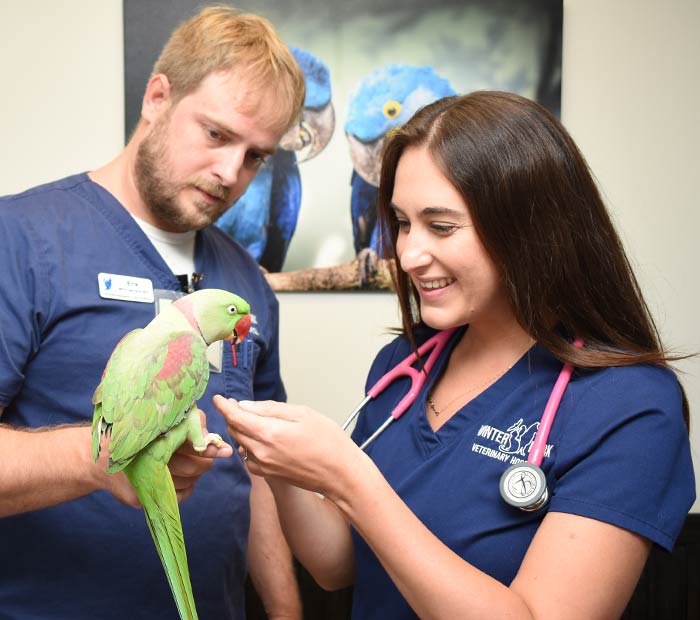
Routine wellness exams detect many issues early.
Understanding infection risks in companion parrots emphasizes preventive care.
Signs You Should Never Ignore
Immediate veterinary attention is required for:
- Labored breathing
- Persistent vomiting
- Blood in droppings
- Severe lethargy
- Sudden weight loss
- Swelling or visible injury
Delaying care often worsens outcomes.
Preventive Health Practices
Routine Wellness Exams
Annual avian veterinary exams allow:
- Baseline bloodwork
- Weight tracking
- Early detection
Preventive care is less expensive and less stressful than emergency treatment.
Daily Observation Routine
Every owner should:
- Monitor appetite
- Observe droppings
- Watch activity levels
- Notice feather changes
Small changes often precede major illness.
Understanding preventive health care for parrots is the best defense against disease.
Environmental Factors That Affect Health
Air Quality
Avoid:
- Non-stick cookware fumes
- Scented candles
- Smoke
- Aerosol cleaners
Parrots’ respiratory systems are extremely sensitive.
Cleanliness
Regular cleaning prevents:
- Bacterial growth
- Mold
- Parasite spread
Hygiene is a fundamental health practice.
Emotional Health and Physical Health Are Connected
Stress weakens immune function. Parrots experiencing chronic stress may:
- Become more susceptible to illness
- Develop feather problems
- Show reduced appetite
Understanding the link between stress and parrot health helps prevent both behavioral and physical problems.
Final Thoughts
Recognizing common parrot health issues early can make the difference between manageable treatment and emergency crisis. Parrots depend entirely on their owners to notice subtle changes and act responsibly.
Health is not just about reacting to illness—it is about maintaining proper diet, clean air, stable routines, and regular veterinary care. When preventive practices become part of daily life, parrots are far more likely to live long, stable, and healthy lives.
Observation, education, and proactive care are the strongest tools any parrot owner can have.