

Complete Eclectus Parrot Care Guide
Eclectus parrots are among the most visually striking and biologically unique companion parrots in the world. This Complete Eclectus Parrot Care Guide is designed for serious bird owners, breeders, and families who want to care for this species correctly—not based on guesswork, outdated advice, or generic parrot rules.
Eclectus parrots require a very specific approach to diet, environment, and handling. When their needs are misunderstood, problems often arise that are mistakenly labeled as “temperament issues.” In reality, most challenges stem from improper nutrition, overstimulation, or lack of routine. This guide explains how to meet their needs ethically, calmly, and sustainably for lifelong well-being.
Understanding the Eclectus Parrot Species
A Biologically Unique Parrot
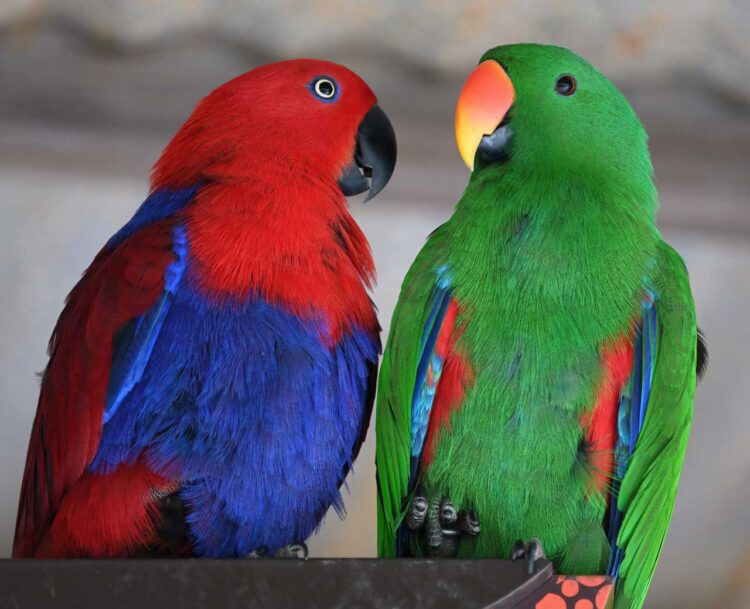
Eclectus parrots originate from the Solomon Islands, Papua New Guinea, and surrounding regions. Unlike most parrots, they exhibit extreme sexual dimorphism—males and females look like entirely different species.
Key traits include:
- Long digestive tract compared to other parrots
- Heightened sensitivity to synthetic vitamins
- Calm but observant temperament
- Strong routine preference
Understanding these differences is essential when learning Eclectus parrot species characteristics, as standard parrot care advice often does not apply.
Temperament and Emotional Profile
Eclectus parrots are intelligent, gentle, and emotionally aware. They are not typically hyperactive or demanding, but they do require consistent interaction and mental engagement.
Common temperament traits:
- Calm confidence
- Strong environmental awareness
- Deep bonding without clinginess
- Stress sensitivity when routines are disrupted
Housing and Environmental Requirements
Cage Size and Setup
Eclectus parrots need more than just space—they need an environment that supports emotional stability. A cage should allow:
- Full wing extension
- Climbing and stretching
- Multiple perch textures
Cage placement should provide:
- One solid wall behind the cage
- Natural daylight (not direct sun)
- Distance from constant noise or chaos
Avoid overcrowding the cage with toys. Eclectus parrots prefer order and can become stressed by visual clutter.
Daily Environment and Routine
Eclectus parrots thrive on predictability. Feeding, out-of-cage time, and rest periods should follow a consistent daily rhythm. Sudden changes can result in withdrawal or behavioral regression.
Nutrition: The Most Critical Aspect of Eclectus Care
Why Diet Is Different for Eclectus Parrots
Eclectus parrots process nutrients differently from other parrots. Diets high in synthetic vitamins or pellets can cause toe-tapping, wing flipping, or neurological stress.
A correct diet focuses on:
- Fresh vegetables as the foundation
- Limited fruit
- Minimal or no pellets
- Whole, natural foods
This makes Eclectus parrot dietary requirements one of the most important aspects of ownership.
Recommended Diet Composition
A healthy Eclectus diet includes:
- Leafy greens (kale, chard, dandelion greens)
- Orange and red vegetables (carrots, pumpkin, peppers)
- Legumes and sprouts
- Small amounts of whole grains
Seeds and nuts should be offered sparingly, primarily as enrichment.
Following Eclectus parrot fresh food diet principles supports digestion, feather quality, and emotional balance.
Feeding Schedule and Hygiene
Structured Feeding Routine
Most Eclectus parrots do best with:
- Morning fresh vegetable meals
- Midday light feeding or foraging
- Evening simple foods with reduced sugars
Remove fresh foods after a few hours to prevent spoilage.
Cleanliness and Food Safety
Because of their fresh-food-heavy diet, cleanliness is essential. Wash dishes daily and avoid leaving moist food overnight.
Social Interaction and Bonding
How Eclectus Parrots Bond
Eclectus parrots form strong but balanced bonds. They enjoy companionship but dislike excessive handling or forced affection.
Healthy bonding behaviors include:
- Voluntary interaction
- Calm vocal engagement
- Choosing proximity rather than clinging
This is central to bonding with an Eclectus parrot respectfully.
Family vs. Single-Person Homes
Eclectus parrots adapt well to families when interactions are calm and predictable. Inconsistent handling or overstimulation can cause emotional shutdown rather than aggression.
Understanding Eclectus Parrot Behavior
Reading Body Language
Eclectus parrots communicate subtly. Watch for:
- Eye pinning combined with stillness (overstimulation)
- Feather tightening (alertness)
- Turning away (need for space)
Respecting these signals prevents trust erosion.
Understanding Eclectus parrot behavior and communication helps owners respond early rather than reactively.
Vocal Behavior
Eclectus parrots are capable talkers but are not constant vocalizers. Speech develops best in emotionally secure, quiet environments.
Hormonal Behavior and Maturity
Seasonal and Maturity Changes
Hormonal behavior may include:
- Territorial tendencies
- Nest interest
- Increased vocalization
Females may become more assertive during hormonal periods. These behaviors are natural and manageable.
Managing Hormonal Balance
Best practices include:
- Avoiding nest-like spaces
- Maintaining consistent light cycles
- Limiting high-fat foods
This supports managing hormonal behavior in Eclectus parrots ethically and effectively.
Mental Stimulation and Enrichment
Preventing Boredom Without Overstimulation
Eclectus parrots enjoy problem-solving but dislike chaos. Ideal enrichment includes:
- Foraging trays
- Natural chew toys
- Gentle training sessions
Rotate enrichment gradually rather than frequently.
Supporting Eclectus parrot mental stimulation needs helps prevent stress-related behaviors.
Health Monitoring and Preventive Care
Recognizing Early Warning Signs
Behavioral changes often signal health concerns. Watch for:
- Reduced appetite
- Sudden silence
- Posture changes
Consult an avian veterinarian when changes persist.
Educational references such as avian nutrition research standards and ethical companion bird care guidelines help owners stay informed without misinformation.
Ethical Ownership and Long-Term Commitment
Lifespan and Responsibility
Eclectus parrots can live 30–50 years. Ownership requires long-term planning, stability, and ethical sourcing.
Responsible care includes:
- Legal, captive-bred sourcing
- Stable housing plans
- Emergency and succession planning
Understanding ethical Eclectus parrot ownership standards protects both the bird and the species.
Final Thoughts
The Eclectus parrot is not difficult—only specific. When their dietary, emotional, and environmental needs are respected, they become calm, trusting, and deeply engaging companions. This Complete Eclectus Parrot Care Guide emphasizes understanding over control and ethics over convenience.
Proper care does not require perfection—only consistency, respect, and informed decision-making.