
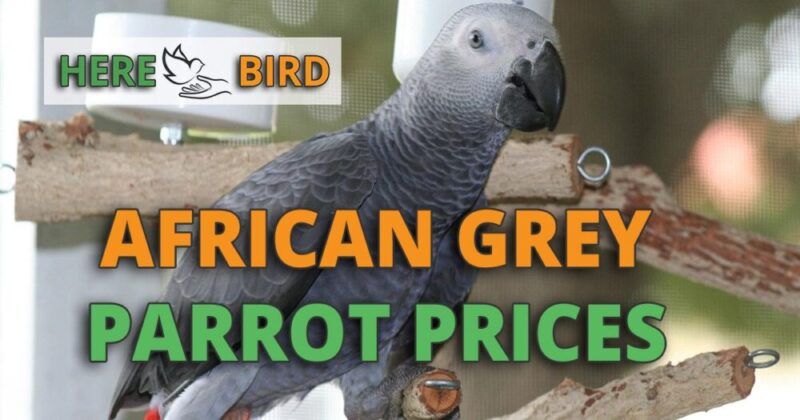

Congo African Grey Price Guide
Planning for a Congo African Grey is about responsible budgeting as much as responsible care. A well-raised, healthy bird can be one of the most rewarding companions life offers, but the financial component matters—not just up front, but across decades. This Congo African Grey price guide walks through realistic cost ranges, the factors that influence price, ethical buying considerations, and how early decisions affect long-term welfare. The goal is clear, honest information you can use to make a thoughtful, ethical investment rather than a rushed purchase.
Why a Price Guide Matters for Congo African Greys
Congo African Greys Are Long-Term Companions
These parrots often live 40 years or more when properly cared for. Unlike short-lived pets whose costs are mostly upfront, Congo African Greys accumulate expenses over time. From veterinary care to enrichment and housing, costs add up—and how you choose a bird initially strongly shapes those long-term expenses.
A Congo African Grey price guide helps you plan realistically rather than react emotionally.
Typical Price Ranges: What You Can Expect
The price of a Congo African Grey varies widely based on source, health history, documentation, and regional market demand. Below are typical ranges you might encounter in an ethical aviculture context.
Important note: These examples are frameworks—not fixed numbers. The real value is understanding what influences price and how to interpret it.
From Ethical Breeders
Reputable breeders who invest in health, socialization, and documentation usually charge the highest prices. Expected investment usually falls in these bands:
- Weaned Juveniles (basic handling): Moderate investment
- Handled Juveniles (social exposure): Mid-to-high investment
- Sexed, health-checked, behavior-assessed birds: Higher investment
Breeders who back their birds with clear documentation, return policies, and follow-up support will often appear more expensive—but they reduce risk significantly.
Pet Stores and Brokers
Pet stores sometimes price Congo African Greys at or above breeder prices, but with less transparency about:
- Parent lineage
- Early socialization
- Veterinary history
- DNA sexing
This makes store pricing unpredictable and sometimes riskier than breeder costs—even when the number looks similar.
Rescues and Rehoming
When available, Congo African Greys from rescues typically require a rehoming contribution, not a price based on market demand. These contributions help support ongoing care for other birds and are usually lower than breeder costs.
Rescues often also require an approval process—which is a good sign of ethical placement.
Key Factors That Determine Price
1. Breeder Reputation and Practices
Price usually reflects the time, expertise, and welfare investment a breeder places in each bird. Ethical breeders often spend months on:
- Nutrition
- Health screening
- Early human handling
- Flight-safe aviary exposure
Birds from responsible breeders cost more because their early life is better structured for long-term confidence and health.
2. Age and Development Stage
Age matters for several reasons:
- Very young chicks may be less expensive, but the timing of separation is critical for social development. Birds taken too early can have lifelong emotional issues.
- Weaned, independently eating juveniles with social handling command higher prices because they are more predictable companions.
Therefore, age interacts with price quality, not merely number.
3. Documentation and Health Screening
Birds with:
- DNA sex verification
- Veterinary health certificates
- Parasite screening
- Clear care history
Usually cost more—and they are often worth the investment because they reduce uncertainties later.
4. Sex and Future Breeding Plans
While sex itself does not reliably predict temperament or talking ability, it does affect breeding value and thus market price for individuals intended for breeding programs.
If you are not breeding, this factor should be secondary to care and socialization history.
5. Socialization and Handling History
Birds handled calmly and consistently from a young age—without forceful interaction—tend to show:
- Greater confidence
- Better emotional regulation
- Easier social integration
Socialized birds generally command higher prices because of the time investment involved.
Breakdown of Typical Costs You Should Expect
Below is a framework to help you think in categories rather than single numbers.
Upfront Acquisition Costs
- Base price of bird (varies by source and quality)
- Initial veterinary evaluation
- Transport or travel costs
- Starter supplies (cage, perches, bowls, toys)
These are one-time or early costs, but they set the foundation.
Housing and Care Essentials
A suitable environment is not optional:
- Spacious cage with variety of perches
- Play stand or safe out-of-cage area
- Enrichment toys (more on this in best toys for Congo African Greys)
- Grooming tools and safe cleaning supplies
Good housing prevents problems before they start.
Ongoing Annual Costs
- Nutrition (formulated diet + fresh vegetables)
- Annual vet wellness check
- Dental and beak/foot care as needed
- Environmental enrichments rotated through the year
Annual care prevents costly emergencies.
Why Price and Welfare Are Connected
Cheap Does Not Mean Value
A low price can be tempting, but red flags include:
- No health documentation
- Birds handled roughly or not at all
- Lack of social exposure
- Early separation from parents
- Unwillingness of seller to share background
These conditions often lead to:
- Withdrawal and fear
- Behavior challenges
- Greater long-term health costs
This is why the Congo African Grey price guide emphasizes welfare over bargain hunting.
High Price With No Transparency Is Also Risky
Conversely:
- Very high prices without documentation
- Vague information about care
- No return policy
Also merit scrutiny.
True value is curiosity plus documentation—not just price tag.
Common Buying Mistakes and How to Avoid Them
Mistake 1: Buying Based on Price Alone
Choosing solely on the lowest price often leads to:
- Emotional problems
- Higher future vet bills
- Difficulty bonding
Correction: Evaluate background, documentation, and breeder practices.
Mistake 2: Ignoring Interaction History
A bird may be healthy physically but poorly socialized emotionally. This often costs more in behavior support later.
Correction: Observe the bird’s comfort around calm caregivers before deciding.
Mistake 3: Assuming Pet Store Price Equals Value
Stores sometimes price birds without regard to care history. The sticker may look reasonable—or high—but the underlying investment seldom matches a responsible breeder’s.
Correction: Ask for documentation, feeding history, and socialization practices.
Questions to Ask Before Buying
Before deciding, consider asking the seller:
- What age is the bird, and how was it raised?
- Has DNA sexing been done?
- What health evaluations have been completed?
- What is the diet history?
- What socialization and handling has the bird received?
- Is there a return or support policy?
Answers to these questions often tell you far more than price alone.
Regional Variations: Why Prices Differ
Local Supply and Demand
In areas with few responsible breeders but high demand, prices tend to be higher. Conversely, regions with active aviculture communities may show more balanced pricing.
Understanding local trends helps you distinguish:
- Unusually high offers
- Unusually low offers
- Reasonable ranges based on competition and reputation
Value Over Time: Investing in a Healthy Companion
Price Is Not the Same as Cost
Cost = price paid today
Value = lifetime well-being of the bird
A moderately higher acquisition price from a responsible breeder often reduces long-term costs by lowering:
- Emergency health issues
- Behavior support challenges
- Rehoming or rehousing needs
Quality early care pays dividends over decades.
How to Budget Before You Buy
Think in categories and timelines:
Year 1
- Acquisition
- Veterinary check
- Housing setup
- Nutrition start-up
Years 2–10
- Routine care
- Nutrition
- Enrichment cycle
- Preventative vet care
Decades 2+
- Senior wellness adjustments
- Routine upgrades (cage, toys)
- Ongoing enrichment
Breaking costs into timelines helps avoid sticker shock.
Ethical Considerations Beyond Price
Avoid Illegal or Unsustainable Sources
Congo African Greys are protected under international wildlife agreements. Purchasing from unscrupulous sources contributes to harm.
Always insist on documentation and breeder transparency.
Rehoming Is Ethical Too
Adopting from a rescue or willing rehoming situation can be both humane and cost-balanced—provided you still evaluate health, socialization, and support structures.
Lower initial cost does not excuse lack of information.
Final Perspective: Price Reflects Investment, Not Status
A Congo African Grey is more than a purchase—it is a lifetime companion whose emotional and physical welfare depends on early decisions. The Congo African Grey price guide is not about high or low numbers; it’s about understanding what those numbers mean.
A higher price with documentation, care history, and transparent support often equals lower long-term cost and higher trust. A lower price without those factors often becomes expensive down the road.
Price is information.
Value is welfare.