
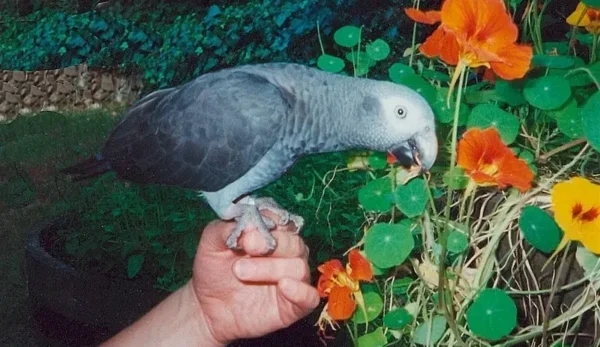

Congo African Grey Temperament
Understanding Congo African Grey temperament is essential for anyone considering this species as a companion. Congo African Greys are not “easy parrots,” nor are they unpredictable by nature. Instead, they are emotionally complex, highly perceptive, and deeply responsive birds whose behavior reflects the quality of care, structure, and emotional environment they are given.
This guide provides a clear, experience-based explanation of Congo African Grey temperament—how it develops, what traits are typical, how it differs from Timneh African Greys, and what kind of home environment allows this species to thrive long term.
The Core Nature of Congo African Grey Temperament
Emotionally Deep and Highly Aware
Congo African Greys possess one of the deepest emotional ranges among parrots. They are keen observers of:
- Human mood and tone
- Household routines
- Environmental consistency
As a result, their temperament is best described as emotionally reflective. Calm homes tend to produce calm Congos. Chaotic or inconsistent environments often lead to anxious or withdrawn behavior.
Therefore, Congo African Grey temperament is not fixed—it is shaped continuously by daily interaction.
Intelligence and Temperament Are Closely Linked
Thinking Before Reacting
Congos are deliberate thinkers. Rather than reacting impulsively, they often:
- Pause to assess situations
- Observe patterns over time
- Respond selectively
This thoughtful processing is often misinterpreted as stubbornness. In reality, it reflects advanced cognitive evaluation.
A Congo African Grey rarely reacts without reason.
Typical Personality Traits of Congo African Greys
Calm, But Not Passive
Many well-adjusted Congo African Greys display:
- Quiet confidence
- Controlled curiosity
- Calm presence
However, calmness does not mean inactivity. Congos are mentally busy birds that prefer meaningful engagement over constant stimulation.
Strong Emotional Bonds
Congo African Greys are known for forming intense attachments, often favoring one primary person. This bond can be profoundly rewarding, but it also requires careful management to avoid overdependence.
Balanced social exposure helps prevent jealousy and separation stress.
Sensitivity: A Defining Trait
Emotional Sensitivity to Change
One of the most defining aspects of Congo African Grey temperament is sensitivity. Congos often respond strongly to:
- Routine disruption
- Emotional tension
- Environmental instability
Rather than acting out immediately, they may internalize stress, which later appears as withdrawal, vocalization changes, or feather-focused behaviors.
Sensitivity is not weakness—it is heightened awareness.
Congo African Grey Temperament vs Timneh African Grey
Key Temperamental Differences
While both are African Greys, Congo and Timneh Greys differ emotionally.
Generally:
- Congos are more emotionally intense
- Timnehs are more emotionally steady
Congos feel deeper but require more structure. Timnehs often adapt more easily to change.
This difference is why Congos are often better suited to experienced or highly consistent owners.
Social Behavior With Humans
Affection on Their Terms
Congo African Greys enjoy interaction, but they prefer:
- Predictable contact
- Respect for boundaries
- Calm, unhurried engagement
Forced affection often leads to avoidance or mistrust. When respected, Congos offer deep, lasting companionship.
Reading Human Emotion
Many Congos adjust their behavior based on human mood. They may:
- Become quieter when tension is present
- Vocalize during emotional engagement
- Withdraw during conflict
This emotional mirroring is a hallmark of Congo African Grey temperament.
Social Behavior With Other Birds
Selective Social Tolerance
Congos are not universally social with other birds. Some coexist peacefully; others prefer solitary bonding with humans.
Compatibility depends on:
- Early exposure
- Space availability
- Individual personality
Forced cohabitation often increases stress.
Vocal Behavior and Temperament
Purposeful, Not Random
Congo African Greys vocalize with intent. Their sounds often reflect:
- Emotional state
- Desire for interaction
- Environmental response
Excessive noise usually signals unmet needs rather than a “loud personality.”
Understanding vocal context is essential to managing temperament.
How Environment Shapes Congo African Grey Temperament
Structure Creates Stability
Congos thrive in environments with:
- Predictable routines
- Calm energy
- Clear boundaries
- Adequate mental stimulation
Inconsistent schedules often lead to anxiety-related behaviors.
Overstimulation vs Understimulation
Both extremes negatively affect temperament. Congos need:
- Mental challenges
- Quiet rest periods
Balance supports emotional regulation.
Training and Temperament
Cooperative, Not Compliant
Congos respond best to training that:
- Is voluntary
- Uses trust-based reinforcement
- Respects refusal
They often understand commands quickly but choose whether to participate. This autonomy is part of their temperament, not defiance.
Common Misunderstandings About Congo African Grey Temperament
“They Are Naturally Aggressive”
False. Aggression usually reflects fear or mismanagement.
“They Are Too Sensitive”
Sensitivity is a trait that requires understanding, not avoidance.
“They Bond Too Strongly”
Strong bonds are healthy when balanced.
Long-Term Temperament Development
Maturity Brings Depth
As Congo African Greys mature, their temperament often becomes:
- More selective
- More emotionally nuanced
- More predictable
Well-raised adults are often calmer than juveniles.
Poor Early Care Leaves Lasting Impact
Early instability can lead to:
- Chronic anxiety
- Reduced trust
- Emotional withdrawal
However, improvement is possible with patience and consistency.
Who Is Best Suited for a Congo African Grey?
Congo African Greys are ideal for people who:
- Appreciate emotional depth
- Maintain structured routines
- Communicate calmly
- Respect autonomy
They are less suitable for:
- Chaotic households
- Impulsive owners
- Inconsistent schedules
Matching temperament to lifestyle is essential.
Final Perspective: Temperament Is a Relationship
The Congo African Grey temperament is not a preset personality—it is a dynamic reflection of environment, handling, and emotional climate. Owners who offer consistency, patience, and respect are often rewarded with a deeply bonded, emotionally intelligent companion.
Congos do not simply live with you.
They live with your emotions.