
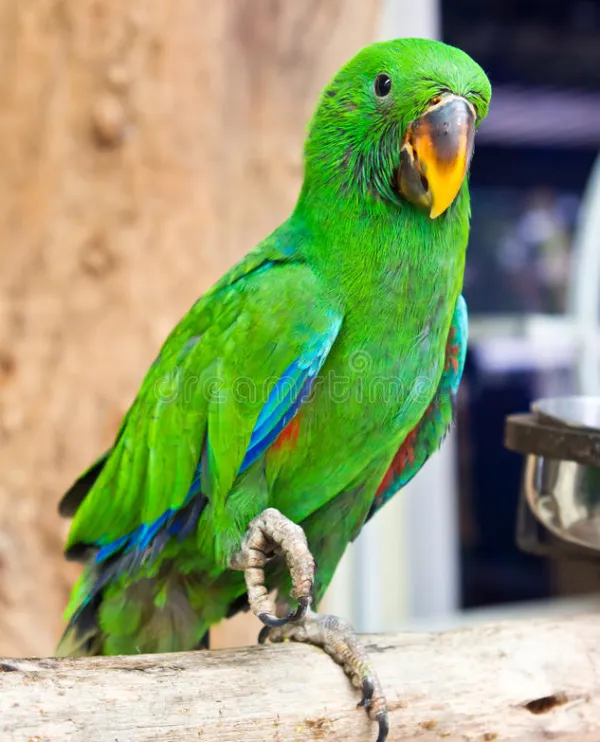

Eclectus Parrot Aggression Explained
Eclectus parrot aggression explained properly begins with one important truth: most aggression in Eclectus parrots is not a personality flaw. It is a communication breakdown. Eclectus parrots are naturally calm, observant, and emotionally intelligent birds. When aggression appears, it is almost always the final signal after earlier, subtler warnings were missed or misunderstood.
Unlike parrots that react impulsively, Eclectus parrots escalate slowly. By the time a bite, lunge, or defensive display occurs, the bird has usually been signaling discomfort for some time. This guide explains what aggression looks like in Eclectus parrots, why it happens, how it differs from other species, and how to address it ethically—without punishment, force, or fear.
What Aggression Means in Eclectus Parrots
Aggression Is a Last Resort Signal
Eclectus parrots do not seek conflict. Aggression appears only when a bird feels:
- Trapped
- Overstimulated
- Threatened
- Chronically stressed
In most cases, aggression is the bird’s way of saying “you didn’t hear me earlier.”
Understanding what aggression means in Eclectus parrots shifts the focus from correction to prevention.
How Eclectus Parrot Aggression Is Different From Other Parrots
Slow Escalation, Subtle Warnings
Many parrots give loud, obvious warnings before biting. Eclectus parrots often give quiet warnings:
- Leaning away
- Tightened feathers
- Stillness
- Eye pinning without sound
When these are ignored, the bird may escalate suddenly, surprising owners who believed the bird was “fine.”
This explains why Eclectus parrot aggression often seems sudden when it is actually gradual.
Aggression Is Usually Context-Specific
Eclectus parrots are rarely aggressive “all the time.” Aggression typically appears:
- Around the cage
- During hormonal periods
- When routines change
- With specific people
This pattern is a key diagnostic clue.
Common Causes of Aggression in Eclectus Parrots
Hormonal Triggers
Hormones are one of the most common causes of aggression, especially in females.
Hormonal aggression may include:
- Territorial defense of cage or space
- Lunging near dark areas
- Increased sensitivity to handling
This is a major part of hormonal aggression in Eclectus parrots and must be managed environmentally, not punished.
Diet-Related Aggression
Eclectus parrots are extremely sensitive to diet. Over-fortification, excessive fruit, seeds, or pellets can overstimulate the nervous system.
Diet-related aggression may present as:
- Irritability
- Lower bite threshold
- Restlessness
Correcting diet often reduces aggression significantly, supporting diet-based aggression management in Eclectus parrots.
Overstimulation and Handling Pressure
Eclectus parrots do not enjoy constant touching or forced interaction.
Aggression may arise when:
- A bird is handled too frequently
- Touch extends beyond head and neck
- The bird is not allowed to disengage
This is often misinterpreted as the bird “turning mean,” when it is actually enforcing boundaries.
Territorial Aggression
Cage-based aggression is common, especially during hormonal phases.
Triggers include:
- Hands entering the cage
- Rearranging the cage too often
- Approaching from above
This explains territorial aggression in Eclectus parrots, particularly in adult females.
Fear-Based Aggression
Fear aggression occurs when a bird feels cornered or overwhelmed.
Common triggers:
- Sudden movements
- Loud environments
- Unfamiliar people
- Forced step-ups
Fear-based aggression often disappears once the bird regains a sense of control.
Warning Signs Before Aggression Occurs
Early Body Language Signals
Before aggression, most Eclectus parrots show:
- Tight feathers
- Leaning away
- Turning head aside
- Eye pinning
Recognizing early warning signs of Eclectus parrot aggression prevents escalation.
Vocal Warnings
- Hissing
- Sharp, short calls
- Sudden silence
Silence, in particular, is often misunderstood and ignored.
Male vs Female Aggression Patterns
Female Eclectus Parrots
Females are more likely to show:
- Territorial aggression
- Cage guarding
- Nest-related defensiveness
This is rooted in natural nesting roles.
Understanding female Eclectus parrot aggression is essential for proper management.
Male Eclectus Parrots
Males may show:
- Defensive aggression when overstimulated
- Redirected frustration
- Protective behavior toward a bonded person
Male aggression is usually shorter-lived and easier to resolve.
What NOT to Do When an Eclectus Parrot Is Aggressive
Never Punish or Yell
Punishment:
- Increases fear
- Damages trust
- Escalates aggression
Aggression fueled by fear always worsens with force.
Do Not Force Interaction
Forcing step-ups or handling teaches the bird that communication is ignored.
Do Not “Test” the Bird
Repeatedly challenging boundaries often reinforces aggressive responses.
Ethical Ways to Reduce Aggression in Eclectus Parrots
Fix the Environment First
Address:
- Diet quality
- Light cycles
- Cage placement
- Overstimulation
Environmental changes reduce aggression more effectively than training alone.
This is central to ethical aggression management for Eclectus parrots.
Respect Choice and Distance
Allow the bird to:
- Move away
- Decline interaction
- Choose when to engage
Choice restores a sense of control and reduces defensiveness.
Adjust Handling Style
- Limit touching to head and neck
- Shorten interaction sessions
- End sessions before stress appears
Reinforce Calm Behavior
Reward:
- Relaxed posture
- Voluntary approach
- Calm step-ups
Ignore mild attention-seeking aggression rather than reacting emotionally.
How Long Does Aggression Last?
Aggression duration depends on cause:
- Hormonal aggression: weeks to months
- Diet-related aggression: often improves in weeks
- Fear-based aggression: improves quickly once safety is restored
Consistency shortens recovery time significantly.
When Aggression Signals a Medical Issue
Seek veterinary advice if aggression:
- Appears suddenly and intensely
- Is paired with weight loss or appetite changes
- Occurs alongside lethargy
Pain or illness can lower tolerance and increase aggression.
Understanding when aggression is a health warning protects long-term welfare.
Long-Term Prevention Strategies
Build Predictable Routines
Routine stabilizes emotions and reduces triggers.
Feed for Calm, Not Convenience
Fresh, balanced diets lower neurological overstimulation.
Observe, Don’t Assume
Aggression always has context. Patterns reveal causes.
Ethical Perspective on Aggression
Aggression Is Communication
Ethical care means listening, not dominating.
When Eclectus parrots feel heard:
- Aggression decreases
- Trust increases
- Behavior stabilizes
Understanding ethical interpretation of Eclectus parrot aggression transforms challenges into clarity.
Final Thoughts
Eclectus parrot aggression explained simply comes down to this: aggression is not the problem—it is the message. These parrots are not aggressive by nature. They are precise communicators who escalate only when subtle signals fail.
When owners address diet, environment, hormones, and handling style thoughtfully, aggression often fades or disappears entirely. With patience, observation, and ethical management, Eclectus parrots return to what they do best—being calm, intelligent, deeply connected companions.