
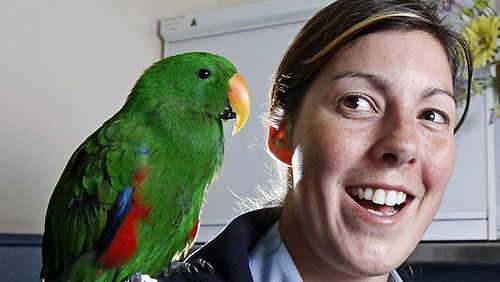

Understanding Eclectus Parrot Body Language
Understanding how Eclectus parrots communicate is one of the most important skills an owner can develop. Understanding Eclectus parrot body language & emotional signals allows you to respond appropriately before stress, fear, or frustration turns into long-term behavioral or health problems. Eclectus parrots are highly intelligent and emotionally aware birds, but they express themselves subtly. Unlike louder or more demonstrative parrot species, Eclectus parrots rely heavily on posture, feather positioning, eye movement, and quiet behavioral changes.
This guide explains how to read Eclectus parrot body language accurately, what different signals mean emotionally, and how to respond in a way that builds trust rather than fear. When owners learn to “listen with their eyes,” relationships become calmer, safer, and far more rewarding.
Why Body Language Matters in Eclectus Parrots
Behavior Is Communication, Not Misbehavior
Eclectus parrots do not act randomly. Every movement, posture change, or vocal shift communicates something about how they feel. When these signals are missed or misunderstood, birds may withdraw, become defensive, or develop stress-related behaviors.
Learning why Eclectus parrot body language is important helps owners:
- Prevent bites and fear responses
- Reduce chronic stress
- Strengthen trust and bonding
- Identify health or emotional issues early
Subtle Signals Require Careful Observation
Eclectus parrots evolved to conserve energy and avoid unnecessary confrontation. As a result, their warning signals are often quiet and progressive rather than dramatic. Owners who wait for obvious signs usually miss earlier, gentler cues.
The Eclectus Parrot’s Emotional Baseline
Calm and Observant by Nature
A relaxed Eclectus parrot typically appears:
- Upright but loose in posture
- Smooth-feathered without tension
- Quietly alert
- Interested but not hyper-focused
This calm attentiveness is the emotional baseline from which other signals deviate. Understanding normal Eclectus parrot behavior makes it much easier to spot stress or discomfort when it arises.
Feather Position and What It Means
Smooth, Relaxed Feathers
When feathers lie flat but not tight against the body, the bird feels safe and comfortable. This often occurs during quiet observation or gentle interaction.
This posture reflects relaxed Eclectus parrot body language.
Slightly Fluffed Feathers
Light fluffing, especially during rest, indicates comfort or temperature regulation. However, context matters.
If fluffing appears suddenly alongside stillness or avoidance, it may indicate stress rather than relaxation.
Tight, Sleek Feathers
Feathers pulled tightly against the body usually signal alertness or discomfort. The bird may be preparing to move away or defend personal space.
This is a common early warning sign that owners often overlook.
Sudden Full Fluff With Freezing
This combination often indicates fear. The bird may feel trapped or overwhelmed and is assessing whether escape is possible.
Understanding feather signals in Eclectus parrots helps prevent escalation.
Eye Signals: One of the Most Important Clues
Eye Pinning (Rapid Pupil Constriction and Expansion)
Eye pinning occurs when the pupil rapidly changes size. In Eclectus parrots, this usually indicates heightened emotional arousal.
Eye pinning may mean:
- Overstimulation
- Excitement
- Irritation
- Defensive readiness
Eye pinning combined with stillness, tight feathers, or leaning forward is a clear signal to pause interaction.
Recognizing eye pinning in Eclectus parrots is essential for bite prevention.
Posture and Body Orientation
Upright, Balanced Stance
An upright posture with evenly distributed weight indicates confidence and emotional balance.
Leaning Away
When an Eclectus parrot leans away from a person, hand, or object, it is asking for space. Ignoring this signal often leads to defensive reactions.
This behavior is a key part of respecting Eclectus parrot boundaries.
Leaning Forward With Stillness
This posture suggests tension. Combined with eye pinning or tight feathers, it often precedes a warning vocalization or lunge.
Lowered Body and Crouching
Crouching with lowered posture can indicate fear or uncertainty. The bird may be preparing to flee or freeze.
Beak and Head Signals
Gentle Beak Grinding
Soft beak grinding usually occurs during rest and indicates comfort and relaxation.
Beak Open Slightly Without Sound
A slightly open beak combined with tension often signals discomfort or warning. It is not an invitation to continue interaction.
Head Turning Away
Turning the head away is a polite refusal signal. Eclectus parrots use this to avoid confrontation.
Understanding Eclectus parrot warning signals helps owners respond respectfully rather than push interaction.
Vocalizations and Emotional Context
Soft Talking, Whistles, and Quiet Sounds
These sounds usually indicate contentment, curiosity, or social connection. Eclectus parrots often vocalize quietly when they feel secure.
Sudden Silence
Sudden silence in a normally vocal bird may indicate stress, illness, or emotional overload. Context and duration matter.
Sharp Calls or Hissing
Hissing is a clear boundary-setting signal. It means “stop” or “back away.” Respecting this sound prevents escalation.
Understanding Eclectus parrot vocal emotion cues is just as important as reading posture.
Stress Signals Unique to Eclectus Parrots
Withdrawal and Stillness
Eclectus parrots often respond to stress by becoming very still rather than acting out. This can be misinterpreted as calm behavior.
Common stress indicators include:
- Reduced movement
- Avoiding eye contact
- Turning away repeatedly
Recognizing stress signals in Eclectus parrots early prevents chronic emotional strain.
Over-Preening or Feather Focus
Excessive preening may signal anxiety or discomfort, especially if it appears suddenly or intensely.
Body Language During Bonding and Interaction
Voluntary Approach
When an Eclectus parrot chooses to move closer, step toward you, or remain nearby, it signals trust.
Stepping Up Willingly
A relaxed step-up without hesitation shows confidence and comfort. Forced stepping up breaks trust even if the bird complies.
Understanding bonding body language in Eclectus parrots helps build healthy relationships.
Reading Body Language Around Other Pets and People
Increased Vigilance
Around unfamiliar people or animals, Eclectus parrots may become very still and observant. This is normal.
Heightened Sensitivity
Repeated exposure without choice may cause stress accumulation. Watch closely for subtle warning signals.
How to Respond to Eclectus Parrot Body Language
Pause, Don’t Push
When warning signs appear:
- Stop interaction
- Increase distance
- Lower stimulation
This approach reinforces safety rather than dominance.
Reward Calm Communication
When your parrot signals discomfort and you respect it, trust deepens. Over time, the bird becomes more confident communicating needs clearly.
This reflects ethical interpretation of Eclectus parrot body language.
Common Mistakes Owners Make
Waiting for a Bite
Bites are the last signal, not the first. Many warnings come earlier.
Assuming Quiet Equals Happy
Silence and stillness can mean comfort—or stress. Always consider context.
Ignoring Subtle Signals
Eclectus parrots rely on subtlety. Missing small cues leads to big problems.
Ethical Communication and Emotional Respect
Listening Is Ethical Care
Ethical ownership means adapting human behavior to the bird’s communication style. Respecting body language is not optional—it is foundational.
Understanding ethical communication with Eclectus parrots protects emotional well-being and long-term trust.
Final Thoughts
Understanding Eclectus parrot body language & emotional signals transforms ownership from guesswork into communication. These parrots are not difficult or unpredictable—they are precise, quiet communicators who expect to be listened to.
When owners learn to observe feathers, posture, eyes, and movement together, they prevent fear, reduce stress, and create deeply trusting relationships. Body language is the Eclectus parrot’s first language. When you learn it, everything else becomes easier.