
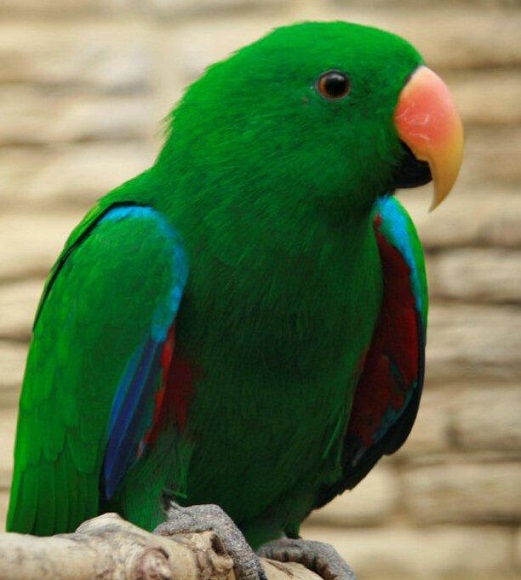

Eclectus Parrot Lifespan
The Eclectus parrot lifespan is one of the most important factors to understand before choosing this remarkable species. Eclectus parrots are not short-term companions. With proper care, they can share your life for several decades, forming deep bonds and evolving emotionally alongside their owners. However, longevity is never guaranteed by genetics alone. Daily care decisions play a far greater role than many people realize.
This guide explains how long Eclectus parrots live, what shortens or extends their lifespan, and how responsible ownership directly influences their long-term health and emotional well-being. Rather than offering idealized numbers, this article focuses on realistic expectations and ethical care practices that support a long, healthy life.
How Long Do Eclectus Parrots Live?
Average Lifespan in Captivity
In well-managed captive environments, Eclectus parrots typically live 30 to 50 years. Some individuals exceed this range, while others fall short due to preventable factors such as poor diet, chronic stress, or inadequate veterinary care.
Although wild Eclectus parrots face predators and environmental challenges that shorten lifespan, captivity removes many of those risks. At the same time, captivity introduces new risks that owners must actively manage.
Understanding average Eclectus parrot lifespan helps owners plan realistically for long-term responsibility.
Lifespan Is Not Automatic
Longevity does not come simply from good intentions. Instead, it develops from consistent, informed care over decades. Every stage of life—from juvenile to senior—requires thoughtful adjustments.
What Makes the Eclectus Parrot Lifespan Unique
Biological Factors That Influence Longevity
Eclectus parrots differ biologically from most companion parrots. Their longer digestive tract and sensitivity to synthetic vitamins directly affect health outcomes over time.
Because of this, Eclectus parrots respond poorly to:
- Pellet-heavy diets
- Artificial coloring and preservatives
- Excessive supplementation
These sensitivities explain why Eclectus parrot health and longevity depend so heavily on proper nutrition.
Emotional Stability and Lifespan
Emotional stress silently shortens lifespan. Chronic stress weakens immunity, disrupts digestion, and increases the likelihood of behavioral and physical decline. Calm routines and predictable environments significantly support longevity.
Diet and Its Direct Impact on Lifespan
Nutrition as the Foundation of Long Life
Diet is the single most influential factor affecting the Eclectus parrot lifespan. Unlike many parrots, Eclectus parrots thrive on diets dominated by fresh foods rather than processed pellets.
A longevity-supporting diet includes:
- Fresh vegetables as the primary component
- Limited fruit
- Sprouts and legumes
- Minimal seeds and nuts
Owners who commit to Eclectus parrot diet for long life consistently see better feather quality, stable behavior, and improved vitality over time.
Long-Term Effects of Poor Diet
Improper feeding often leads to gradual decline rather than sudden illness. Over time, issues such as vitamin toxicity, organ strain, and neurological stress reduce lifespan quietly.
Housing, Environment, and Daily Routine
Stable Environments Extend Lifespan
Eclectus parrots live longer in homes where routines remain predictable. Sudden changes in lighting, noise levels, or daily schedules increase stress and disrupt hormonal balance.
Helpful practices include:
- Consistent light cycles
- Predictable feeding times
- Calm household energy
These factors directly influence environmental factors affecting Eclectus lifespan.
Cage Size and Placement
Adequate space supports both physical and mental health. Eclectus parrots benefit from cages that allow full movement, stretching, and climbing. Placement should offer security without isolation.
Mental Health, Enrichment, and Aging
Why Mental Stimulation Matters Over Decades
Mental stagnation shortens lifespan just as effectively as poor nutrition. Eclectus parrots need gentle but consistent mental engagement.
Effective enrichment includes:
- Foraging opportunities
- Natural chew toys
- Calm training sessions
These activities support Eclectus parrot mental health and longevity by preventing boredom-related stress.
Avoiding Overstimulation
While enrichment is vital, overstimulation causes harm. Eclectus parrots prefer order over chaos. Gradual changes and simple enrichment work best long term.
Veterinary Care and Preventive Health
Routine Veterinary Support
Regular avian veterinary checkups extend lifespan by identifying problems early. Annual wellness exams often catch subtle issues before they become serious.
Preventive care includes:
- Weight monitoring
- Nutritional assessment
- Behavioral observation
Owners who prioritize preventive care for Eclectus parrots often avoid crises later in life.
Recognizing Early Warning Signs
Behavioral changes frequently appear before physical symptoms. Reduced vocalization, withdrawal, or posture changes should never be ignored.
Hormones, Stress, and Longevity
Hormonal Balance Across Life Stages
Hormonal cycles influence lifespan indirectly. Chronic hormonal stress weakens the immune system and increases aggression-related injuries.
Owners can support balance by:
- Avoiding nest-like spaces
- Controlling daylight exposure
- Limiting rich foods
These steps support managing hormonal stress in Eclectus parrots throughout adulthood.
Eclectus Parrot Lifespan by Life Stage
Juvenile and Young Adult Years
Early nutrition and socialization set the foundation for longevity. Birds raised on appropriate diets and calm routines adapt better to adulthood.
Prime Adult Years
During adulthood, consistency matters most. Stable care during these years often determines whether a parrot reaches senior age in good condition.
Senior Eclectus Parrots
Senior parrots may need:
- Softer foods
- Modified perches
- Closer health monitoring
Thoughtful adjustments help extend quality of life during later years, reinforcing senior Eclectus parrot care needs.
Common Lifespan Myths
“Eclectus Parrots Always Live 50 Years”
Not always. Lifespan varies widely depending on care quality, diet, and stress levels.
“Genetics Matter More Than Care”
Genetics matter, but daily care decisions matter more.
“Quiet Birds Are Healthy Birds”
Quietness can signal contentment—or hidden stress. Context always matters.
Ethical Ownership and Lifespan Responsibility
Planning for Decades, Not Years
Owning an Eclectus parrot means planning for life changes: relocation, career shifts, and aging caregivers. Ethical ownership includes contingency planning.
Understanding ethical Eclectus parrot lifetime commitment protects both the bird and the owner.
Choosing Responsible Sources
Birds raised with proper weaning, nutrition, and early socialization often live longer. Ethical breeding practices directly influence lifespan potential.
Final Thoughts
The Eclectus parrot lifespan reflects the quality of care provided, not luck or appearance. These parrots reward consistency, patience, and respect with decades of companionship. When owners commit to proper nutrition, stable environments, mental enrichment, and ethical responsibility, Eclectus parrots often enjoy long, healthy lives filled with calm connection.
Longevity is not achieved through shortcuts. It grows from daily decisions made with awareness and care.