
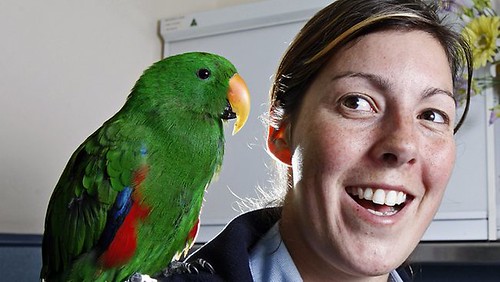

Eclectus Parrot Temperament Explained
Understanding Eclectus parrot temperament is essential before welcoming this species into your home. Eclectus parrots are often described as calm, intelligent, and emotionally aware, but those traits are frequently misunderstood or oversimplified. They are not passive parrots, nor are they demanding performers. Instead, their temperament reflects a unique blend of sensitivity, independence, and deep social awareness.
This Eclectus Parrot Temperament Explained guide is written for serious owners, breeders, and families who want an honest, experience-based understanding of how Eclectus parrots think, feel, and behave. When their temperament is respected, Eclectus parrots become exceptionally rewarding companions. When it is ignored, even well-meaning owners may struggle unnecessarily.
What Makes Eclectus Parrot Temperament Unique
A Temperament Shaped by Biology
Eclectus parrots are biologically different from most companion parrots. Their longer digestive system, heightened sensitivity to synthetic vitamins, and natural feeding rhythms influence not only health—but behavior.
Unlike parrots that thrive on constant stimulation, Eclectus parrots are designed for:
- Observing before reacting
- Maintaining emotional balance through routine
- Conserving energy rather than displaying it
These traits form the foundation of Eclectus parrot personality traits, setting them apart from Amazons, cockatoos, and macaws.
General Personality Traits of Eclectus Parrots
Calm but Highly Aware
Eclectus parrots are often calm in demeanor, but calm does not mean disengaged. They pay close attention to their environment, routines, and the emotional tone of their caregivers.
Common traits include:
- Quiet confidence
- Alert observation
- Low tolerance for chaos
- Strong response to emotional inconsistency
They notice small changes—voice tone, timing, body language—and respond accordingly.
Independent but Social
Eclectus parrots value companionship but dislike being smothered. They enjoy being near people, watching activities, and participating visually without needing constant physical interaction.
This balance is central to Eclectus parrot temperament in captivity.
Male vs Female Eclectus Parrot Temperament
Male Eclectus Parrot Temperament
Male Eclectus parrots are generally described as:
- More adaptable to change
- Social with multiple people
- Gentler in interaction
- Less territorially driven
They often adjust more easily to new environments and routine shifts, making them appealing for multi-person households.
Female Eclectus Parrot Temperament
Female Eclectus parrots tend to be:
- More assertive and confident
- Highly aware of territory
- Strongly bonded to chosen individuals
- Less tolerant of inconsistency
Females are not aggressive by nature, but they are decisive and clear about boundaries.
Understanding male vs female Eclectus parrot temperament differences prevents mislabeling confidence as misbehavior.
How Eclectus Parrots Bond With Humans
Bonding Through Choice, Not Force
Eclectus parrots bond best when allowed to choose interaction. Forced handling, excessive touching, or constant stimulation can lead to withdrawal rather than aggression.
Healthy bonding behaviors include:
- Voluntary approach
- Calm vocal engagement
- Choosing proximity without clinging
This approach supports bonding with an Eclectus parrot naturally and preserves trust long term.
One-Person vs Family Bonding
Eclectus parrots can bond with families, but they thrive best when interactions are predictable. Inconsistent handling by many people can cause emotional shutdown rather than aggression.
They prefer quality interaction over quantity.
Emotional Sensitivity and Stress Response
How Eclectus Parrots Show Stress
Eclectus parrots rarely “act out” dramatically. Stress often appears quietly, which is why it is frequently missed.
Signs include:
- Reduced vocalization
- Withdrawal or stillness
- Turning away from interaction
- Over-preening
These behaviors are often mistaken for calm temperament when they may signal emotional overload.
Recognizing stress signals in Eclectus parrots early prevents long-term issues.
Common Stress Triggers
- Chaotic environments
- Frequent routine changes
- Overhandling
- Improper diet
Diet-related stress is especially common and often overlooked.
Diet and Its Direct Impact on Temperament
Why Nutrition Affects Behavior
Eclectus parrots are extremely sensitive to dietary imbalance. Excessive pellets, artificial vitamins, or processed foods can directly affect mood and behavior.
Behavioral signs of dietary imbalance may include:
- Irritability
- Restlessness
- Withdrawal
- Neurological behaviors such as toe-tapping
Proper feeding is foundational to balanced Eclectus parrot temperament.
Vocal Behavior and Communication Style
Quiet, Purposeful Vocalization
Eclectus parrots are capable talkers, but they are not constant noise-makers. They vocalize with intent, not habit.
Their sounds often signal:
- Contact and reassurance
- Curiosity
- Environmental awareness
Excessive screaming usually indicates stress, boredom, or imbalance—not personality flaws.
Talking Ability and Temperament
Talking emerges naturally in emotionally secure environments. Eclectus parrots often use speech contextually rather than repetitively.
They respond best to calm, conversational interaction rather than performance-based training.
Hormonal Influence on Temperament
Seasonal Changes
Hormonal periods can influence temperament, especially in females. These changes may include:
- Increased territorial awareness
- Nest-seeking behavior
- Heightened sensitivity
These phases are normal and temporary when managed correctly.
Ethical Hormone Management
Best practices include:
- Avoiding nest-like spaces
- Maintaining consistent daylight cycles
- Limiting high-fat foods
This supports managing hormonal behavior in Eclectus parrots without force or punishment.
Eclectus Parrots in Different Home Environments
Calm Homes vs Busy Homes
Eclectus parrots thrive in calm, predictable households. They can adapt to family life, but constant noise, frequent visitors, or irregular schedules often cause stress.
They do best when:
- Daily routines are stable
- Interaction is intentional
- Environmental energy is controlled
Homes With Other Pets
Eclectus parrots may tolerate other pets when they feel secure and elevated, but they prefer observation over interaction. Physical contact with other animals should always be avoided.
Common Misconceptions About Eclectus Temperament
“They Are Too Quiet”
Quiet does not mean dull. Eclectus parrots are deeply engaged—they simply express themselves subtly.
“They Are Emotionless”
False. They are emotionally complex but restrained. Their depth appears through consistency, not theatrics.
“They Are Difficult Birds”
Eclectus parrots are not difficult—they are specific. When their needs are met, they are remarkably stable companions.
Ethical Interpretation of Eclectus Parrot Temperament
Respect Over Control
Ethical care means adapting human expectations to the bird’s nature rather than forcing behavior changes.
Eclectus parrots flourish when:
- Boundaries are respected
- Communication is observed
- Choices are honored
This approach reflects ethical Eclectus parrot behavior management.
Final Thoughts
Eclectus parrot temperament is best described as calm, observant, emotionally intelligent, and deeply responsive to care quality. They are not parrots that tolerate shortcuts or inconsistency—but they reward patience and respect with steady companionship and trust.
Understanding their temperament transforms ownership from management into partnership. When chosen thoughtfully and cared for ethically, Eclectus parrots become not just pets, but quietly profound companions.