
Feather Stress Bars in Eclectus Parrots
Feather stress bars in Eclectus parrots are one of the clearest visual indicators that something has gone wrong beneath the surface. These faint horizontal lines or weak points across feathers are not cosmetic flaws—they are biological records of stress. Each stress bar marks a moment when the body could not properly support feather growth due to physical, nutritional, or emotional strain.
Because Eclectus parrots are unusually sensitive to diet, environment, and routine, stress bars appear more readily in this species than in many other parrots. This makes them an important early warning system for attentive owners. This guide explains what stress bars are, why they occur in Eclectus parrots, how to tell new stress from old, and what ethical, practical steps prevent them from returning.
What Are Feather Stress Bars?
A Structural Weakness in the Feather
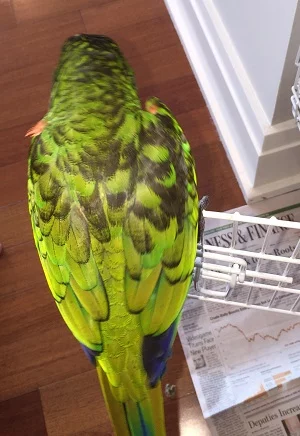
Stress bars (also called fault bars) appear as:
- Thin horizontal lines across feathers
- Slightly translucent or lighter bands
- Areas where feathers break or fray easily
They form while the feather is growing. Once a feather is fully grown, the stress bar becomes permanent until the next molt.
Understanding what feather stress bars mean in Eclectus parrots helps owners treat them as diagnostic clues rather than grooming issues.
Why Stress Bars Matter
Stress bars indicate that during feather formation, the parrot experienced:
- Nutritional interruption
- Illness or immune stress
- Hormonal imbalance
- Emotional or environmental stress
They often appear before more obvious health or behavior problems.
Why Eclectus Parrots Are Prone to Stress Bars
Sensitivity Amplifies Feather Response
Eclectus parrots have:
- Highly efficient nutrient absorption
- Sensitive nervous systems
- Strong reactions to routine disruption
Because of this, even short-term stressors can interrupt feather growth.
This explains why feather stress bars are common in Eclectus parrots compared to many other species.
Feather Growth Is Resource-Intensive
Growing feathers requires:
- Consistent protein
- Balanced minerals
- Stable hormone levels
- Low chronic stress
Any disruption during growth leaves a visible mark.
Common Causes of Feather Stress Bars in Eclectus Parrots
Nutritional Imbalance (Most Common Cause)
Diet is the leading factor.
Common nutritional triggers include:
- Overuse of fortified pellets
- Excess fruit and sugar
- Protein inconsistency
- Vitamin overload
Because Eclectus parrots are prone to vitamin sensitivity, even “good” commercial diets can cause problems.
This directly links feather stress bars and diet in Eclectus parrots.
Emotional or Environmental Stress
Stress bars often appear after:
- Rehoming or relocation
- Cage changes
- New household members
- Loud or unpredictable environments
Eclectus parrots internalize stress quietly, and feathers record it.
Illness or Immune Stress
Even mild illness during molt can disrupt feather formation.
Triggers may include:
- Digestive upset
- Minor infections
- Chronic low-grade stress
Feathers do not distinguish the cause—only the interruption.
Hormonal Imbalance
Extended hormonal periods increase metabolic demand and stress.
Hormonal triggers include:
- Excess daylight
- Nest-like spaces
- Rich or fatty foods
This explains the connection between hormones and feather stress bars in Eclectus parrots.
How to Identify Old vs New Stress Bars
Old Stress Bars
- Located on older feathers
- Appear uniformly across feathers from a previous molt
- Do not worsen over time
These indicate past issues that have already resolved.
New or Ongoing Stress Bars
- Appear on new feathers
- May worsen or repeat
- Often paired with behavior or appetite changes
New stress bars indicate current problems that still need addressing.
Understanding how to tell if stress bars are ongoing in Eclectus parrots helps prioritize action.
Where Stress Bars Appear Most Often
Common locations include:
- Wing flight feathers
- Tail feathers
- Large contour feathers
Breakage often occurs at the stress bar line because the feather shaft is weaker there.
Stress Bars vs Feather Plucking (Important Distinction)
Stress bars:
- Are structural
- Occur during growth
- Are not caused by chewing
Feather plucking:
- Is behavioral
- Happens after growth
- Leaves uneven or chewed edges
However, both often share the same root causes: stress, diet, and imbalance.
Understanding the difference between stress bars and feather damage prevents misdiagnosis.
What Stress Bars Are NOT
Stress bars are not:
- Normal aging
- Harmless cosmetic flaws
- Proof of poor grooming
They always indicate a disruption during feather growth.
How to Prevent Feather Stress Bars in Eclectus Parrots
Stabilize the Diet First
The single most effective prevention strategy is diet correction.
Focus on:
- Fresh vegetables as the foundation
- Sprouts and legumes
- Limited fruit
- Minimal or no fortified pellets
- No routine vitamin supplements
This supports preventing stress bars through proper Eclectus parrot nutrition.
Maintain a Predictable Routine
Feather health depends on stability.
Protect:
- Consistent feeding times
- Regular sleep schedule
- Stable cage placement
Routine reduces physiological stress during molt.
Reduce Environmental Stressors
- Avoid frequent cage rearranging
- Minimize loud or chaotic environments
- Introduce changes gradually
This is key to reducing environmental causes of stress bars in Eclectus parrots.
Manage Hormonal Triggers
- Limit daylight to 10–12 hours
- Remove nest-like spaces
- Avoid rich, warm foods
Balanced hormones support stable feather growth.
Supporting Feather Recovery After Stress Bars
What You Can—and Cannot—Fix
You cannot repair stress bars on existing feathers. They will remain until the next molt.
What you can do:
- Prevent new stress bars
- Support strong future feather growth
- Reduce breakage risk
Gentle Feather Care
- Provide regular bathing or misting
- Maintain appropriate humidity
- Avoid overhandling damaged feathers
Healthy skin supports better molts.
When Stress Bars Signal a Bigger Problem
Seek veterinary guidance if stress bars:
- Appear suddenly and repeatedly
- Are paired with weight loss
- Coincide with behavior changes
- Occur alongside feather loss
In these cases, stress bars may reflect systemic illness.
Understanding when stress bars indicate a health issue in Eclectus parrots protects long-term welfare.
Ethical Perspective on Feather Health
Feathers Reflect Care Quality
Feather condition is not about appearance—it reflects:
- Emotional safety
- Nutritional appropriateness
- Environmental stability
Ethical care means responding to feather signals, not ignoring them.
Understanding ethical responsibility when stress bars appear ensures problems are corrected, not repeated.
Final Thoughts
Feather stress bars in Eclectus parrots are one of the most honest indicators a bird can give. They tell a story of interruption—of stress the parrot endured quietly while the body tried to keep up.
The good news is that stress bars are preventable. When diet is corrected, routines stabilized, stress reduced, and hormonal triggers managed, future feathers often grow in strong and flawless. By listening to what feathers reveal, owners gain one of the most powerful tools for protecting the long-term health and emotional well-being of this sensitive, remarkable species.