
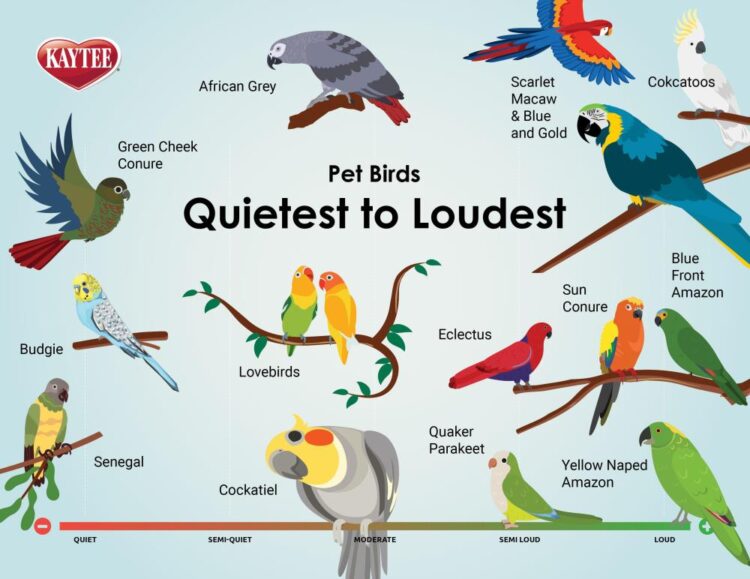

Gentle Parrot Species Guide
A gentle parrot species guide is essential for anyone seeking a calm, affectionate parrot with a stable temperament. Not all parrots are loud, demanding, or intense. Many species are naturally gentle, emotionally balanced, and well-suited for families, first-time owners, or homes that value peace and routine. Choosing the right species from the start dramatically reduces behavioral challenges and increases long-term success.
This guide explains what makes a parrot gentle, which species are known for calm behavior, and how environment and handling influence temperament. Understanding gentle parrot species is a core principle in ethical ownership and a key topic in responsible Parrot Care Guides.
What Makes a Parrot a “Gentle” Species?
Gentleness in parrots is not about silence or inactivity. A gentle parrot species typically shows:
- Low aggression and minimal reactivity
- Emotional stability
- Predictable behavior patterns
- Willingness to interact without dominance
- Ability to self-regulate excitement
While every individual bird is unique, certain species are genetically and behaviorally predisposed toward calmer temperaments.
A gentle parrot species guide helps match expectations with natural tendencies rather than forcing incompatible lifestyles.
Why Choosing a Gentle Parrot Species Matters
Many behavioral problems arise not from poor care, but from poor species matching. High-energy or emotionally intense parrots placed in quiet homes often develop frustration, screaming, or anxiety.
Choosing from gentle parrot species helps:
- Reduce stress for both bird and owner
- Improve bonding outcomes
- Lower the risk of rehoming
- Support emotional wellbeing
- Create predictable daily routines
These benefits are especially important for families and individuals exploring Parrots for Sale Worldwide, where lifestyle compatibility determines long-term success.
Gentle Parrot Species Known for Calm Temperament
Cockatiels – The Classic Gentle Companion
Cockatiels are among the most consistently gentle parrots. They are emotionally soft, people-oriented, and rarely aggressive.
Common traits:
- Affectionate without being clingy
- Soft vocalizations
- High tolerance for routine
- Excellent for beginners
Cockatiels respond well to predictable handling and gentle interaction, making them ideal for calm households.
Budgerigars (Budgies) – Gentle When Properly Socialized
Budgies are small but emotionally intelligent. When well-handled, they are playful, gentle, and socially adaptable.
Traits include:
- Light, non-intimidating behavior
- Quick emotional recovery
- Gentle beak pressure
- High curiosity without aggression
Their size makes them less physically demanding, though they still benefit from emotional awareness and structure.
Senegal Parrots – Calm and Observant
Senegal parrots are known for their steady personalities. They are affectionate but selective, forming deep bonds without excessive emotional dependence.
They typically show:
- Low noise levels
- Calm observation
- Predictable reactions
- Strong loyalty
They thrive in homes that respect boundaries and routine.
Pionus Parrots – Quiet and Emotionally Balanced
Pionus parrots are often recommended in any gentle parrot species guide due to their relaxed nature.
Key characteristics:
- Quiet vocal profile
- Minimal dramatic behavior
- Strong stress tolerance
- Gentle social interaction
Pionus parrots adapt well to apartment living and low-stimulus environments.
Poicephalus Species – Independent but Gentle
Many Poicephalus parrots (including Meyers and Red-bellied parrots) are naturally composed.
They are:
- Less emotionally demanding
- Comfortable with independent play
- Calm during handling
- Rarely aggressive when respected
Their balanced temperament makes them suitable for owners who value calm companionship over constant interaction.
Gentle Does Not Mean Emotionless
A common misconception is that gentle parrots lack personality. In reality, gentle species often show:
- Subtle emotional expression
- Deep trust-based bonding
- Quiet affection
- Observational intelligence
These parrots express affection in understated ways, a concept explored further in How Parrots Express Affection resources.
Environment’s Role in Gentle Behavior
Even the gentlest parrot species can develop problems if the environment is chaotic.
A supportive environment includes:
- Predictable routines
- Calm household energy
- Adequate sleep
- Consistent interaction
When environmental stress is minimized, natural gentleness flourishes. This aligns closely with principles explained in Setting a Daily Parrot Routine guides.
Training and Gentle Parrot Species
Gentle parrots respond exceptionally well to calm, reward-based interaction.
Training should focus on:
- Cooperation, not control
- Choice-based interaction
- Clear communication
- Emotional safety
Methods outlined in Positive Reinforcement Training for Parrots are particularly effective for gentle species, reinforcing confidence without overstimulation.
Gentle Parrots in Multi-Person Homes
Gentle species often adapt well to shared households when:
- Interaction is balanced
- One person does not dominate care
- Rules remain consistent
This reduces emotional confusion and supports healthy bonding patterns, especially relevant in discussions around Cockatoo Bonding, even though cockatoos themselves are not typically considered gentle beginner species.
Gentle Parrots and Noise Expectations
Gentle does not mean silent. All parrots vocalize.
However, gentle species tend to:
- Vocalize less frequently
- Use softer tones
- Communicate without prolonged screaming
Understanding vocal patterns alongside temperament is essential, which is why this topic connects closely to the Parrot Vocalization Guide.
Gentle Species for First-Time Owners
A gentle parrot species guide is especially valuable for beginners. First-time owners often benefit from parrots that:
- Forgive minor handling mistakes
- Adjust well to routine
- Show clear emotional signals
- Do not escalate quickly under stress
Cockatiels, Pionus parrots, and well-socialized budgies consistently rank high for first-time suitability.
Common Mistakes When Choosing Gentle Parrot Species
- Choosing based on appearance alone
- Ignoring adult temperament
- Assuming hand-raised equals gentle forever
- Overhandling calm parrots
- Expecting silence
Gentleness must be respected and supported, not tested.
Gentle Parrots and Long-Term Welfare
Parrots chosen for temperament compatibility experience:
- Lower chronic stress
- Fewer behavioral disorders
- Stronger human trust
- Better adaptability to change
Ethical aviaries and sellers offering Exotic Birds for Sale increasingly emphasize temperament education to ensure lasting placements and reduce surrender rates.
External Behavioral Insight
Avian behavioral research consistently shows that temperament compatibility is one of the strongest predictors of successful parrot ownership. Educational resources such as avian behavior research publications confirm that calmer species thrive best in structured, low-stress environments.