
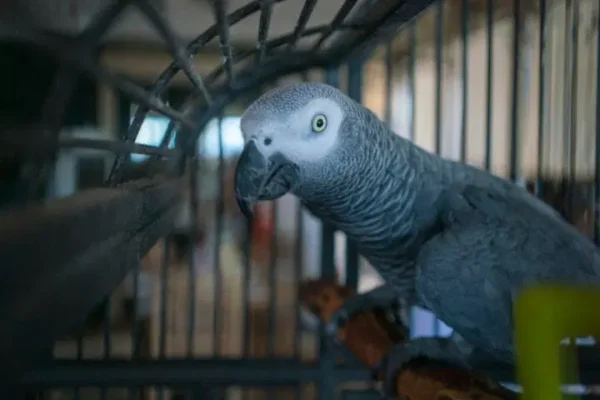

How Long Does It Take a Timneh African Grey to Talk?
Primary Keyphrase (proposed): how long does it take a Timneh African Grey to talk
One of the most common and emotionally loaded questions new owners ask is how long does it take a Timneh African Grey to talk. The expectation is often framed around weeks or months. However, speech development in Timneh African Greys does not follow a fixed schedule. Instead, it emerges from a combination of emotional security, environment, interaction style, and individual personality.
This article explains realistic timelines, why some Timnehs talk early while others take years, what actually encourages speech, and what mistakes often delay it. The goal is clarity, patience, and ethical understanding—not guarantees.
First, an Important Truth About Talking
Talking Is a Social Outcome, Not a Training Result
Timneh African Greys do not talk because they are drilled. They talk because they feel safe enough to communicate. Therefore, asking how long it takes can be misleading unless we first understand why parrots talk at all.
Speech in Timneh African Greys develops when:
- The bird feels emotionally secure
- The environment is predictable
- Words are associated with meaning
- Interaction is calm and pressure-free
Because of this, two Timnehs raised differently can show completely different timelines.
Typical Talking Timeline for Timneh African Greys
The Short Answer
Most Timneh African Greys begin speaking between 6 months and 2 years of age. However, this is a broad range—not a deadline.
Some speak earlier. Some much later. Some speak selectively for life.
Understanding how long does it take a Timneh African Grey to talk requires breaking this into stages.
Stage 1: Listening & Processing (0–6 Months After Weaning)
What’s Happening (Even If You Hear Nothing)
During this phase, many Timnehs appear quiet. However, internally they are:
- Listening intently
- Mapping sounds to contexts
- Learning tone and rhythm
- Observing human interaction patterns
Silence at this stage is normal and healthy.
Owners often worry here, but premature pressure is one of the biggest reasons speech is delayed.
Stage 2: Sound Experimentation (6–12 Months)
Early Vocal Play
Many Timneh African Greys begin experimenting with:
- Whistles
- Environmental sounds
- Soft mumbling
- Partial word fragments
These sounds may come and go. Importantly, they are not always repeated immediately.
This stage indicates cognitive readiness—not guaranteed imminent speech.
Stage 3: First Words or Phrases (9–24 Months)
When Speech Usually Appears
This is when most owners hear the first clear words. Often:
- Words appear suddenly
- Phrases are spoken in context
- The bird repeats something meaningful
Common first words include greetings, names, or routine-based phrases.
If you’re asking how long does it take a Timneh African Grey to talk, this is the phase most people expect—but it cannot be rushed.
Stage 4: Vocabulary Expansion (Adulthood)
Speech Becomes Intentional
Adult Timneh African Greys often:
- Speak selectively
- Use words appropriately
- Prefer meaningful communication over repetition
Some birds develop large vocabularies. Others remain minimalist communicators.
Both are normal.
Why Some Timneh African Greys Talk Faster Than Others
Emotional Security Is the Biggest Factor
Timneh African Greys that feel safe, respected, and unstressed talk sooner on average.
Conversely, birds experiencing:
- Frequent changes
- Forced handling
- Overstimulation
- Inconsistent routines
often delay or suppress speech.
This ties directly to Timneh African Grey temperament and emotional regulation.
Interaction Style Matters More Than Frequency
Talking constantly to a parrot does not guarantee speech. What matters is:
- Speaking naturally
- Using words in context
- Repeating phrases during routine moments
Calm repetition beats constant chatter.
Genetics and Individual Personality
Some Timnehs are naturally more vocal. Others are thoughtful and reserved.
A quiet bird is not less intelligent. Silence often reflects caution, not limitation.
Myths That Create Unrealistic Expectations
“If It Doesn’t Talk by One Year, It Never Will”
False. Many Timneh African Greys begin talking later and still develop excellent communication skills.
“Males Talk Faster Than Females”
False. Sex does not reliably predict talking speed or ability. This is addressed in male vs female Timneh African Grey comparisons.
“More Training = Faster Talking”
False. Pressure often delays speech.
What Helps a Timneh African Grey Talk (Ethically)
Build Routine-Based Language
Use words during predictable activities:
- Greetings in the morning
- Feeding phrases
- Calm bedtime cues
Context helps the bird understand why a word matters.
Maintain Emotional Calm
A relaxed Timneh is more likely to vocalize. Stress suppresses communication.
This is why understanding Timneh African Grey body language and behavior signs is critical.
Avoid Forcing Performance
Never demand speech. Avoid repeating words excessively or reacting dramatically when the bird vocalizes.
Excitement can create performance anxiety.
Why Some Timneh African Greys Choose Not to Talk Much
Talking is optional communication. Some Timnehs prefer:
- Body language
- Eye contact
- Quiet presence
These birds may still understand language deeply without vocalizing often.
Speech quantity does not equal intelligence or bond strength.
Long-Term Outcomes: Patience vs Pressure
With Patience
Owners who allow speech to develop naturally often experience:
- Clearer pronunciation
- Contextual use of words
- Long-term vocal confidence
With Pressure
Owners who push speech frequently encounter:
- Delayed talking
- Inconsistent vocalization
- Emotional withdrawal
Patience always wins.
Final Answer: How Long Does It Take a Timneh African Grey to Talk?
There is no fixed timeline.
Most Timneh African Greys begin speaking sometime between 6 months and 2 years, but some take longer—and some speak selectively for life.
What determines success is not time, but:
- Emotional safety
- Routine
- Respectful interaction
Talking is a gift, not a guarantee.