
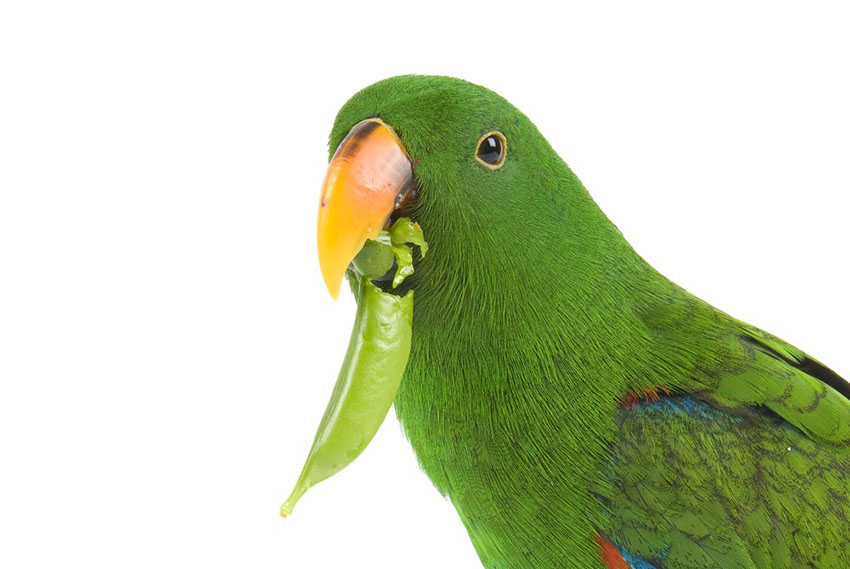

How Often Should You Feed an Eclectus Parrot?
One of the most common questions new and experienced owners ask is how often should you feed an Eclectus parrot. The answer is not as simple as “once” or “twice a day,” because Eclectus parrots are biologically different from most companion parrots. Their digestive system, nutrient absorption, and emotional regulation all depend on how frequently, when, and what they are fed.
This guide explains the ideal feeding frequency for Eclectus parrots, how meals should be spaced throughout the day, how feeding schedules change with age, and how routine feeding supports long-term health and emotional stability. The focus is practical, ethical, and realistic—designed for owners who want to get it right without overcomplicating daily care.
Why Feeding Frequency Matters for Eclectus Parrots
Feeding Is More Than Nutrition
For Eclectus parrots, feeding frequency directly affects:
- Digestion and nutrient absorption
- Hormonal balance
- Behavior and emotional stability
- Energy levels throughout the day
Because Eclectus parrots absorb nutrients efficiently, large infrequent meals can overload their system. Smaller, well-timed meals support both physical health and calm behavior.
Understanding why feeding frequency matters for Eclectus parrots helps prevent many diet-related issues before they start.
Eclectus Parrots Are Not “Free-Feed” Birds
Leaving food available all day, especially pellets or seeds, often leads to overeating, selective feeding, and nutritional imbalance. Structured feeding works far better for this species.
How Often Should You Feed an Eclectus Parrot Each Day?
The Ideal Daily Feeding Pattern
Most healthy adult Eclectus parrots do best with 2 to 3 structured feedings per day, rather than one large meal.
A well-balanced daily schedule typically includes:
- Morning feeding (main meal)
- Midday light feeding or foraging
- Evening light meal (optional)
This structure mirrors natural feeding rhythms and supports digestion.
This approach reflects Eclectus parrot feeding frequency best practices.
Morning Feeding: The Most Important Meal
Why Morning Feeding Matters Most
Morning is when Eclectus parrots are most active metabolically. Their digestive system processes fresh foods more efficiently early in the day.
A proper morning meal should include:
- Fresh vegetables
- Sprouts or legumes
- Small amounts of whole grains
Fresh food should be offered shortly after the bird wakes and removed after a few hours to maintain hygiene.
This forms the foundation of a healthy Eclectus parrot morning feeding routine.
What to Avoid in the Morning
Avoid high-sugar fruits or fatty foods first thing in the day, as these can cause energy spikes and hormonal imbalance.
Midday Feeding: Optional but Beneficial
Do Eclectus Parrots Need a Midday Meal?
A midday feeding is not always mandatory, but it is beneficial for many Eclectus parrots—especially those that are active or spend time out of the cage.
Midday feeding may include:
- Light vegetables
- Sprouts
- Foraging items
This meal should be smaller than the morning feeding and designed to encourage natural foraging rather than full eating.
This supports Eclectus parrot natural feeding rhythms without overstimulation.
Evening Feeding: Keep It Light
Should You Feed an Eclectus Parrot at Night?
Yes—but lightly. Evening meals should never be heavy or rich.
Appropriate evening options include:
- Simple vegetables
- Small portions of grains
- Minimal fruit (if any)
Heavy feeding late in the day can disrupt sleep and hormonal balance.
This approach supports Eclectus parrot evening feeding guidelines.
Feeding Frequency by Life Stage
Juvenile Eclectus Parrots
Young Eclectus parrots often require more frequent access to food as they grow and learn independence.
Recommended approach:
- 3 small meals per day
- Easy access to fresh foods
- Close monitoring of intake
Gradually transition juveniles to an adult schedule as they mature.
This supports feeding young Eclectus parrots properly.
Adult Eclectus Parrots
Healthy adults thrive on:
- 2–3 meals per day
- Consistent timing
- Predictable food types
Once a routine works, avoid unnecessary changes.
Senior Eclectus Parrots
Older parrots may benefit from:
- Smaller, more frequent meals
- Softer foods
- Adjusted portions
These changes help maintain weight and digestion, reinforcing senior Eclectus parrot feeding needs.
What About Pellets, Seeds, and Free Feeding?
Pellets
Many Eclectus parrots do not tolerate pellets well due to vitamin fortification. If pellets are used at all, they should:
- Be uncolored
- Offered in very limited amounts
- Never be free-fed
Seeds and Nuts
Seeds and nuts should never determine feeding frequency. They are treats, not meals.
Use them:
- For training
- As foraging rewards
- Occasionally and sparingly
Why Free Feeding Is Risky
Free feeding often leads to:
- Nutrient overload
- Obesity
- Hormonal imbalance
- Behavioral issues
Structured feeding is far safer for Eclectus parrots.
Feeding Schedule Example (Adult Eclectus Parrot)
Morning (7–9 AM)
Fresh vegetables, sprouts, grains
Midday (Optional, 1–3 PM)
Light vegetables or foraging items
Evening (5–7 PM)
Small portion of vegetables, minimal fruit
Remove uneaten fresh food within 3–4 hours.
This reflects a realistic Eclectus parrot daily feeding schedule.
Signs Your Feeding Frequency Needs Adjustment
Watch for:
- Weight gain or loss
- Hyperactivity or lethargy
- Increased hormonal behavior
- Food refusal
Feeding frequency should always be adjusted based on observation, not rigid rules.
Understanding how to adjust Eclectus parrot feeding frequency prevents long-term issues.
Common Feeding Frequency Mistakes
Feeding Once a Day
One large meal often overwhelms digestion and increases waste.
Feeding Too Often
Constant food access prevents natural hunger regulation.
Inconsistent Timing
Irregular schedules increase stress and confusion.
Ethical Feeding and Long-Term Responsibility
Feeding Is a Daily Commitment
Eclectus parrots can live 30–50 years. Feeding routines must be sustainable and consistent across decades.
Ethical feeding means:
- Respecting biological needs
- Avoiding convenience-based shortcuts
- Adapting as the bird ages
Understanding ethical feeding routines for Eclectus parrots supports lifelong health.
Final Thoughts
So, how often should you feed an Eclectus parrot? Most thrive on two to three structured meals per day, with the main focus on a fresh, vegetable-based morning feeding. Consistency, timing, and food quality matter more than quantity.
Feeding frequency is not about control—it is about balance. When meals are predictable and appropriate, Eclectus parrots respond with stable behavior, healthy digestion, and long-term vitality.