
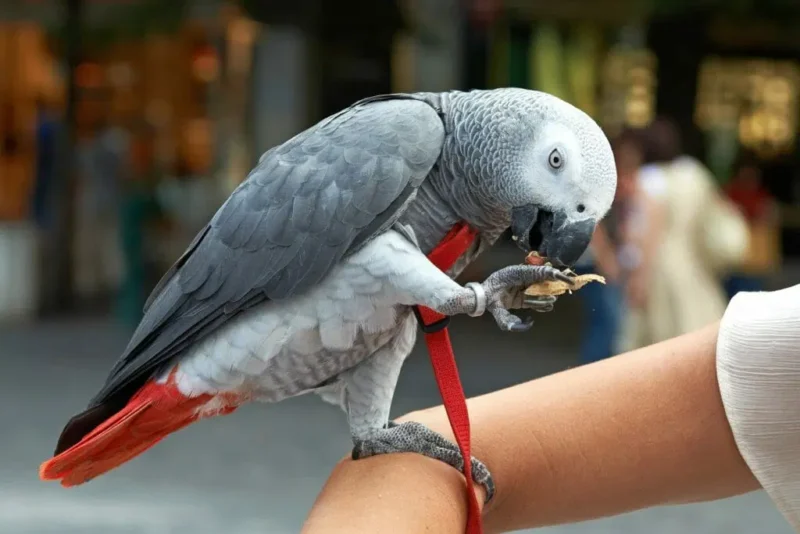

How to Choose a Healthy Congo African Grey
Learning how to choose a healthy Congo African Grey is one of the most important decisions you will ever make as a parrot owner or breeder. Health in this species is not limited to feathers and weight—it includes emotional stability, early development, behavior, and the environment the bird was raised in. Many problems seen years later begin at the point of purchase, when warning signs are misunderstood or ignored.
This guide explains how to evaluate a Congo African Grey comprehensively: physically, behaviorally, and ethically. The goal is not to rush a purchase, but to select a bird that can thrive for decades with proper care.
Why Choosing the Right Bird Matters So Much
Congo African Greys Are Lifetime Companions
Congo African Greys often live 40–60 years. A bird that appears “fine” at purchase but lacks proper early care may later develop:
- Chronic stress behaviors
- Poor immune resilience
- Emotional instability
- Long-term health issues
Understanding how to choose a healthy Congo African Grey protects both the bird’s welfare and your future experience.
Step 1: Start With the Source, Not the Bird
Ethical Source Is the First Health Indicator
Before assessing the individual bird, evaluate where it comes from. A healthy Congo African Grey is rarely produced by:
- High-volume sellers
- Poorly documented operations
- Sellers unwilling to answer questions
Responsible sources provide transparency, patience, and detailed records.
This aligns with principles discussed in Congo African Grey price guide and ethical acquisition planning.
Questions a Responsible Seller Should Welcome
Ask:
- How was the bird raised (parent-raised, assisted, hand-raised)?
- What age is the bird now?
- What diet has it been eating consistently?
- Has it had a veterinary health check?
- Is documentation available?
Hesitation or defensiveness is a red flag.
Step 2: Observe the Bird Before Any Interaction
First Impressions Matter—Quietly
A healthy Congo African Grey at rest typically shows:
- Upright but relaxed posture
- Smooth, well-aligned feathers
- Alert but not frantic awareness
- Calm breathing
Avoid judging health during moments of excitement or stress. Ask to observe the bird quietly for several minutes.
Step 3: Physical Signs of a Healthy Congo African Grey
Eyes, Beak, and Face
Healthy indicators include:
- Clear, bright eyes with no discharge
- Clean nostrils without crusting
- Smooth, intact beak without cracks or overgrowth
Cloudy eyes, excessive rubbing, or discharge may signal underlying issues.
Feathers and Skin Condition
A healthy bird generally has:
- Full feather coverage
- No bald patches or broken feathers
- Clean skin with no redness
Minor feather wear can be normal, but patchy loss or constant preening may indicate stress or health concerns.
This connects closely to common health problems in Congo African Greys awareness.
Body Condition and Balance
When perched, the bird should:
- Balance evenly
- Grip perches confidently
- Move without hesitation
Weak grip, frequent stumbling, or favoring one side may suggest developmental or health issues.
Step 4: Breathing, Droppings, and General Vitality
Subtle Signs Often Missed
Watch for:
- Silent, steady breathing
- No tail bobbing with breaths
- Clean vent area
Droppings should be well-formed with clear separation of feces, urates, and urine. Extreme changes may indicate digestive or systemic stress.
Step 5: Behavioral Health Is Just as Important
Calm Curiosity Over Fear or Frenzy
A healthy Congo African Grey typically shows:
- Curiosity without panic
- Willingness to observe new things
- Ability to settle after stimulation
Extreme fearfulness or hyperactivity often reflects early developmental stress.
Understanding Congo African Grey temperament helps interpret these signals correctly.
Response to Humans
The bird does not need to be “friendly,” but should show:
- Awareness of people
- Controlled responses
- No frantic escape attempts
A bird frozen in fear or aggressively reactive may have experienced improper handling.
Step 6: Age and Developmental Stage Considerations
Avoid Extremely Young or Rushed Birds
Birds offered too young may:
- Be improperly weaned
- Develop food insecurity
- Form unhealthy dependency
Ethical sellers will not rush placement. This is especially important given concerns discussed in hand-raising Congo African Grey chicks ethics.
Step 7: Documentation and Legal Health
Paperwork Is Part of Health
A healthy Congo African Grey should come with:
- Proof of legal origin
- CITES or equivalent documentation where required
- Clear ownership transfer records
Lack of documentation may signal illegal trade or unethical sourcing.
This overlaps with Congo African Grey legal requirements by country considerations.
Step 8: Diet History Tells a Story
Consistency Over Variety
Ask what the bird eats daily. A good sign includes:
- Balanced, stable diet
- Gradual transitions rather than sudden changes
- Familiarity with fresh foods
Extreme diet changes early in life often contribute to long-term feeding issues.
Step 9: Environment Matters More Than Appearance
Stress Masks Health Problems
A bird kept in:
- Crowded conditions
- Noisy, chaotic spaces
- Inconsistent routines
May appear “alert” but is often chronically stressed. Long-term stress increases risk of later health decline.
This relates directly to signs of stress in Congo African Greys.
Step 10: Trust Your Observations—Not Pressure
Never Buy on the Spot
Responsible sellers encourage:
- Follow-up questions
- Time to think
- Honest discussion
Pressure tactics often indicate underlying issues.
Choosing slowly is part of knowing how to choose a healthy Congo African Grey.
Common Mistakes Buyers Make
Mistake 1: Choosing Based on Talking or Color
Health and stability matter far more.
Mistake 2: Ignoring Behavior for Appearance
A calm bird with minor cosmetic flaws is often a better choice.
Mistake 3: Rushing Because of Availability
There will always be another bird. There is only one lifetime for the one you choose.
Long-Term Outcomes of Choosing Well
Owners who select carefully often experience:
- Easier bonding
- Fewer health emergencies
- Stable emotional behavior
- Reduced long-term costs
Early choices shape decades of life.
Final Perspective: Health Is a Whole Picture
Learning how to choose a healthy Congo African Grey means looking beyond feathers and into the bird’s history, environment, and emotional state. A truly healthy bird is one that feels secure, supported, and developmentally respected—not just one that looks good on the surface.
Patience protects birds.
Informed choices build lifelong success.