
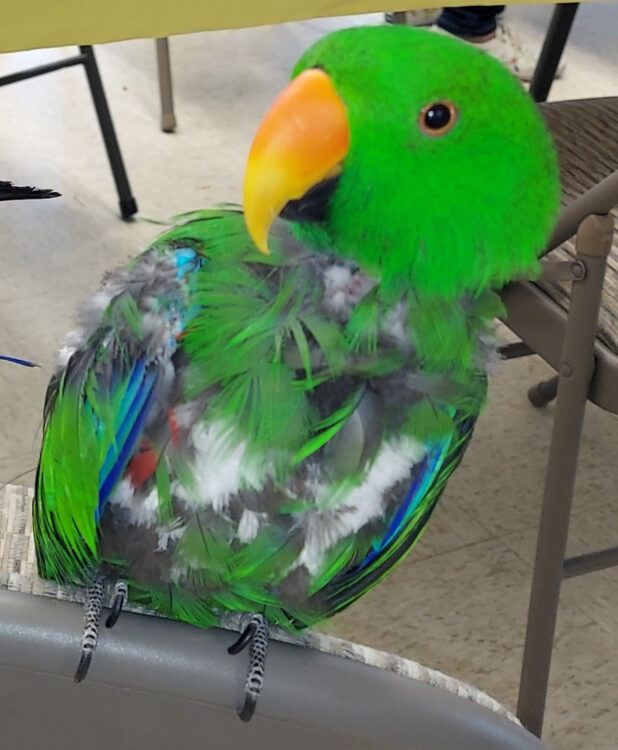

How to Tell If an Eclectus Parrot Is Sick
Knowing how to tell if an Eclectus parrot is sick can make the difference between a quick recovery and a serious health crisis. Eclectus parrots are masters at hiding illness. In the wild, showing weakness attracts predators, so these parrots evolved to suppress obvious symptoms. What owners see instead are quiet, subtle changes—often mistaken for mood, calmness, or routine variation.
Because Eclectus parrots are biologically sensitive, illness can progress quickly once it takes hold. This guide explains the earliest warning signs of sickness, how to separate normal behavior from red flags, and when to act immediately. Learning to spot small changes early is one of the most important skills an Eclectus owner can develop.
Why Illness Is Hard to Detect in Eclectus Parrots
Subtle Birds by Nature
Eclectus parrots are naturally calm and observant. When they feel unwell, they rarely scream, thrash, or show dramatic distress. Instead, they conserve energy and reduce interaction.
This means:
- Illness looks like “quiet behavior”
- Symptoms appear gradually
- By the time signs are obvious, the condition may already be advanced
Understanding why Eclectus parrots hide illness helps owners stop overlooking early clues.
Behavior Changes That Signal Illness
Unusual Stillness or Withdrawal
One of the earliest and most common signs of sickness is doing less.
Watch for:
- Sitting motionless for long periods
- Reduced interest in surroundings
- Turning away from interaction
- Choosing lower or hidden perches
This is often misread as a relaxed temperament, but it is a major red flag.
Recognizing withdrawal as a sickness sign in Eclectus parrots is critical.
Sudden Irritability or Aggression
Pain lowers tolerance. A normally gentle Eclectus parrot that becomes defensive, nippy, or irritable may be trying to protect a sore area or avoid handling.
Behavioral changes should always prompt a health check, not a training response.
Changes in Sleep Patterns
A sick parrot may:
- Sleep more during the day
- Appear drowsy or weak
- Tuck the head for extended periods outside normal rest times
Excessive sleep is never normal for a healthy Eclectus parrot.
Appetite and Eating Red Flags
Reduced Appetite or Selective Eating
Illness often affects digestion first.
Watch for:
- Eating less overall
- Picking only certain foods
- Dropping food repeatedly
- Refusing favorite items
Because Eclectus parrots are sensitive to diet, appetite changes are especially meaningful.
Understanding appetite changes as illness signs in Eclectus parrots helps owners act early.
Sudden Increase in Eating
In some cases, illness or nutritional imbalance may cause increased hunger or frantic eating, particularly with carbohydrate-rich foods.
Any dramatic change—up or down—deserves attention.
Droppings: One of the Most Important Clues
What Healthy Droppings Look Like
Normal droppings include:
- A formed fecal portion (green/brown depending on diet)
- White urates
- Clear urine
Consistency matters more than color.
Dropping Changes That Signal Illness
Red flags include:
- Persistent diarrhea
- Excessive liquid
- Very small or infrequent droppings
- Sudden color changes not explained by diet
- Strong or unusual odor
Monitoring droppings daily is one of the best ways to detect illness early.
Recognizing abnormal droppings in Eclectus parrots is essential.
Physical Signs of Illness
Fluffed Feathers Without Relaxation
Fluffing during sleep is normal. Fluffing while alert is not.
Persistent fluffing may indicate:
- Fever
- Pain
- Weakness
Changes in Posture
A sick Eclectus parrot may:
- Sit low on the perch
- Shift weight frequently
- Appear unbalanced
- Avoid climbing
Postural changes often precede obvious illness.
Weight Loss or Muscle Wasting
Because Eclectus parrots are often not very active, weight loss can go unnoticed.
Signs include:
- Prominent keel bone
- Reduced chest muscle
- Lighter feel when stepping up
Regular weighing is a powerful preventive tool.
Respiratory Warning Signs
Breathing Changes
Seek immediate veterinary help if you see:
- Open-mouth breathing
- Tail bobbing
- Audible clicking or wheezing
- Rapid or labored breathing
These are urgent signs of illness in Eclectus parrots and should never be watched at home.
Voice Changes
A sick parrot may:
- Vocalize less
- Sound hoarse
- Stop talking suddenly
Sudden silence in a normally vocal bird is a warning sign.
Feather and Skin Clues
Dull or Poor Feather Condition
Illness often affects feathers before it affects behavior.
Watch for:
- Dull appearance
- Stress bars forming during molt
- Increased feather breakage
Feather quality reflects internal health.
Excessive Scratching or Preening
While normal preening is healthy, sudden obsessive focus on one area may indicate discomfort or skin irritation.
Digestive and Metabolic Signs
Vomiting or Regurgitation (Not Feeding)
True vomiting is always abnormal and requires immediate attention.
Signs include:
- Wet feathers around the beak
- Head shaking with fluid release
- Sticky or sour smell
Weakness or Coordination Issues
Neurological or metabolic illness may cause:
- Tremors
- Toe tapping
- Wing flipping
- Poor coordination
These signs should never be ignored.
When “Stress” Is Actually Illness
Many illness signs are mistaken for stress or mood.
Illness often hides behind:
- Quiet behavior
- Reduced interaction
- Appetite changes
- Subtle posture shifts
Understanding the overlap between stress and sickness in Eclectus parrots helps prevent dangerous delays.
When to See an Avian Veterinarian Immediately
Do not wait if you observe:
- Breathing difficulty
- Severe lethargy
- Persistent vomiting or diarrhea
- Sudden weight loss
- Neurological signs
- A bird sitting fluffed and unresponsive
Eclectus parrots decline quickly once symptoms become obvious.
Preventive Monitoring at Home
Daily Observation Habits
Healthy owners notice illness early because they:
- Observe behavior daily
- Know normal routines
- Monitor appetite and droppings
- Respect subtle changes
This supports early illness detection in Eclectus parrots.
Weekly Weighing
Using a gram scale once per week can reveal illness before behavior changes appear.
Ethical Responsibility When Illness Is Suspected
Do Not “Wait and See”
Waiting often allows minor issues to become major ones. Eclectus parrots do not improve on their own when sick.
Ethical care means:
- Acting early
- Seeking professional advice
- Avoiding home diagnosis
Understanding ethical response to illness in Eclectus parrots protects life and welfare.
Common Mistakes Owners Make
Assuming Calm Means Healthy
Quiet behavior can mask serious illness.
Blaming Diet or Mood Alone
Diet changes may help, but they should never delay veterinary care.
Treating at Home Too Long
Birds need professional diagnosis—especially sensitive species like Eclectus parrots.
Final Thoughts
Learning how to tell if an Eclectus parrot is sick comes down to recognizing change. These parrots communicate illness quietly—through posture, appetite, droppings, and behavior rather than dramatic symptoms.
Owners who know their bird’s normal patterns and act quickly when something feels “off” save lives. When in doubt, trust your instincts and consult an avian veterinarian. With early detection and ethical care, most health issues can be addressed before they become emergencies.