
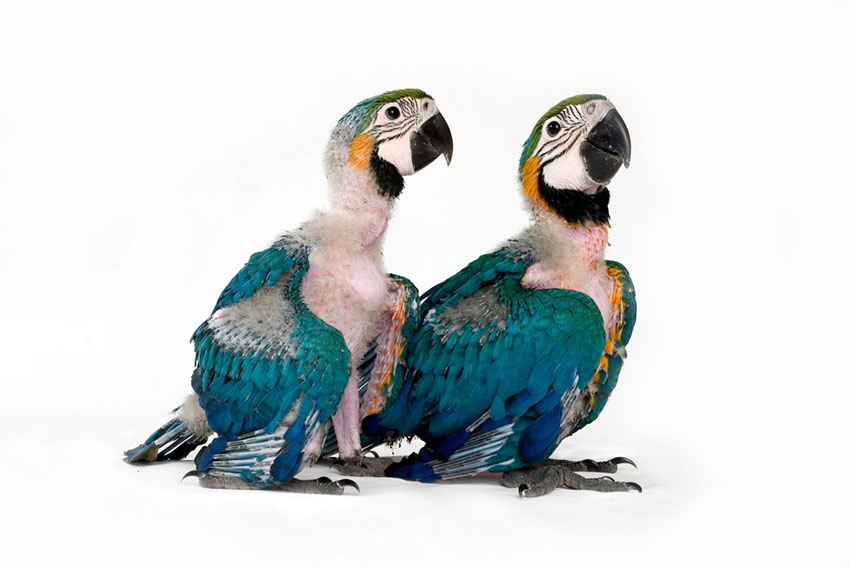

Juvenile Parrot Development Stages
Juvenile parrot development stages mark one of the most important and misunderstood periods in a parrot’s life. This phase bridges babyhood and adulthood, shaping confidence, emotional regulation, social behavior, and long-term temperament. During juvenile development, parrots test boundaries, explore independence, and learn how to interact safely with their environment. When these stages are supported correctly, parrots mature into stable, adaptable adults. However, when misunderstood, long-term behavioral issues often emerge.
This guide explains juvenile parrot development stages in clear detail, highlighting physical growth, emotional changes, social learning, and how caretakers can guide parrots through this critical period successfully.
Why Juvenile Parrot Development Stages Matter
Juvenile parrots are no longer fragile babies, yet they are far from emotionally mature adults. At this stage, learning accelerates rapidly, while impulse control remains limited.
Understanding juvenile parrot development stages helps to:
- Prevent fear-based aggression
- Reduce attention-seeking behaviors
- Support emotional independence
- Build long-term trust
- Avoid over-bonding issues
For this reason, professional Parrot Care Guides place strong emphasis on proper juvenile management.
Overview of Juvenile Parrot Development Stages
Juvenile development generally occurs after weaning and before sexual maturity. Although timelines vary by species, the emotional patterns remain consistent across parrots.
These stages include:
- Early juvenile transition
- Exploration and boundary testing
- Social learning and independence building
- Emotional regulation development
Each stage builds on the previous one and should never be rushed.
Early Juvenile Stage: Transition From Babyhood
Increased Independence
During the early juvenile stage, parrots begin relying less on caregivers for comfort and feeding. As a result, curiosity replaces constant reassurance.
At this point:
- Exploration increases
- Confidence grows slowly
- Emotional attachment begins to rebalance
Although independence emerges, structure remains essential.
Residual Baby Behaviors
Despite growing independence, some baby behaviors may still appear, especially during stress.
These behaviors may include:
- Begging vocalizations
- Seeking proximity during uncertainty
- Reduced confidence in new situations
Rather than discouraging these behaviors harshly, calm reassurance supports healthy transition.
Exploration Stage in Juvenile Parrot Development
Curiosity Drives Learning
Next, curiosity becomes the primary learning mechanism. Juvenile parrots investigate objects, people, sounds, and spaces.
During this stage:
- Beak exploration increases
- Climbing and movement expand
- Environmental awareness grows
Because of this curiosity, supervision and safety become critical.
Safe Risk-Taking
Although exploration is healthy, unsafe freedom can lead to fear or injury. Therefore, controlled exploration within predictable environments is best.
This balance aligns closely with principles found in Setting a Daily Parrot Routine.
Boundary-Testing Stage: A Normal Developmental Phase
Why Juvenile Parrots Test Limits
Boundary testing is not defiance—it is learning. Juvenile parrots explore how their actions influence outcomes.
Common behaviors include:
- Gentle nipping
- Refusing cues
- Vocal experimentation
When responses are consistent and calm, parrots learn boundaries without fear.
Responding Without Escalation
Instead of reacting emotionally, pause interaction briefly when boundaries are crossed. This teaches cause and effect without damaging trust.
This approach supports long-term emotional regulation and prevents aggression patterns.
Social Learning During Juvenile Parrot Development Stages
Learning Social Rules
Juvenile parrots observe reactions closely. Consequently, they learn:
- What gains attention
- What ends interaction
- What feels safe
Because parrots are social learners, predictable responses shape healthy behavior.
These dynamics connect strongly to Understanding Parrot Social Dynamics.
Multi-Person Exposure
Additionally, interaction with multiple people helps prevent fixation on one individual.
Shared caregiving:
- Builds adaptability
- Reduces dependency
- Encourages social balance
Balanced exposure supports emotional resilience.
Emotional Changes in Juvenile Parrots
Emotional Intensity Without Regulation
At this stage, parrots feel emotions strongly but struggle to regulate them.
As a result:
- Frustration escalates quickly
- Excitement turns into overstimulation
- Recovery from stress may take longer
Routine and calm guidance are the primary tools for emotional learning.
Developing Self-Soothing Skills
Over time, juveniles learn to self-soothe when caregivers allow brief, safe independence.
Encouraging short periods of solo play supports confidence and emotional control.
Body Language Awareness in Juvenile Parrots
Juvenile parrots communicate discomfort early through body language.
Common signals include:
- Feather tightening
- Leaning away
- Freezing
- Increased alert posture
Recognizing these cues early prevents fear-based escalation and aligns with Understanding Parrot Body Language.
Vocal Development During Juvenile Stages
Experimentation With Sound
Juvenile parrots test volume, pitch, and repetition. Therefore, vocal experimentation is expected.
However, emotional reinforcement of screaming can create habits that persist into adulthood.
Understanding motivation behind sound patterns is closely related to Understanding Parrot Vocal Behavior.
Encouraging Healthy Vocal Expression
Calm responses to vocalization teach parrots that communication does not require escalation.
Over time, vocal balance improves naturally.
Training and Juvenile Parrot Development Stages
Training as Emotional Education
Training during juvenile development should focus on confidence rather than performance.
Effective training:
- Builds trust
- Encourages cooperation
- Supports emotional regulation
Reward-based methods outlined in Positive Reinforcement Training for Parrots are ideal at this stage.
Keeping Sessions Short and Calm
Juvenile parrots fatigue emotionally faster than adults. For that reason, training should end before frustration appears.
Consistency matters more than duration.
Environmental Needs During Juvenile Development
Space to Explore Safely
Juvenile parrots need structured freedom.
This includes:
- Safe climbing areas
- Supervised out-of-cage time
- Calm environments
Overstimulating spaces can delay emotional regulation.
Balanced Enrichment
Toys should challenge curiosity without causing overstimulation.
Rotated enrichment supports learning while preventing frustration.
Common Challenges in Juvenile Parrot Development Stages
Fear Periods
Juvenile parrots may suddenly fear familiar objects or environments. Although this can be alarming, it is normal.
Avoid forcing interaction during fear phases. Instead, offer reassurance and stability.
Temporary Regression
Occasionally, juvenile parrots revert to earlier behaviors during stress or routine changes.
Maintaining consistency helps them move forward again.
Mistakes That Disrupt Juvenile Development
- Overhandling
- Inconsistent boundaries
- Emotional reactions to behavior
- Encouraging dependency
- Rushing maturity
Avoiding these mistakes protects long-term behavior.
Long-Term Outcomes of Healthy Juvenile Development
Parrots guided properly through juvenile development stages are more likely to:
- Self-regulate emotions
- Communicate clearly
- Adapt to change
- Form healthy bonds
- Avoid chronic behavioral problems
Ethical breeders and families offering Exotic Birds for Sale increasingly emphasize juvenile education to ensure lifelong success.
External Development Insight
Avian developmental research consistently shows that juvenile stages determine adult behavior stability. Educational sources such as avian behavior research publications highlight routine, social balance, and calm guidance as critical factors during this period.
Understanding juvenile parrot development stages is therefore essential for responsible care.