
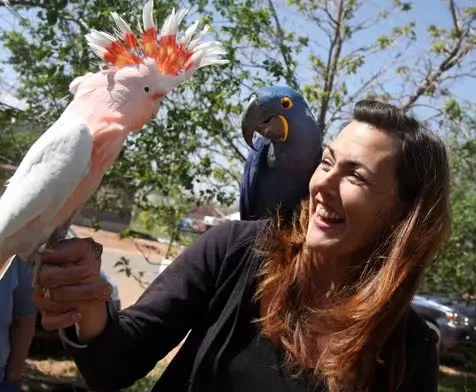

Major Mitchell Emotional Bonding
Major Mitchell emotional bonding is one of the most delicate and misunderstood aspects of caring for this rare and emotionally refined cockatoo. Also known as the Pink Cockatoo, Major Mitchell’s Cockatoos form bonds that are deep, selective, and highly sensitive to emotional quality. They do not bond through force, novelty, or constant handling. Instead, they choose relationships based on calm energy, predictability, respect for boundaries, and emotional intelligence.
This guide explains how Major Mitchell emotional bonding works, how these cockatoos choose trust, what healthy bonding looks like, common mistakes that damage attachment, and how to build a lifelong, emotionally balanced relationship without creating dependency or distress.
Why Major Mitchell Emotional Bonding Is Unique
Major Mitchell’s Cockatoos are not emotionally impulsive birds. Unlike some cockatoo species that bond quickly and intensely, Major Mitchells are measured, observant, and slow to attach.
Understanding Major Mitchell emotional bonding helps to:
- Prevent fear-based withdrawal
- Avoid over-bonding and separation anxiety
- Reduce stress-related behaviors
- Build trust without pressure
- Maintain long-term emotional stability
These principles are emphasized in advanced Parrot Care Guides because this species does not tolerate emotional mismanagement.
The Emotional Nature of Major Mitchell’s Cockatoos
Emotionally Refined, Not Emotionally Needy
Major Mitchell’s Cockatoos feel deeply, but they do not demand constant interaction.
They prefer:
- Calm presence
- Predictable routines
- Respectful distance
- Choice-based interaction
This emotional refinement is often mistaken for aloofness. In reality, it is discernment.
Trust Is Observed Before It Is Given
Before bonding, Major Mitchells observe:
- How you move
- How you speak
- How you respond to stress
- Whether you respect their signals
Bonding begins only after emotional safety is consistently proven.
How Major Mitchell Emotional Bonding Develops
Bonding Is Built Through Predictability
Major Mitchell emotional bonding strengthens when:
- Daily routines are stable
- Human behavior is consistent
- Emotional reactions are controlled
Unpredictability creates distance, not curiosity.
This is why structure plays such a central role, as explained in Setting a Daily Parrot Routine.
Calm Energy Is the Primary Bonding Currency
Major Mitchells are exceptionally sensitive to emotional tone.
They bond more readily with humans who:
- Move slowly
- Speak softly
- Avoid dramatic reactions
- Remain emotionally regulated
Excitement, urgency, or emotional volatility often delays bonding.
This sensitivity aligns closely with Understanding Cockatoo Emotions.
Body Language and Major Mitchell Emotional Bonding
Subtle Signals Matter
Major Mitchell’s Cockatoos communicate emotional comfort or discomfort subtly.
Watch for:
- Slight crest movement
- Body angling away
- Feather tension
- Pausing or freezing
These early signals must be respected to protect the bond.
Learning these cues is essential and connects directly to Understanding Parrot Body Language.
Crest Communication Plays a Central Role
Because Major Mitchells are crested parrots, crest signals are especially meaningful.
- Soft, partially raised crest = calm interest
- Rigid, fully raised crest = overstimulation or warning
- Flattened crest with tension = fear or withdrawal
Misreading crest signals is one of the fastest ways to damage trust.
Major Mitchell Emotional Bonding and Human Interaction
Less Physical Contact, More Emotional Safety
Unlike highly tactile cockatoos, Major Mitchells do not thrive on constant touch.
Healthy bonding includes:
- Calm proximity
- Shared quiet time
- Limited, respectful physical interaction
Forcing affection often results in emotional withdrawal rather than closeness.
Voice and Sound Matter More Than Touch
Major Mitchells respond strongly to tone.
They bond more readily with:
- Soft, steady voices
- Predictable verbal patterns
- Low-volume environments
This sensitivity ties closely to Understanding Parrot Vocal Behavior.
Training and Emotional Bonding in Major Mitchell’s Cockatoos
Training Builds Communication, Not Control
Training supports bonding when it:
- Is short and calm
- Ends before frustration
- Respects emotional state
Reward-based methods outlined in Positive Reinforcement Training for Parrots are essential for this species.
Emotional State Comes Before Performance
If emotional tension appears:
- Training must pause
- Interaction should soften
- Space should be offered
Pushing through stress damages trust quickly in Major Mitchells.
Social Preferences and Selective Attachment
Selective Bonding Is Normal
Major Mitchell’s Cockatoos often bond deeply with one or two emotionally compatible people, not everyone in the household.
This does not mean they dislike others—it reflects emotional selectivity.
Understanding this helps prevent jealousy and frustration in multi-person homes and aligns with Understanding Parrot Social Dynamics.
Preference Is Not Possession
Healthy emotional bonding does not involve:
- Clinging
- Panic during separation
- Aggression toward others
If these appear, bonding has crossed into dependency.
Major Mitchell Emotional Bonding vs Over-Bonding
Why Over-Bonding Is Dangerous
Over-bonding in Major Mitchells can lead to:
- Emotional shutdown
- Chronic stress
- Aggression during hormonal periods
This species does not tolerate emotional imbalance well.
Encouraging Healthy Independence
Balanced bonding includes:
- Independent play
- Calm alone time
- Non-exclusive interaction
This approach supports long-term stability and mirrors principles in Managing Bonded Parrots.
Environmental Factors That Affect Bonding
Quiet, Structured Environments Work Best
Major Mitchells bond best in environments that are:
- Low-noise
- Predictable
- Calmly social
Chaotic homes often result in emotional withdrawal rather than adaptation.
Routine Reduces Emotional Load
Predictable schedules reduce vigilance and support bonding.
Routine stability is especially important during seasonal or hormonal shifts.
Hormonal Periods and Emotional Bonding
During hormonal phases, Major Mitchells may:
- Reduce tolerance for interaction
- Seek more space
- Become emotionally guarded
During these times:
- Reduce handling
- Maintain routine
- Avoid stimulation
Respecting these cycles preserves trust.
Bonding With Juvenile vs Adult Major Mitchells
Juveniles
- More exploratory
- Emotionally flexible
- Still forming expectations
Juvenile bonding must avoid over-imprinting, a concept closely related to Raising Juvenile Exotic Parrots.
Adults
- More selective
- Slower to trust
- Deeply loyal once bonded
Adult bonds are harder to form—but extremely stable when earned.
Common Mistakes That Damage Major Mitchell Emotional Bonding
- Forcing interaction
- Overhandling
- Emotional reactions to avoidance
- Ignoring crest or posture signals
- Inconsistent routines
Most bonding failures occur because humans move faster than the bird.
Long-Term Outcomes of Healthy Major Mitchell Emotional Bonding
When bonding is handled correctly, Major Mitchell’s Cockatoos are more likely to:
- Remain emotionally calm
- Communicate clearly
- Show minimal aggression
- Maintain trust for decades
Because of this, ethical programs offering Exotic Birds for Sale increasingly educate owners about the emotional sensitivity of this species before placement.
External Emotional Insight
Avian behavioral research consistently identifies Major Mitchell’s Cockatoos as emotionally selective birds that rely heavily on predictability and calm social signals. Educational sources such as avian behavior research publications emphasize that restraint, emotional regulation, and respect for autonomy are essential for maintaining trust in sensitive cockatoo species.
Understanding Major Mitchell emotional bonding is therefore not optional—it is the foundation of ethical care.